AS 2419 Hydrant Fire Pump Design Guide
Designing a hydrant system is not about drama or special effects. It is about making sure water turns up fast, steady, and ready to fight fire every single time.
AS 2419 Fire Pump Design Guide for Hydrant Installations
When I design a fire system for a commercial or industrial site, I start with one rule: the water must arrive fast, steady, and ready to fight. That is where the AS 2419 hydrant design comes in. It shapes how I size the pump, plan the pipe work, and protect major buildings from fire spread. In plain terms, it tells me how to build a hydrant system that works when the pressure drops and the stakes rise. No hero music, just solid engineering that keeps people, stock, and property safer.
And yes, a fire pump may not sound glamorous. But neither does a seat belt, and we still love those.
What AS 2419 means for hydrant pump design
AS 2419 sets the baseline for fire hydrant systems in commercial and industrial properties. I use it to guide the pump flow, pressure, and system layout so the hydrants deliver the right water at the right time. If the system cannot meet demand, then the whole design loses its edge. So I begin by checking the site risk, building size, hose run lengths, and expected demand at the most remote outlet.
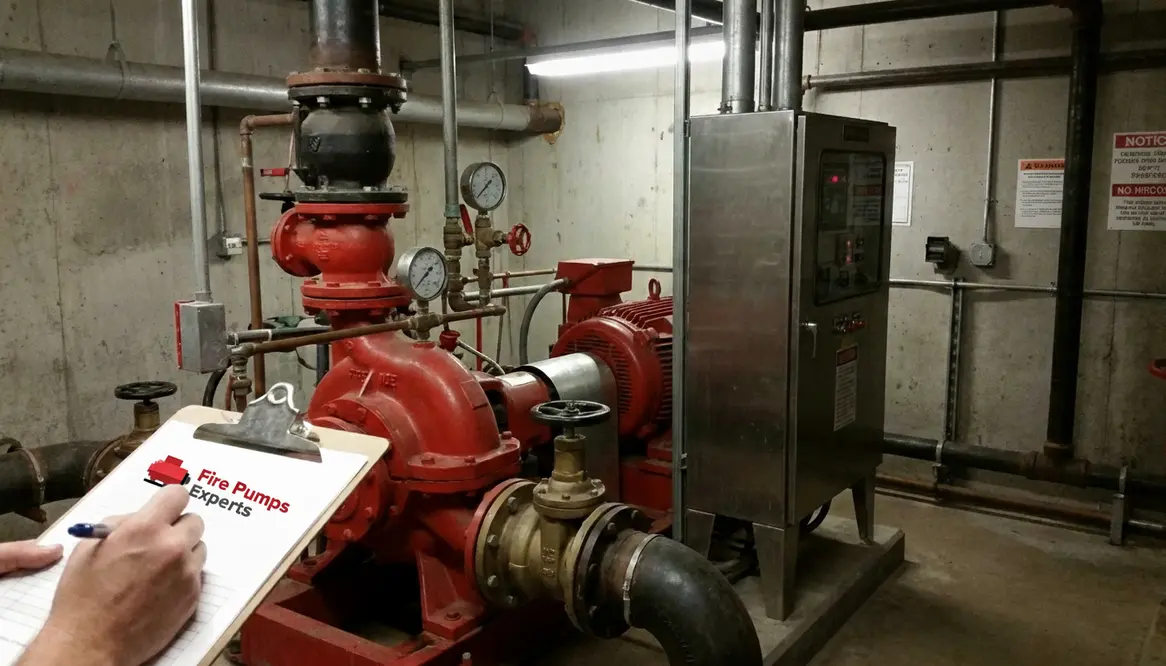
Because fire does not wait for a tidy plan, I also look at supply reliability. If the town main falls short, I may need a dedicated tank and pump set. That step matters a lot in large warehouses, factories, hospitals, and multi level buildings. In those sites, the pump is not an accessory. It is the engine room of the hydrant system and the backbone of any AS 2419 hydrant installation that needs serious water on call.
How I size the fire pump for a commercial site
I size the pump around the actual hydraulic demand, not wishful thinking. First, I work out the required flow and pressure at the worst point in the system. Then I account for friction loss in the pipe, valves, fittings, and elevation change. That is where many designs trip over their own shoelaces.
Here is the simple version of the checks I make when shaping an AS 2419 hydrant pump layout that will behave under pressure rather than panic when a fire starts.
Typical design checks I make
- Flow rate: I confirm the volume needed for simultaneous hydrant use.
- Pressure: I verify the pressure at the most remote hydrant outlet.
- Supply: I check whether the water source can keep up under fire conditions.
- Redundancy: I assess if backup power or an alternate pump path is needed.
I also make sure the pump curve matches the system curve. If those two do not play nicely together, the system can underperform or waste energy. Nobody wants a fire pump acting like it skipped math class.
For major properties, I often recommend a careful review of both the main pump and the jockey pump so the system stays pressurised without short cycling. When the AS 2419 hydrant rules are applied properly, the result is a calm, predictable system instead of one that behaves like it is guessing under load.
What pipe layout and hydrant spacing should I use
I treat pipe layout like the nervous system of the property. The hydrants must sit where fire crews can reach them fast, and the pipe network must support the pressure demands without heavy loss. AS 2419 pushes me to think about access, route, elevation, and coverage, not just a neat drawing on a screen.
When I plan the layout, I check the following:
- Hydrant positions for full building coverage
- Pipe sizes that limit friction loss
- Clear access for fire fighters and equipment
- Valve placement for isolation and maintenance
- Protection from damage in plant areas and vehicle zones
In large industrial sites, I often split the system into zones. That way, I can keep water moving well across long distances without forcing the pump to fight extra loss. It also helps when maintenance day arrives. And let us be honest, maintenance day always arrives, usually with a clipboard and a look of deep concern.
Why commissioning and testing matter on major properties
I never trust a hydrant design until I test it. Commissioning shows me whether the pump, valves, pipes, and hydrants work as one system. During testing, I confirm the pump starts properly, the pressure holds, and the flow reaches the required point. If I find a gap, I want to catch it before a fire does.
Key commissioning checks
- Start up time for the pump
- Pressure stability during flow
- Jockey pump performance
- Alarm and monitoring signals
- Access to the pump room and control gear
I always recommend regular inspections after handover. A hydrant system can age, valves can stick, and pumps can lose performance over time. That is why I like to point clients to the AS 2419 hydrant design guide as a practical reference point. It keeps everyone aligned on what the system should do and why it matters.
For more technical service support, I often suggest reviewing an AS 2419 hydrant system design service that focuses on large commercial assets and industrial sites, especially where the fire pump arrangement ties into broader water infrastructure.
How I keep the system reliable over time
Reliability does not come from luck. It comes from good design, good testing, and good upkeep. So I build systems with access in mind. I make sure technicians can reach valves, pumps, and test points without wrestling through a maze of stored goods or plant equipment. That simple choice saves time and avoids costly delays later.
I also think ahead about growth. If a property may expand, I want the design to allow room for future load or added coverage. That matters on industrial estates, distribution centres, and major buildings that tend to grow faster than the paperwork. A smart design today can save a full redesign tomorrow, which is a relief for everyone except the person who sells unnecessary rework.
When the AS 2419 hydrant criteria are embedded from the start, upgrades, pump replacements, or extra hydrant branches can be planned with less drama and a lot more confidence.
Frequently asked questions
Conclusion
If I want a hydrant system to perform when it matters most, I design it with care, test it with discipline, and maintain it with a steady hand. AS 2419 gives me the roadmap, but smart engineering brings it to life.
If your commercial or industrial property needs a hydrant system that stands up under pressure, now is the time to review the design, check the pump capacity, and make sure the system is ready for the real world. A well executed AS 2419 hydrant installation does not chase heroics; it simply works, every time, when the alarm sounds.