AS 2419 Fire Pump Requirements for Hydrant Systems
AS 2419 hydrant requirements matter because they help commercial and industrial buildings keep pressure where it counts, when it counts. And yes, that means the fire pump is not just a box in a plant room doing its best impression of a sleeping robot. It is the part that helps your hydrant system perform under real fire conditions. In this guide, I will walk through the key fire pump requirements in a clear way, with a practical focus on major properties, industrial sites, and commercial facilities.
I have seen plenty of fire protection topics drift into the land of dry policy talk. Not this one. AS 2419 sets expectations that make hydrant systems feel a lot less like paperwork and a lot more like real-world protection. The aim here is to keep things practical, readable, and focused on what actually happens when the system is needed, not just what is written in a standard.
What AS 2419 means for hydrant fire pumps
AS 2419 sets the rules for hydrant systems used in larger buildings and sites. At its core, it tells me how to build a system that can deliver water at the right pressure and flow during an emergency. The fire pump plays a central role, because it boosts water supply when the normal source cannot do the full job. That matters in large warehouses, factories, office towers, shopping centres, and similar properties where long pipe runs and high demand can cause pressure loss.
In simple terms, I look at the pump as the muscle of the system. The hydrant network may be there, but without enough water pressure, it is like sending Batman to battle with a flashlight. Useful, perhaps. Enough? Not even close.
Where AS 2419 hydrant rules really bite
The standard becomes especially important once you move beyond small, simple buildings. Long hose runs, tall structures, and high fire loads all expose weak hydrant design fast. AS 2419 hydrant criteria push you to think about valves, pressures, flows, and reliability as a single system, not as scattered pieces bolted together at the last minute.
If the pump is undersized, firefighters get a disappointing trickle when they expected a punch. If everything has been sized and tested to meet AS 2419, that same hydrant can deliver the force needed to back up a real response.
How I check fire pump sizing and supply needs
First, I check the site demand. AS 2419 requires the system to meet the water flow and pressure needed for the hydrants it serves. That means I do not guess. I assess the building size, height, risk level, pipe layout, and available water source.
Then I compare the expected demand with what the supply can provide. If the main water source cannot support the hydrants on its own, the pump must step in and make up the gap. This is where poor planning gets expensive. A pump that is too small will not support the system. A pump that is too large can waste energy and create design problems. So, I aim for the right fit, not the loudest machine in the room.
The four-step sizing checklist
- Step one
Measure the likely hydrant demand for the site. - Step two
Check the water supply pressure and flow from the source. - Step three
Select a pump that lifts the system to the required performance. - Step four
Confirm the pump works with the full hydrant layout, not just on paper.
Those steps sound simple, but they stop the classic guessing game where someone picks a pump that “looks about right.” Instead, I match AS 2419 hydrant duty points with real supply curves, friction losses, elevation changes, and likely fire scenarios. When done properly, the final pump selection feels less like a gamble and more like a measured decision.
What a compliant AS 2419 hydrant pump setup includes
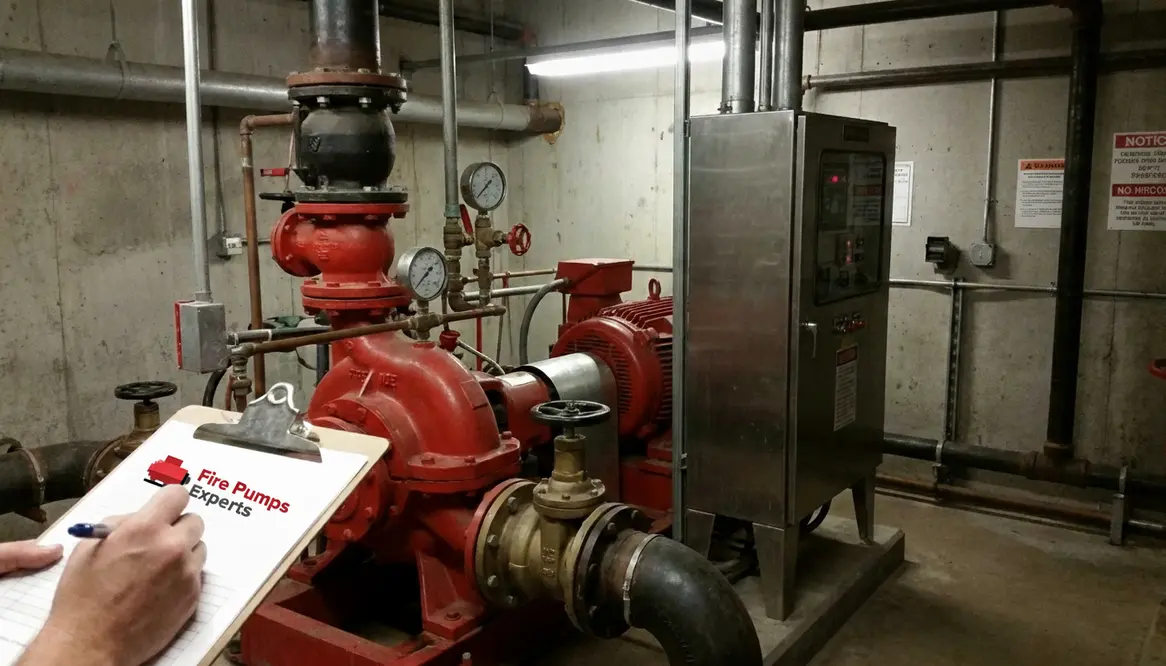
A proper pump setup needs more than a motor and a pipe. I look for the full support system around it, because the details decide whether the system will work smoothly in a fire event. That usually includes the pump itself, control equipment, suction and discharge pipework, valves, test lines, and the power source.
For commercial and industrial sites, reliability matters most. So, I pay close attention to several core features that keep the AS 2419 hydrant system predictable when everything else may be chaotic.
Key reliability features
- Automatic start so the pump responds quickly when pressure drops
- Stable water supply so the pump does not run dry or struggle at start up
- Correct control logic so the pump starts when the system needs it
- Proper test arrangements so I can verify performance without shutting everything down
- Protected power source so the pump stays ready during emergencies
And yes, the test setup matters. A pump you cannot test is like a pop star who only sounds good in the studio. The real performance is what counts. If testing means major disruption, people quietly stop doing it, and the day the system is actually needed becomes a very expensive surprise.
How I keep the system ready for real use
Installation is only half the story. After that, I focus on maintenance, testing, and access. AS 2419 expects the hydrant system to stay ready, not just look impressive in the drawings. That means the pump must remain easy to inspect, service, and test.
I always check for clear access around the plant room, proper labels, working gauges, and clean pipe runs. In addition, I review routine testing to confirm the pump starts at the right pressure and delivers the needed output. If a system sits untouched for years, trouble often shows up right when nobody has time for it. Fire protection has a funny way of doing that. Not funny ha ha. More funny in the “why now” sense.
Connecting the pump to the bigger fire strategy
For major properties, I also watch how the hydrant pump fits with the wider fire strategy. It should support the building’s risk profile, emergency response plans, and other fire safety systems. If the hydrant pump cannot work with the rest of the site, then the site does not have a strong defence. It just has separate parts wearing the same uniform.
This is where AS 2419 hydrant planning and real-world operations meet. Access for fire crews, signage, hydrant locations, and pump performance all need to line up so that when someone charges a hose, the system delivers the kind of reaction everyone expected in the design meetings.
When to get help with AS 2419 hydrant design
I recommend getting specialist support early when the site is large, complex, or has heavy fire risk. That includes industrial plants, high rise buildings, logistics centres, hospitals, and major commercial sites. These projects often have water supply limits, long pipe routes, or special site conditions that need proper design review.
If you want a deeper technical reference, I suggest reviewing AS 2419 hydrant system guidance for commercial fire pumps for a more detailed look at system design and compliance. That kind of support can save time, reduce risk, and help the building perform when it matters most.
A quick recap of when expert input helps
- Sites with limited or variable town main supplies
- High-rise or multi-building campuses sharing hydrant infrastructure
- Industrial operations with high fire loads or hazardous materials
- Retrofits where existing pipework must be reused or upgraded
- Any project where an AS 2419 hydrant system is central to the fire strategy
In these situations, a specialist can stop you from oversizing expensive equipment, missing subtle pressure losses, or discovering at commissioning that your hydrants fall just short of what AS 2419 actually demands.
FAQ
Conclusion
If you manage a commercial or industrial property, I suggest treating your AS 2419 hydrant fire pump as a core safety asset, not a background item. It must suit the site, meet the system demand, and stay ready through testing and maintenance. So, if you are planning a new build, a retrofit, or a system review, now is the time to get expert help and make sure your hydrant system can do its job with confidence.