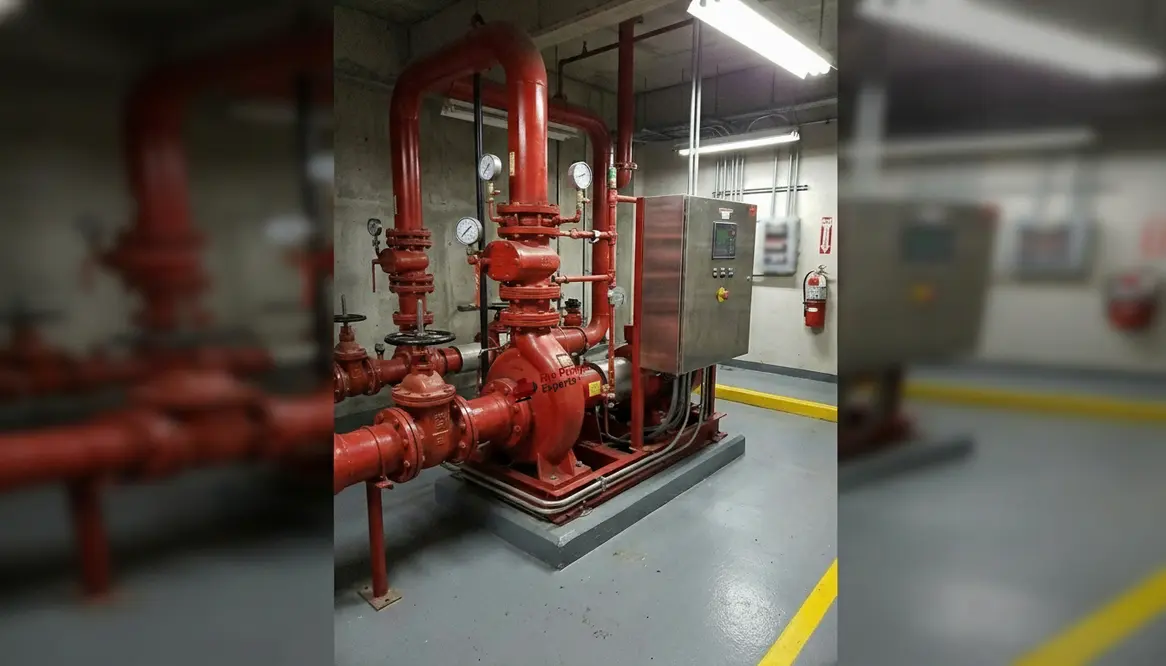
AS 2419 Fire Pump Requirements for Commercial Properties
A practical look at how AS 2419 commercial fire pump rules shape safer buildings, better systems, and fewer nasty surprises.
AS 2419 Fire Pump Requirements for Commercial Properties may sound like one of those rules people only notice when a fire inspector is already on the way. Still, I treat it as the backbone of a solid fire system for commercial and industrial buildings. In plain terms, this standard helps make sure a fire pump can deliver the water pressure and flow a building needs when every second counts. And yes, that matters a lot more than whatever is happening in the office fridge. In this guide, I break down the key points in a clear way so you can see what the standard expects, why it matters, and how I approach compliance for major properties.
What AS 2419 Means for Commercial Buildings
I look at AS 2419 as the rulebook for fire pumps that support sprinkler and hydrant systems in larger commercial sites. It tells me when a pump is needed, how it should perform, and how it should be installed. Because commercial properties often have more people, more equipment, and more risk, the system must do serious work without drama. No one wants a pump that acts like it is tired on a Monday morning.
In practice, the standard helps me confirm that the water supply alone can meet demand, or that a pump must step in to boost pressure and flow. Therefore, I always check the building size, the fire load, the site layout, and the system type before I move forward. If the property handles high occupancy or large floor areas, the pump design becomes even more important.
Why AS 2419 commercial details matter
AS 2419 commercial rules do not exist to make paperwork thicker. They set out how pumps, hydrants, and related equipment should be sized and arranged so they actually work when a real fire hits. For management teams, it means fewer arguments about “good enough” and a clearer benchmark for design, upgrades, and audits.
When the standard is used properly, it helps keep projects honest. Cut too many corners and the pump will complain the moment someone needs full flow. Follow the intent of AS 2419 commercial requirements and you end up with a system that does not just pass a test once but keeps delivering year after year.
Commercial fire pump requirements explained
When I work through commercial fire pump requirements, I focus on three things first: performance, reliability, and access. The pump must supply enough water at the right pressure for the system it supports. Also, it must start quickly and keep running when needed. That sounds simple, but the details decide whether the whole setup works or just looks good on paper.
Here is the practical breakdown I use:
- The pump must match the system demand under real fire conditions.
- The water source must support the expected load for the required duration.
- The pump room or plant area must allow safe access for testing and maintenance.
- The controls must work in a clear and dependable way.
- The installation must fit the building layout without cutting corners.
And because this is Australia, I also keep an eye on local site conditions. Heat, dust, corrosion, and limited space can all mess with performance if the design feels rushed. So, I never treat the pump as a lonely machine in a corner. I treat it as part of the full fire protection plan.
AS 2419 commercial pump design checklist
When I review AS 2419 commercial pump design, I use a simple checklist to keep the job grounded. First, I confirm the building’s fire protection needs. Then I check the water supply, the pump type, the control method, and the backup arrangement if needed. After that, I look at the room setup, ventilation, drainage, and access for ongoing service.
Key design areas at a glance
| Design area | What I check |
|---|---|
| Water supply | Can it provide enough flow and pressure? |
| Pump selection | Does it fit the system demand? |
| Controls | Will it start and keep running properly? |
| Room layout | Is the pump easy to reach and service? |
| Testing access | Can routine checks happen without hassle? |
This is where many sites go wrong. They focus only on the pump itself, but the whole setup matters. If the room overheats or access gets blocked, the system can fail at the worst possible time. And that is not the kind of surprise anyone wants, unless they enjoy stress, paperwork, and follow up reports.
How I handle installation and testing
I always treat installation as more than a box ticking exercise. The pump must sit in the right place, connect properly to the system, and work with the water source and controls. However, the real test comes during commissioning and ongoing checks. A pump that is never tested is like a superhero who never shows up for the third act.
So, I make sure the site team can access the equipment, carry out flow checks, and record results in a proper way. I also look for clear signs that the system can perform under pressure, not just during a calm day when nothing is happening. Testing should prove the pump can start, sustain output, and support the wider fire protection system when needed.
For more detail on national requirements and building fire system expectations, I often point people to official fire pump compliance guidance for commercial properties as a useful reference point when planning upgrades or new installs.
Why compliance matters for major properties
For major commercial and industrial facilities, compliance does more than satisfy an inspector. It protects people, property, operations, and reputation. It also helps reduce downtime, which can save a business far more than the upfront cost of doing things right. I have seen smart owners spend on proper design once and avoid years of expensive fixes later.
That said, compliance is not a one time event. Pumps age, buildings change, and water systems can drift from their original performance. So, I always recommend regular review, testing, and maintenance. If the building use changes, the fire system may need an update too. A warehouse today may not be the same warehouse after a fit out, expansion, or equipment change.
Practical questions about AS 2419 commercial fire pumps
Need help with AS 2419 commercial fire pump requirements?
Need help with AS 2419 commercial fire pump requirements for your property? I can help you assess the building, review the system, and plan the right path forward. If you manage a commercial or industrial site, now is the time to check whether your fire pump setup truly matches the building’s risk. Reach out, and I will help you make the system clear, compliant, and ready to perform when it counts.