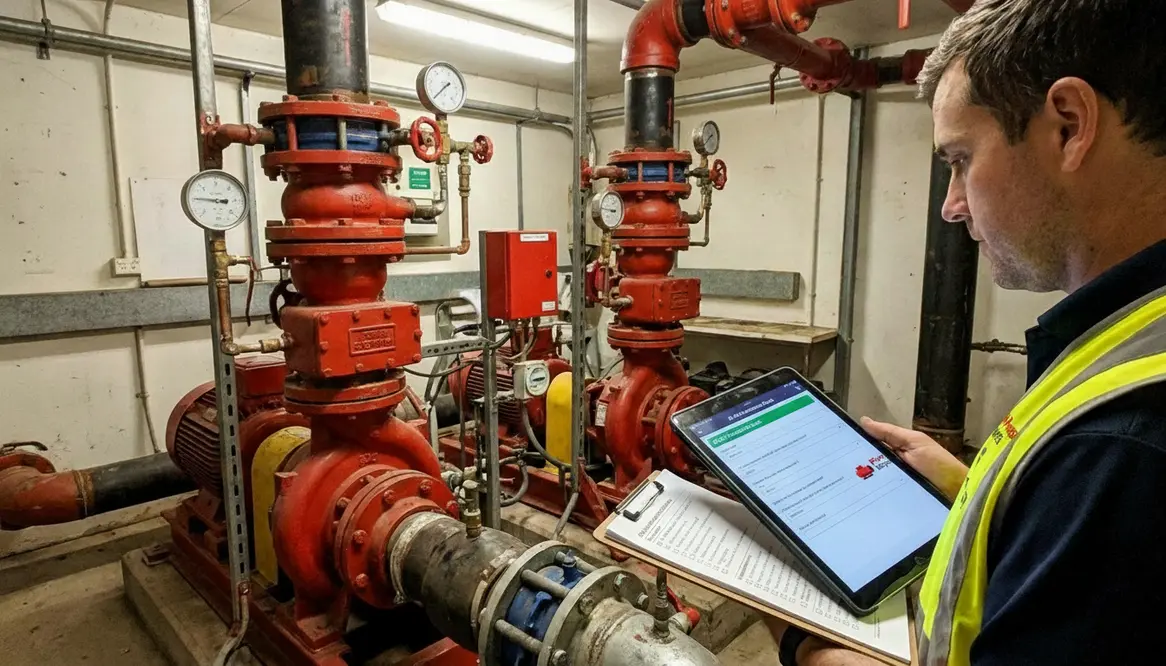
AS 2419 Fire Pump Compliance Guide for Owners
AS 2419 Fire Pump Compliance for Building Owners: What I Check, Why It Matters, and How I Stay Ahead
When I deal with AS 2419 compliance, I am not just looking at a pump sitting in a plant room and hoping for the best. I am protecting a commercial or industrial building, and I am helping make sure the fire system can do its job when the pressure is on, quite literally. For building owners, this is not the kind of issue you want to “circle back on later.” Fire pumps sit at the heart of fire protection, and if they fail, everything downstream starts to wobble like a chair with one short leg.
That is why I treat this subject with real care. I focus on what owners need to know, what inspectors look for, and how I keep systems ready without turning the process into a full time soap opera. Let’s walk through it in plain English.
What AS 2419 compliance means for my building
I use AS 2419 compliance to check that the fire pump system meets the required Australian standard for fire hydrant installations. In simple terms, I want the pump, controls, water supply, valves, and alarms to work together under pressure. If one part slips, the whole system can lose strength. That is not drama. That is math.
For a building owner, this standard matters because it supports safe operation, legal duty, and smoother inspections. Moreover, it helps reduce risk during an emergency. I always remind owners that a fire pump is not a “set and forget” item. It needs routine checks, good records, and proper testing. Otherwise, it can sit there looking heroic while quietly becoming useless.
How I check fire pump systems in commercial buildings
When I review a fire pump setup, I start with the basics and then move deeper. First, I confirm the pump type and installation match the building use. Next, I look at power supply, duty and standby arrangements, and the condition of the pump room. After that, I check whether the pump starts when it should and whether it can deliver the right flow and pressure.
Here is the short version of what I usually look at:
Fire pump inspection points
First column
- Plant room access
- Pump condition
- Controller status
- Fuel or power supply
- Valves and pipework
Second column
- Battery health
- Alarm signals
- Test results
- Service records
- Visible leaks or damage
Then I test the system under real conditions, because a fire pump should not only look good on paper. It should perform when the system demands it. Also, I check for signs of wear, noise, heat, vibration, and poor maintenance. A humming pump with issues can be as misleading as a movie trailer that gives away all the best scenes.
What building owners need to document for AS 2419 compliance
I always tell owners that paperwork is not just paperwork. It is proof. If you cannot show that a system has been serviced, tested, and fixed when needed, then you may struggle during audits, insurance reviews, or fire safety checks.
So, I keep clear records of inspections, test runs, repairs, and any parts replaced. I also make sure service dates are easy to find. In addition, I track any faults and note how fast they got fixed. That matters because repeated issues can point to a deeper problem.
Good records help with three things. First, they show the system has been maintained properly. Second, they help spot trends before they grow into bigger faults. Third, they make the next inspection far less painful. And honestly, anything that saves time and stress deserves a small victory dance.
Common problems I find during compliance checks
In many commercial and industrial sites, the same problems show up again and again. I see blocked access to the plant room. I see old labels. I see worn parts that should have been replaced months ago. I also see pumps that have not been tested under load for too long. That last one is a classic. It is like keeping a gym membership and never stepping on a treadmill.
Other issues can include low water pressure, faulty alarms, controller faults, corroded fittings, and weak maintenance routines. Sometimes the system is technically there, but it has not been cared for well enough to trust. Therefore, I always say the real goal is not just passing an inspection. The real goal is keeping the system ready all year round.
Why I recommend regular servicing for industrial and major property sites
Large buildings face more risk because they often have more people, more equipment, and more complex fire systems. That is why I push regular servicing hard. A planned service schedule helps me catch faults early, fix them before they spread, and keep the fire pump aligned with the building’s needs.
It also helps owners stay ready for tenant checks, insurer questions, and compliance audits. Moreover, regular servicing can reduce surprise repair costs. A small fault found early is usually far cheaper than a major failure found at the worst possible time. And the worst possible time, of course, is never a convenient Tuesday.
Need help with AS 2419 compliance?
If you want deeper guidance, I recommend checking a trusted resource like AS 2419 compliance support for commercial fire pump systems. It gives building owners a useful starting point for understanding what the standard means in practice and how it applies to major properties.
AS 2419 compliance FAQs
Conclusion
I take AS 2419 compliance seriously because it protects people, property, and business continuity in one clean stroke. If you own or manage a commercial or industrial building, now is the time to review your fire pump setup, check your records, and fix weak spots before they grow teeth. I can help you stay prepared, stay compliant, and stay calm when the pressure rises. Reach out today, and let’s make your fire pump system ready for the moment it matters most.