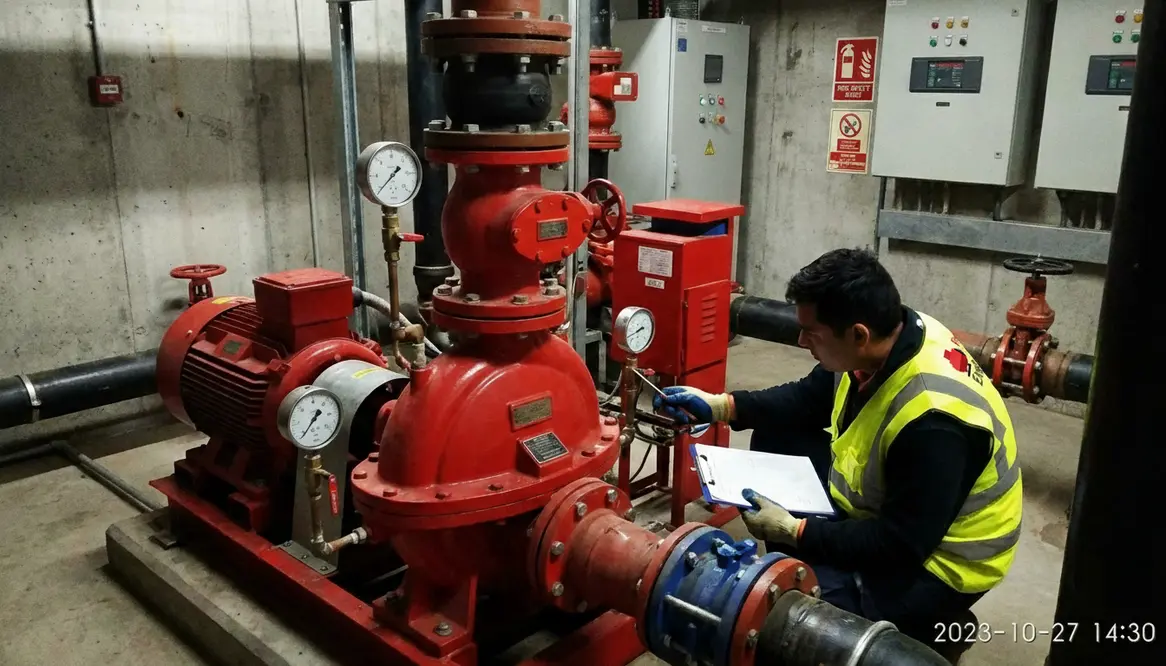
AS 2419 Fire Pump Testing Requirements Guide
AS 2419 Fire Pump Testing Requirements Overview
When I look at AS 2419 testing, I see more than a compliance task. I see the pulse of a fire protection system that must work when everything else goes sideways. In commercial and industrial sites, and in major property buildings, fire pumps carry serious weight. They do not get applause when they work. However, when they fail, everyone notices fast. So, I treat testing as a practical habit, not a paperwork chore. It keeps the system ready, the building safer, and the people inside a lot less likely to meet a very bad day.
What AS 2419 testing means for a building
AS 2419 testing checks whether the fire pump and related system can deliver the water flow and pressure the design expects. In plain terms, I want to know that the pump can do its job under real load, not just sit there looking important in a plant room like a superhero before the first scene. This standard matters most in large buildings where the fire load, floor area, or site layout makes normal water supply less than ideal.
Testing confirms that the pump starts properly, runs at the right pressure, and responds as it should during demand. It also helps me spot wear, weak parts, and issues with controls or valves before they turn into an emergency.
When I schedule fire pump tests
I schedule tests based on the site’s risk, the system design, and the local compliance needs. Regular checks help me catch drift in performance early. In many cases, I plan routine runs, full flow tests, and inspection points across the year so the system stays in shape. That way, I do not wait for a problem to show up during a fire drill, because that would be the kind of surprise nobody wants.
For commercial and industrial properties, timing matters. A warehouse, hospital, high rise, shopping centre, or manufacturing site may have different demands. Therefore, I match the test plan to the building’s use and the pump set installed. Also, I keep records clear so the history tells a story, not a mystery novel.
What I check during AS 2419 testing
I always focus on the main parts that decide performance. First, I check pump start and stop function. Next, I look at pressure, flow, suction conditions, alarms, and controller response. Then I confirm that valves, gauges, and connections work as expected. If the pump is diesel driven, I also watch fuel, battery, cooling, and engine condition. If it is electric, I check power supply and control health.
Here is the practical split I use:
Key checks and why they matter
What I check
- Start and stop performance
- Flow and pressure output
- Alarms and controls
- Fuel, batteries, or power supply
- Valves and gauges
Why it matters
- Shows the pump can respond quickly
- Confirms the system can meet demand
- Proves the panel and alerts work properly
- Reduces the chance of failure during use
- Helps me detect hidden faults early
This approach keeps the process simple, but not shallow. I want proof, not guesswork.
How I keep AS 2419 testing records useful
Good records make future testing easier and smarter. I log dates, results, pressure readings, faults, repairs, and any changes to the system. Then I compare new results with past results to spot slow decline. That trend view matters because equipment rarely fails with a drumroll. More often, it slips down little by little until the numbers stop looking friendly.
These records also help with audits, maintenance planning, and building management decisions. Moreover, they protect the owner or manager by showing that the site takes fire safety seriously. For major properties, that evidence can save time and stress when compliance checks come around.
If you need structured guidance or reference material, resources like https://firepumps.org can help you understand how strong record keeping and AS 2419 testing work together in practice.
Why AS 2419 testing matters for commercial sites
Commercial and industrial facilities face high risk because of their size, use, and occupancy. Therefore, the fire pump must stay ready at all times. A strong testing plan supports life safety, asset protection, and business continuity. It also helps reduce downtime after faults, which matters a lot in places that cannot afford a long shutdown.
If a pump underperforms, water delivery can drop when it counts most. That can lead to damage, legal issues, and serious safety risk. For that reason, I never treat fire pump testing as optional. It sits at the core of a reliable fire system, right beside good maintenance and fast repairs. Consistent AS 2419 testing is the thread that ties those pieces together and keeps the whole system honest.
FAQ about AS 2419 testing
Conclusion
AS 2419 testing gives me a clear view of how well a fire pump will perform when a building needs it most. It supports safety, compliance, and peace of mind for commercial and industrial sites. If you manage a major property, do not wait for trouble to knock on the door with a hard hat and bad timing. Review your testing plan now, check your records, and make sure your system is ready for the real thing.