AS 2419 Fire Pump and Hydrant Performance Guide
I have seen enough fire systems to know this: when an AS 2419 hydrant works right, nobody claps, because nothing dramatic happens. That is the point. In commercial and industrial sites, and in major property buildings, fire pumps and hydrant systems must deliver water fast, at the right pressure, and without excuses. If they fail, the whole building gets a very bad day. So, in this guide, I will walk through how AS 2419 performance works, what to check, and how to keep your hydrant system ready when it matters most.
What AS 2419 performance means for my site
AS 2419 sets the standard for fire hydrant systems in buildings that need reliable fire protection. In simple terms, it tells me how the system should be designed, installed, tested, and kept ready for use. For a commercial tower, warehouse, factory, or other large property, this matters because a fire crew needs steady water supply at the right flow and pressure.
When I assess performance, I look at three main things. First, the system must start and operate as expected. Second, the hydrants must provide enough water for fire crews to do their job. Third, the pump must support the system under real demand, not just on paper. A tidy drawing in a folder looks nice, but fire does not care about stationery.
Key point: the performance goal is not just compliance. It is dependable delivery under pressure, and that pressure is not the kind you enjoy before a Monday meeting.
How I check fire pump output and hydrant pressure
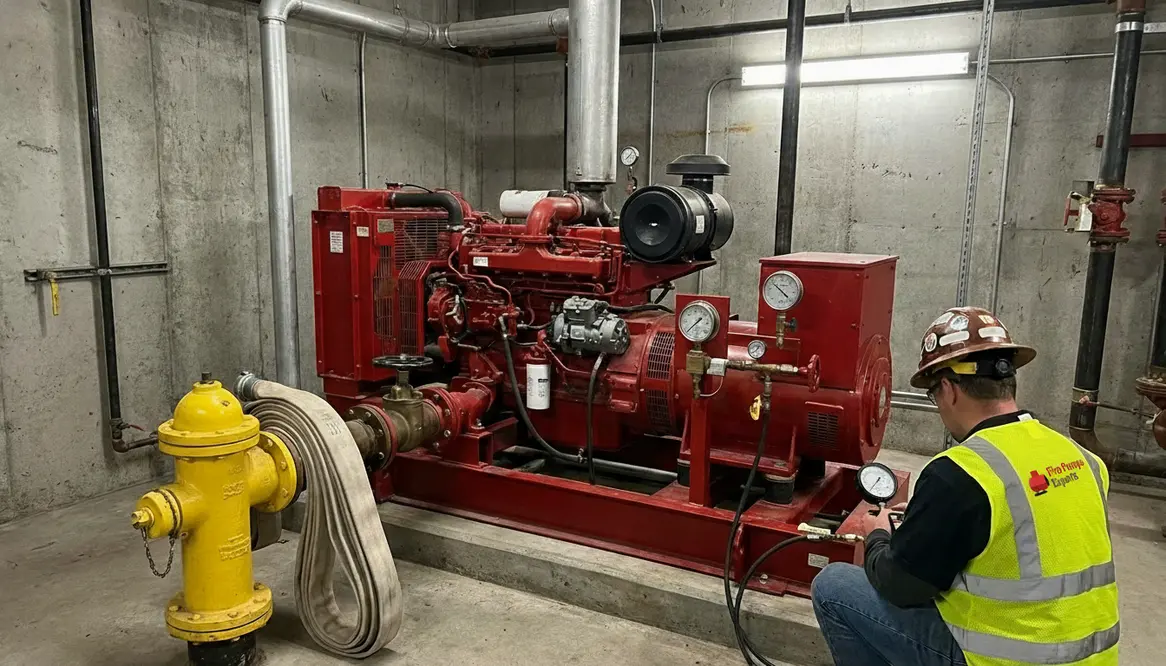
The fire pump is the heart of the system. If the heart is lazy, the rest of the body starts making excuses. I check pump output by confirming the flow rate, delivery pressure, and start up response. Then I compare results with the system design and the site demand.
For hydrant performance, I look at pressure at the outlet and water flow at the farthest or most demanding point. This matters because the most remote hydrant often tells the real story. The nearest one may look impressive, but it is the easy kid in the class. The far one is where truth shows up.
Performance checks I focus on:
Left column
- Pump starts without delay
- Pressure stays steady under load
- Flow meets the design need
Right column
- Hydrant outlets remain usable
- Valves open and close correctly
- No major leaks or drops in pressure
Also, I always check that the test method matches the site setup. After all, a test that ignores real conditions is like reviewing a movie based only on the trailer. It misses the plot.
AS 2419 hydrant testing steps I follow on site
When I test an AS 2419 hydrant, I follow a clear process so I can trust the result. I start by checking the pump status, valves, and visible pipe condition. Then I make sure the test instruments work properly. A bad gauge can turn a good system into a false alarm, and nobody needs that kind of plot twist.
Next, I run the hydrant flow test and record pressure at each stage. I watch for sudden pressure drops, slow pump response, and strange noise from the equipment. After that, I compare the results with the expected performance level for the building.
I also look for signs that the system struggles during peak demand. For example, if the pump cycles too often or the pressure wobbles, I know the site needs attention. In large industrial facilities, even a small issue can become a big one fast, especially when the system serves long pipe runs or multiple zones.
What can hurt hydrant system performance?
Several common problems can weaken fire pump and hydrant performance. The good news is that most of them show warning signs before they become a full disaster film.
Common causes of poor performance include:
- Blocked strainers or dirty pump parts
- Worn valves or leaking fittings
- Low water supply from the tank or main
- Poor pump maintenance or delayed service
- Corrosion in pipework
- Faulty pressure switches or control parts
In addition, old systems often lose performance because no one has checked them properly in years. That is not a strategy. That is a hope, and hope is not a fire safety plan. For commercial and industrial buildings, I treat maintenance as a core duty, not a side task.
If a site has repeated faults, I also review whether the system still suits the building use. A property change can raise fire demand, and the hydrant system must keep up. The building may have grown, but the pump did not get the memo. When that happens, an updated design with a correctly sized AS 2419 hydrant layout becomes essential, not optional.
How I keep the system ready all year
To keep the system ready, I use regular inspection, testing, and planned repairs. I do not wait for a fault to show up during a critical moment. That would be a very expensive way to learn a lesson.
I recommend a routine that includes visual checks, flow testing, pump checks, and record review. Then I look for patterns. If pressure slowly drops over time, I treat that as a warning. If a valve keeps sticking, I replace or service it before it turns into a bigger issue.
I also make sure the team understands the system. In large properties, good performance depends on more than hardware. It depends on people who know what to watch, what to report, and when to call for help. A strong system with poor attention is like a sports car with no fuel. It looks ready until it is not.
For deeper technical support and compliance guidance, I suggest reviewing AS 2419 hydrant system compliance resources as part of your maintenance plan. Matching those resources with the real-world behavior of each AS 2419 hydrant on your site gives you a far clearer picture of actual readiness.
When the testing data, maintenance records, and on-site observations all line up, you know each AS 2419 hydrant is doing what it should. That is the point where compliance stops being a checkbox and starts becoming proven performance.
FAQ
My final take on keeping AS 2419 systems reliable
If I want a fire hydrant system to perform when it counts, I do not rely on luck or a last minute check. I use testing, maintenance, and clear records to keep everything in shape. For commercial and industrial sites, that is the smart move and the safe one. If you manage a major property building, I suggest you review your fire pump and hydrant system now, fix weak points early, and keep compliance and confidence working together.