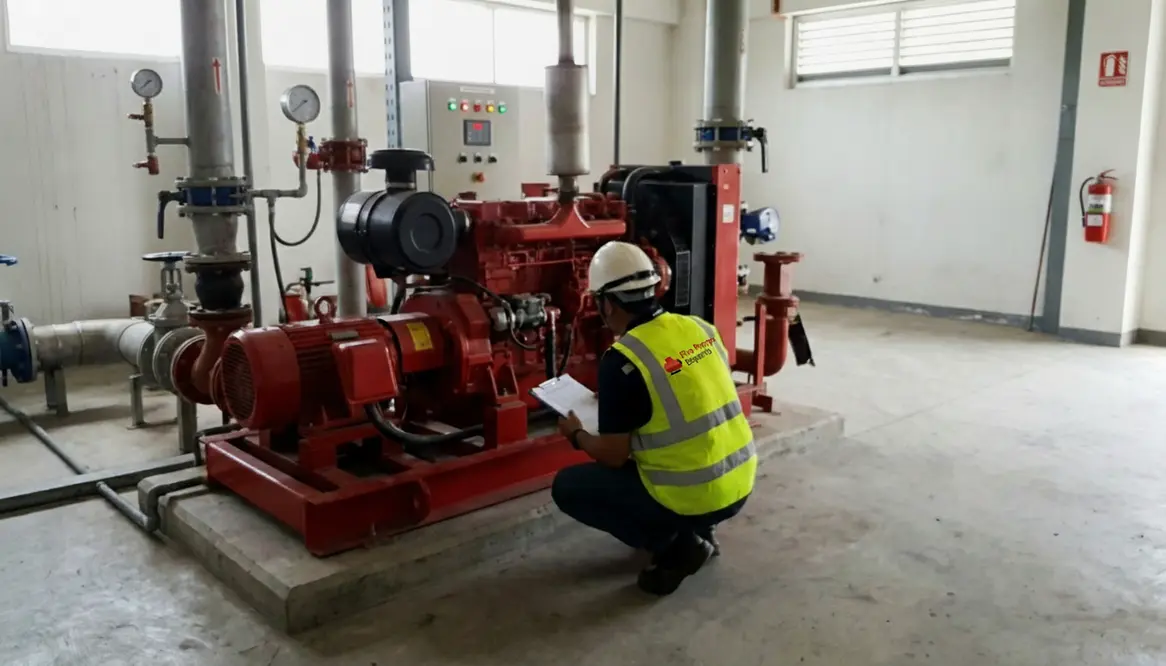
VdS CEA 4001 Fire Pump Maintenance Guide
VdS CEA 4001 Fire Pump Maintenance Guide for Commercial and Industrial Facilities
I have seen one truth hold steady in fire protection: a fire pump is only useful when it performs without drama. That is why VdS CEA 4001 maintenance matters so much for commercial and industrial buildings. It keeps the system ready, steady, and compliant, while also helping me spot small faults before they turn into costly surprises. In a large property, a weak pump is not a small issue. It is the difference between calm control and a very bad day with a very loud alarm.
In this guide, I will walk through the core checks, the testing rhythm, and the simple habits that keep a fire pump dependable. I will keep it practical, because nobody wants a fire pump guide that reads like a sleep aid. Well, unless the alarm fails, and then suddenly everyone wants details.
What I check first in VdS CEA 4001 maintenance
I always start with the basics, because the basics catch the most problems. First, I look at the pump room itself. The space must stay clean, dry, warm enough, and easy to reach. Then I check for leaks, loose fittings, rust, vibration, and strange noise. A fire pump should not sound like it is auditioning for a rock band.
Next, I inspect the suction and discharge valves, pressure gauges, control panels, battery condition, and power supply. I also confirm that the pump has no signs of overheating or wear. If a diesel unit is in place, I check fuel level, coolant, belts, and oil. If an electric unit is installed, I pay close attention to starter health and supply stability. These checks help me build a clear picture before I move into test runs.
How I test a fire pump without wasting time
Testing matters because a silent pump is not the same thing as a ready pump. I run the system under controlled conditions and verify that it starts properly, builds pressure, and keeps stable flow. I also watch the start sequence closely. If the pump hesitates, I treat that like a warning sign, not a personality trait.
Daily and weekly checks
- I confirm room access, pump status, and visible signs of trouble.
- I check controller lights, pressure readings, and alarm signals.
- I look for leaks, strange heat, or low fluid levels.
Monthly and scheduled tests
- I run the pump and verify automatic start response.
- I record suction pressure, discharge pressure, and run time.
- I inspect batteries, fuel system parts, and control logic.
This rhythm supports reliable VdS CEA 4001 maintenance because it keeps testing regular without turning every visit into a full shutdown event. For major properties and industrial sites, that balance matters. The pump must stay ready, but the building also has work to do.
Why I focus on records and compliance
Good records protect more than paperwork. They show that I checked the system, found issues early, and took action. In my experience, maintenance logs become very important during audits, insurance review, and internal safety checks. They also help me spot patterns. If pressure drops each month, the record tells the story before the pump does.
I keep clear notes on test dates, readings, repairs, part replacements, and follow up actions. I also make sure the records match site procedures and local fire safety rules. For teams that manage large facilities, this process can save time and reduce confusion. It also helps the maintenance crew, the safety manager, and the facility owner stay on the same page, which is rare enough in the business world to deserve a small round of applause.
How I handle common fire pump problems
Most pump issues follow a familiar pattern. Low pressure may point to a valve problem, suction issue, worn part, or bad setting. Failure to start often leads me to the controller, batteries, power source, or control logic. Vibration can point to misalignment, worn bearings, or loose fittings. Meanwhile, leaks often come from seals, connections, or pipe stress.
When I find a problem, I do not guess. I isolate the cause, confirm the fault, and fix the source. Then I retest the system. A quick patch may look smart for five minutes, but fire protection does not reward shortcuts. It rewards discipline. That is the quiet truth behind reliable VdS CEA 4001 maintenance.
Two column quick view
Problem
Low pressure
Won’t start
Too much vibration
Leaks
What I check first
Valves, suction line, gauge, discharge path
Controller, power, battery, starter system
Alignment, mounts, bearings, loose parts
Seals, joints, pipework, pump casing
If you want a deeper look at building level fire pump care, I also recommend reviewing the commercial fire pump maintenance resource at firepumps.org for practical guidance built around major properties and industrial sites.
FAQ: VdS CEA 4001 fire pump care
I use this section to answer the questions I hear most when people start taking VdS CEA 4001 maintenance seriously in their buildings.
Keep your fire pump ready when it counts
I treat fire pump care as a routine, not a rescue mission. When I follow VdS CEA 4001 maintenance with steady checks, clean records, and proper testing, I give the system its best chance to perform under pressure. If your facility needs dependable fire pump support, now is the time to review your current plan, close the gaps, and bring in expert help where needed. A ready pump protects people, property, and peace of mind. That is worth doing well.