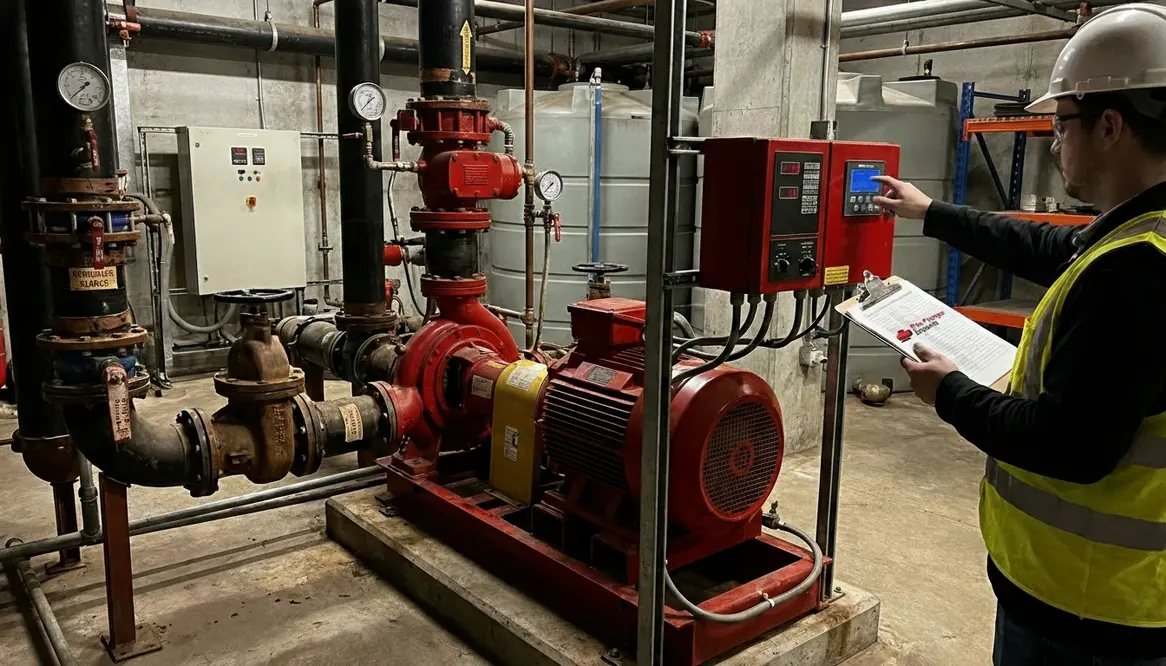
VdS CEA 4001 Sprinkler Pump Design Guide for Commercial and Industrial Buildings
When I look at fire protection in major properties, I always come back to one hard truth: a sprinkler system is only as strong as the pump behind it. That is where the VdS CEA 4001 sprinkler design approach earns its respect. It gives me a clear path for building systems that can hold pressure, deliver flow, and stay ready when the heat rises and the room gets very serious very fast. In other words, it helps me design a pump setup that behaves like the calm friend in a disaster movie who actually knows what to do.
For commercial and industrial facilities, the guide matters because it supports reliable protection for high value assets, large floor areas, and complex risk zones. So, if I want a system that performs under real demand, I start with the standard, then I shape the pump design around the site, the hazard, and the water supply.
How I Read the VdS CEA 4001 Sprinkler Pump Design Guide
I treat the guide as a design map, not a box to check. First, I define the hazard class, the protected area, and the required sprinkler discharge. Then I match the pump to the system demand, including pressure loss across pipes, valves, fittings, and elevation. This step sounds simple, yet it is where many projects start to wobble like a shopping cart with one bad wheel.
The guide helps me focus on four basic goals:
- Keep enough pressure at the most remote sprinkler
- Deliver the required water flow for the design area
- Cover full system losses without guesswork
- Support the water supply for the needed run time
Because of that, I never size a pump by “what feels right.” I size it by the hydraulic demand of the building. That is the difference between a real design and a hopeful one, and hope does not pump water.
What Pump Data I Check First
Before I approve any sprinkler pump design, I check the pump curve, duty point, and net positive suction head. I also review the water source, since the source often sets the ceiling for the whole system. If the supply cannot support the demand, then even a powerful pump can struggle.
Here is the order I usually follow:
Left column
- Static water level
- Available flow from the supply
- System pressure loss
- Required pump duty point
Right column
- Motor size and starting method
- Jockey pump role
- Suction pipe layout
- Test header or flow test setup
Next, I check whether the pump can meet the demand without drifting outside its best operating range. That matters because a pump that runs poorly may still move water, but it will not do the job with the confidence I want in a commercial site or an industrial plant. And yes, the pump room should not feel like a place where the equipment is quietly plotting against me.
How I Size the Pump for a Real Site
To size the pump, I begin with the sprinkler demand from the hazard class and the design area. Then I add the friction loss in the piping network, the elevation gain, and any device losses. After that, I compare the result with the available water supply and choose the pump that meets the demand with a safe margin.
I also think about the full system, not just the pump. For example, a high rack warehouse, a data center, or a manufacturing plant may need different pressure and flow patterns. So, I make sure the pump supports the weakest part of the system, because that is often where fire protection gets tested first. Fire does not care about our spreadsheets, and that is rude, but it is true.
When I follow the VdS CEA 4001 sprinkler design philosophy closely, it forces me to respect the hardest-to-reach areas of the building instead of designing only for the easy ones.
What I Do to Keep the System Reliable
Reliability comes from design discipline. First, I make sure the suction line stays short, straight, and sized well. Then I place the pump in a room that stays dry, warm enough, and easy to service. I also plan for automatic start, alarm signals, and routine testing so the pump does not turn into a museum piece with a motor.
Finally, I look at maintenance access. A good sprinkler pump design guide should not only help me pass review; it should help the facility team keep the system ready year after year. That includes valve access, controller space, test points, and clear labels. If the system hides behind poor layout, then maintenance becomes guesswork, and guesswork is a terrible fire strategy.
Why the VdS CEA 4001 sprinkler mindset boosts reliability
The VdS CEA 4001 sprinkler approach keeps every design decision honest: if it cannot be justified hydraulically, it does not belong in the final layout. That discipline is what keeps the system ready on the day it truly counts.
When I Recommend Expert Support
I recommend expert review when a facility has high hazard storage, complex pipe runs, multiple pressure zones, or limited water supply. In those cases, a detailed sprinkler pump study protects the owner from costly rework and weak performance.
If you want deeper guidance on pump selection and commercial fire system planning, I suggest reviewing the sprinkler pump design resources for commercial facilities at https://firepumps.org, since their focus stays on major properties and industrial sites.
On larger campuses, I often see that a second look at the VdS CEA 4001 sprinkler criteria uncovers hidden limitations in the water supply or control valve layout before they become expensive problems.
Quick Design Checkpoints
Hydraulic reality checks
- Confirm the most remote design area and its demand.
- Verify pressure at the highest and farthest sprinklers.
- Compare calculated demand to actual supply test data.
- Ensure the pump curve supports the final duty point.
Room and hardware checks
- Check pump room temperature control and drainage.
- Confirm clear access around pumps and controllers.
- Verify test header location and hose routing.
- Plan visible labeling for valves and key equipment.
FAQ
Conclusion
If I want a sprinkler system that stands ready for a commercial or industrial building, I start with a solid pump design and a clear read of the VdS CEA 4001 sprinkler guide. Then I match the pump to the hazard, the water supply, and the real hydraulic demand. When the full layout respects the principles behind a VdS CEA 4001 sprinkler design, the result is a system that can back up its promises with real performance.
If you are planning a new system or reviewing an existing one, now is the time to get the design right and protect the building with confidence.