VdS CEA 4001 Fire Pump Requirements Guide
VdS CEA 4001 Fire Pump Requirements Explained
If you manage a commercial or industrial property, then VdS CEA 4001 requirements matter more than a coffee machine on a Monday morning. I say that because a fire pump is not just a metal box that hums in a back room. It is the muscle behind your sprinkler system, and if it fails, the whole protection plan starts looking nervous. In this article, I break down the key rules in a clear way, so you can see what the standard asks for, why it matters, and how it affects real facilities. And yes, I will keep the jargon on a short leash.
What I look for first in a fire pump setup
When I review a pump room, I start with the basics. The system must deliver the right pressure and flow for the sprinkler demand. That sounds simple, but the details matter. VdS CEA 4001 expects the pump to support the design of the whole fire protection system, not just run well on paper like a hero in a trailer.
Core checks when reviewing a fire pump
I check three things first:
- The pump must meet the required flow at the required pressure
- The water supply must stay reliable during a fire event
- The pump room must allow safe access, service, and inspection
Then I look at the full path from water source to sprinkler network. If the supply dips too fast or the pump cannot keep up, the system loses strength right when it needs it most. That is why the standard focuses on performance, reliability, and clear testing. In large warehouses, factories, logistics centers, and major buildings, there is no room for guesswork. Fire does not care about your schedule, and it certainly does not care about excuses.
VdS CEA 4001 requirements for pump design and layout
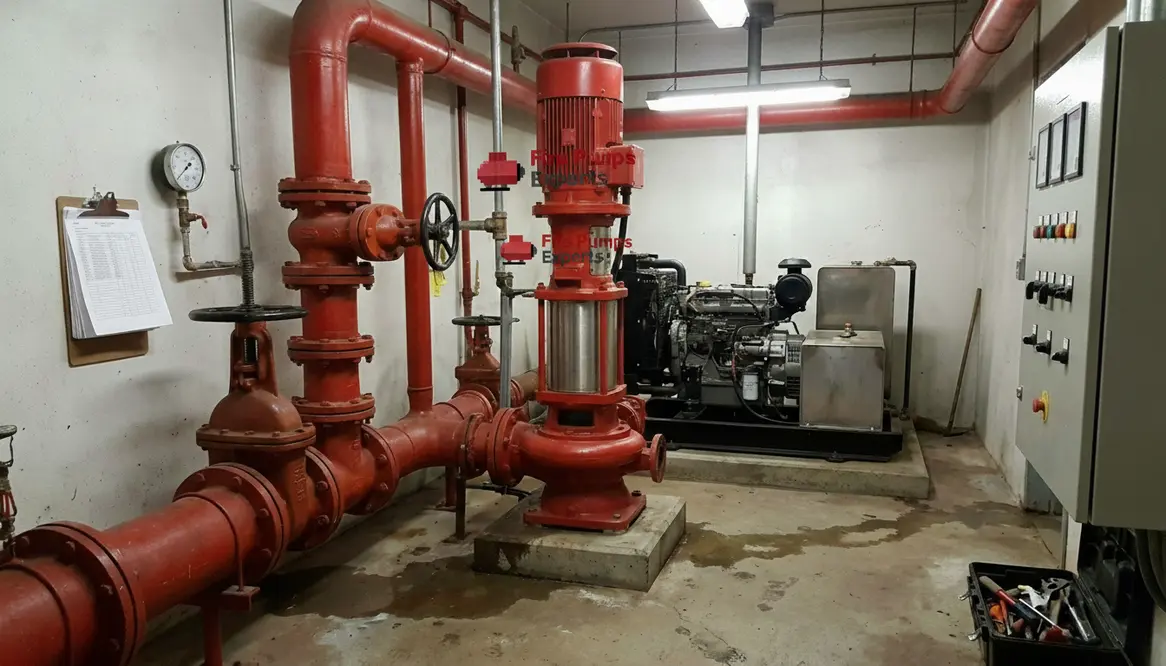
Now let me get into the design side. The standard asks for a pump arrangement that supports steady operation and easy maintenance. In practice, that means the pump room should stay protected, dry, and easy to reach. Also, the equipment should sit in a space that lets staff inspect valves, gauges, controllers, and power supplies without turning the place into a puzzle maze.
Design areas and what to review
Design area
Pump capacity
Power supply
Room access
Ventilation
Drainage
What I check
It must match the sprinkler demand
It must stay reliable and backed up
Staff must reach all key parts fast
The room must stay cool enough for safe operation
Water must not pool around equipment
Besides that, I pay close attention to installation quality. A strong pump can still fail if the suction line is poor, the controls are weak, or the room lacks proper safety measures. The standard pushes for a system that works as a whole. That is the point. A fire pump is not a solo act. It is more like the Avengers, but with more pipes and fewer capes.
Testing, inspection, and reliability
Why regular tests reveal the truth
Testing is where the truth comes out. A fire pump may look perfect during installation, yet only regular testing proves it can do the job. VdS CEA 4001 requires checks that show the pump can start, run, and hold the needed output under real conditions. I always tell clients that a silent pump room is not a sign of success. It can just mean nobody has tested it lately.
In strong programs, I expect routine inspection of:
- Pump start performance
- Controller function
- Water supply stability
- Pressure levels during demand
- Alarm and fault signals
These checks help catch trouble early. For example, a worn seal, low suction pressure, or weak power supply can slowly turn into a much bigger problem. Therefore, the goal is not just compliance. The goal is confidence. When a fire event starts, the pump should not need a pep talk from the facility team.
Where commercial and industrial facilities often slip
Here is the part many people ignore until an audit or incident forces a wake up call. Large facilities often fail at the small things. They may install a good pump, but then block access with storage. Or they may choose the right unit, but forget about testing access. Sometimes, the room gets used like a spare closet. That move never wins awards.
Common mistakes that hurt pump performance
- Poor access to the pump room
- Weak maintenance records
- Incomplete testing schedules
- Power backup gaps
- Wrong pump size for the actual demand
For commercial and industrial sites, these mistakes can lead to system failure and serious risk. So I always recommend treating the pump room like critical infrastructure, because that is exactly what it is. If your building depends on fire protection to stay open, then the pump deserves respect, not leftover attention after lunch.
Why VdS CEA 4001 matters for major properties
Major properties need more than basic fire protection. They need systems that support business continuity, safety, and asset protection. That is where VdS CEA 4001 requirements become valuable. The standard gives a clear path for design, operation, and testing, and that helps owners reduce risk with less confusion.
For teams that want deeper technical help, I also suggest reviewing the commercial fire pump solutions for major properties because it helps connect the standard to real site needs. When I look at large sites, I focus on how the pump supports the whole sprinkler system, not just one piece of it. That broader view saves time, limits surprises, and helps keep people, property, and operations protected.
How VdS CEA 4001 requirements fit into daily risk planning
When you treat VdS CEA 4001 requirements as an active part of your routine, small issues surface before they become big ones. It shifts the mindset from “install and forget” to “install, verify, and trust.” That is the real outcome: a fire protection setup that feels reliable on a bad day, not just impressive in a design file.
FAQ
Conclusion
If you manage a commercial or industrial property, I strongly recommend treating VdS CEA 4001 requirements as part of your daily risk plan, not just a paper rule. The right pump, proper layout, solid testing, and clean records all work together to protect your site when it matters most. So take a hard look at your fire pump setup today, fix the weak points, and give your sprinkler system the support it deserves before trouble shows up uninvited.