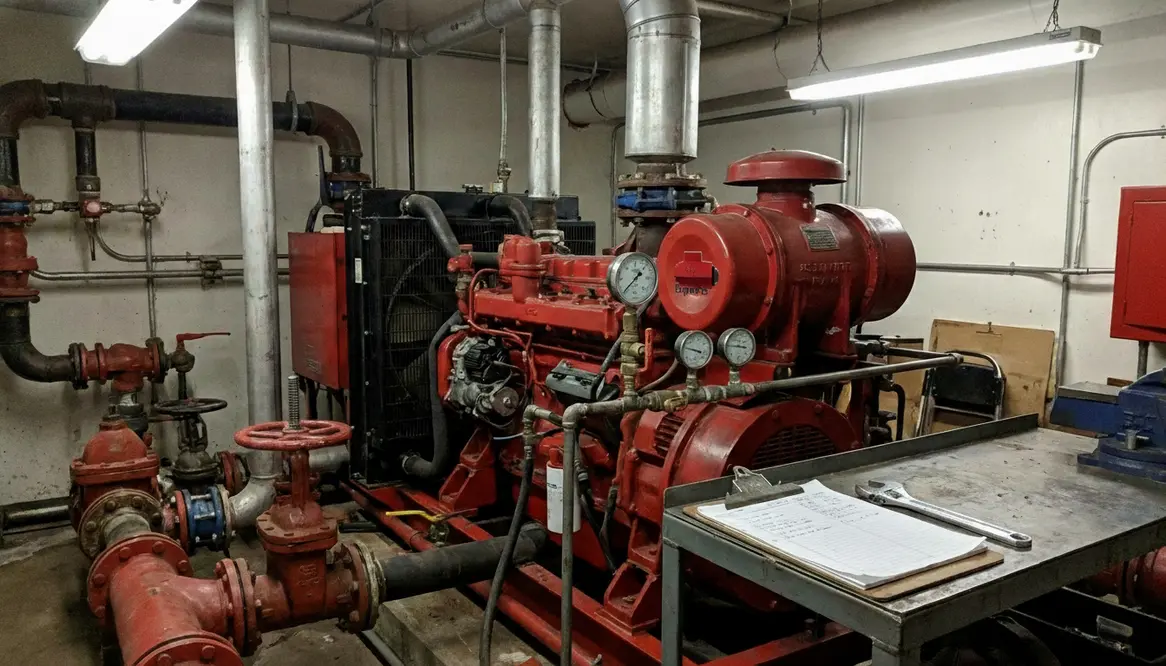
VdS CEA 4001 Fire Pump Deficiencies Explained
When I look at VdS CEA 4001 deficiencies, I do not see a small paperwork issue. I see a fire pump system that may fail when a building needs it most. For commercial and industrial facilities, that can mean real risk, lost uptime, and a very bad day that nobody wants on the calendar. I have seen how a tiny gap in inspection, pressure, or power support can turn into a costly problem fast. So, let me walk through the most common fire pump deficiencies, how I identify them, and why they matter for major property buildings.
Why Fire Pump Deficiencies Are A Big Deal
A fire pump is the heart of many fixed fire protection systems. If it underperforms, sprinklers, hydrants, and standpipes lose the strength they were designed to deliver. The result is a system that looks fine on paper but struggles badly when it has to perform in a real emergency.
In large commercial or industrial properties, that gap between “designed performance” and “actual performance” can be the difference between a controlled fire and a shutdown that makes the finance team very unhappy.
What VdS CEA 4001 Fire Pump Deficiencies Mean In Plain Language
VdS CEA 4001 sets the rules for fire protection systems, and the fire pump sits at the center of that world. If the pump cannot deliver the right water flow and pressure, the system loses strength. That is the whole game. In practice, VdS CEA 4001 deficiencies usually show up as weak suction, poor test results, power trouble, valve issues, or bad maintenance records.
These problems rarely arrive with a drum roll. They creep in quietly, like a villain in a long series who keeps getting more annoying every season.
Two Ways To Think About Pump Health
Physical condition of the pump, controls, valves, and fuel or power supply.
Performance condition shown by test results, alarms, and documented upkeep.
When both lines stay healthy, the pump stands ready. When one side slips, the full fire defense plan starts to wobble.
Common Fire Pump Deficiencies I See In The Field
Hydraulic Performance Problems
Poor suction conditions are at the top of the list. Air leaks, clogged strainers, or low water supply can reduce pump output long before anyone notices on a casual walk-through.
Next, I run into discharge pressure problems. If the pump does not hold the right pressure, the system cannot support sprinklers or standpipes as designed, and any talk of compliance with VdS CEA 4001 quickly falls apart.
Power And Control Failures
Electric pumps may face bad wiring, weak starters, failed batteries, or control faults. Diesel pumps bring their own list, including fuel problems, battery failure, cooling trouble, and starting system issues.
Some facilities also keep the room too cold, too hot, or too crowded. That sounds minor until the equipment starts acting like it wants an early retirement.
Maintenance And Documentation Gaps
I often see missing inspection logs, skipped test runs, or overdue service hiding real damage. And yes, the paperwork matters.
A pump without proper records is like a movie with no ending. You may still watch it, but you will not feel good about it.
How I Check VdS CEA 4001 Deficiencies Step By Step
When I review a fire pump against VdS CEA 4001 deficiencies, I follow a simple structure that keeps things efficient and thorough.
1. Inspecting The Pump Room
I check access, lighting, heat, ventilation, drainage, and housekeeping. A clean room makes real faults easier to spot, while a messy room likes to hide trouble. If I have to step over storage boxes to reach the controller, we already have a problem.
2. Reviewing Pump Type And Backup Support
I confirm whether the site uses electric or diesel equipment, then look at backup power, fuel supply, and automatic starting functions. I want to know what happens if the main power drops at the same time a fire breaks out, because that is never the day to experiment.
3. Testing The System Under Real Load
I want to see pressure, flow, and start performance. If the pump sounds tired, struggles to start, or drops output, I dig deeper right away. A smooth test curve and stable readings are my favorite kind of boring.
4. Reviewing Records And Service History
Good logs tell a story. Bad logs tell me the story got skipped, which is never a comfort in fire protection. I look for consistent testing, clear notes, and evidence that previous VdS CEA 4001 deficiencies were actually corrected and retested.
| Inspection Area | What I Look For |
| Pump performance | Stable pressure, proper flow, correct start time |
| Power source | Reliable electric supply or diesel readiness |
| Room conditions | Ventilation, heat control, clean access, no water damage |
| Maintenance records | Tests, repairs, service dates, and clear notes |
This kind of review helps me catch problems before they become emergency repairs. It also gives building teams a real plan instead of a hopeful shrug, which is not a fire safety strategy, no matter how confident the shrug looks.
Why These Deficiencies Hit Commercial And Industrial Buildings Hard
For a large property, a weak fire pump does not just threaten one room. It can affect operations, stock, staff safety, and business continuity. In industrial sites, a failed pump may interrupt production and trigger much bigger losses than the repair bill.
In commercial towers or major facilities, the risk spreads across tenants, systems, and critical assets. That is why I treat every deficiency as a business issue, not just a technical one, especially when repeated VdS CEA 4001 deficiencies start to appear in reports.
Insurance reviews and compliance checks tend to notice these problems fast. The cost of correction may still be lower than the cost of a failed test, a shutdown, or a fire event where the system does not perform. Nobody wants that headline. Trust me, it has no good sequel.
How I Fix VdS CEA 4001 Fire Pump Deficiencies
When I find a deficiency, I move from diagnosis to action. First, I define the root cause. Then I repair, replace, or adjust the part that failed. After that, I retest the system to confirm the fix worked. I also update records so the next review starts from solid ground rather than a guessing game.
For many sites, the best approach includes regular pump tests, clear service schedules, trained staff, and fast response when alarms or faults appear. I also recommend using a trusted external resource like this guide to commercial fire pump compliance if your team needs a deeper look at inspection and maintenance expectations.
For major properties, that kind of support can save time and reduce risk. It also makes it easier to prove that any previous VdS CEA 4001 deficiencies were taken seriously and fully resolved, not just taped over until the next audit.
Recognizing Warning Signs Before They Become Failures
Most fire pump trouble does not start with a dramatic bang. It shows up as small hints: a longer start time, a strange noise, a test reading that slips slightly out of range, or a maintenance task that never quite makes it onto the calendar.
If building teams treat those early signs as optional, VdS CEA 4001 deficiencies begin to stack up quietly. If they treat them as early alarms, it is possible to fix problems on a planned schedule instead of racing to respond after a failed inspection or, worse, after a fire.
FAQ
Conclusion
If I want a fire pump to protect a commercial or industrial building, I cannot ignore small faults and hope for the best. I need clear testing, solid records, and fast repair when something slips. So, if your site has signs of VdS CEA 4001 deficiencies, act now. Review the pump room, check the tests, and bring in qualified support before a small issue turns into a costly one. Your building deserves that level of care, and frankly, so does your peace of mind.