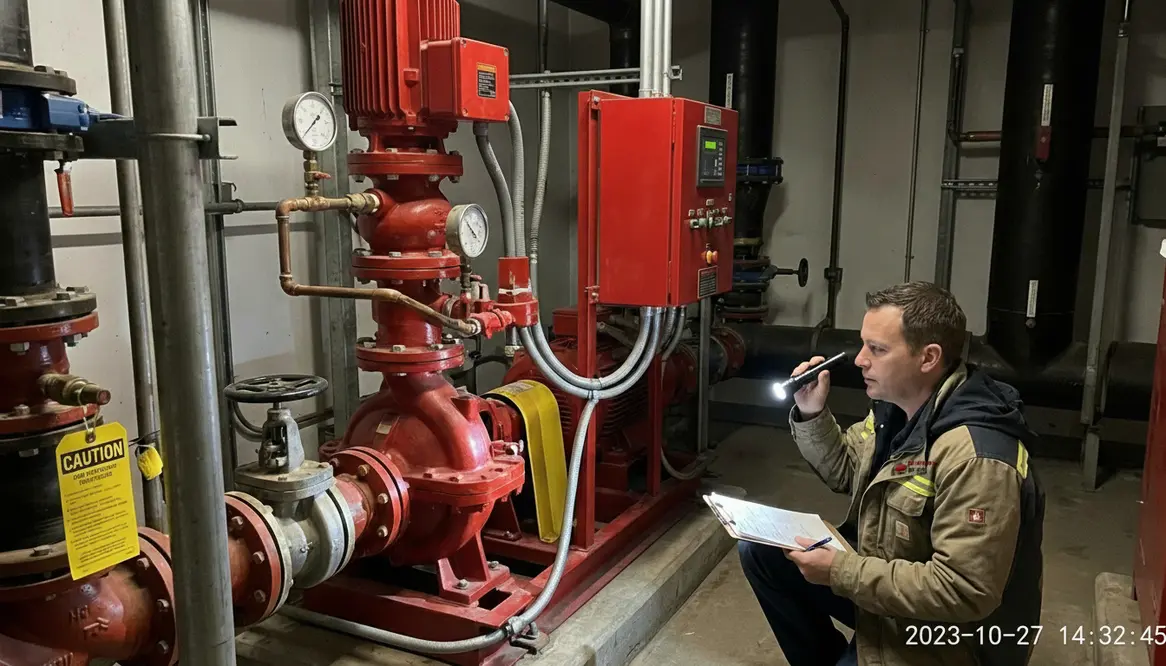
VdS CEA 4001 Fire Pump Inspection Checklist Guide
VdS CEA 4001 Fire Pump Inspection Checklist: A Practical Guide for Commercial and Industrial Sites
When I walk into a plant room and see a fire pump system sitting there like the quiet hero it is, I know one thing for sure: it only gets respect when people check it the right way. That is where the VdS CEA 4001 inspection comes in. It gives me a clear path to inspect fire pump systems in commercial and industrial facilities, and in major properties where uptime matters as much as safety. No drama, no guesswork, just a solid routine that helps the system do its job when the pressure is on. And yes, this is one checklist you do not want to treat like a movie sequel with a bad script.
The goal is simple. I want the pump, controls, fuel supply, power source, valves, and alarm signals to all work together like a band that actually rehearsed. So, let me break down what I look for, why it matters, and how I keep the process clean, useful, and ready for real world fire protection using the structure of a VdS CEA 4001 inspection from start to finish.
What I check first during a fire pump inspection
I always start with the basics, because the basics catch the most trouble. First, I look at the pump room itself. I check for clear access, good lighting, proper heat, and no leaks, rust, or clutter around the unit. Then I confirm the pump is visible and easy to reach. If I need to move boxes, tools, or a mystery chair from 1998, something has already gone wrong.
Next, I inspect the nameplate and system labels. I verify that the pump type, rating, and test data match the design needs of the site. After that, I check suction and discharge valves to make sure they sit in the right position and show no signs of damage. I also look at gauges to confirm pressure levels look normal. If a gauge needle seems stuck, that is not “quiet confidence.” That is a problem.
Room, pump, and labeling essentials
- Access routes to the pump room are clear and unlocked.
- Lighting is bright enough to read gauges and labels without a flashlight stunt show.
- Room temperature is maintained to protect equipment from freezing or overheating.
- No water leaks on the floor, near the baseplate, or under valves.
- Nameplates and labels are legible, up to date, and match the design documentation.
- Suction and discharge valves are in the correct operating position and show no damage.
- Pressure gauges respond smoothly and sit within the expected normal range.
VdS CEA 4001 inspection checklist for controls and power
I never rush the control panel. In fact, I treat it like the command center it is. I check for clean wiring, proper status lights, and any trouble signals. Then I confirm that the controller shows normal operation and no hidden faults. If the panel has alarms, I make sure they work as expected. After all, a fire pump that cannot speak up in an emergency is about as useful as a superhero with no voice.
Controls and power items I verify
Item
Power supply
Controller status
Battery condition
Motor and starter
Transfer function
What I verify
Main and backup power are available, stable, and correctly sized for the fire pump.
No fault lights or unacknowledged error alarms appear on the controller display.
Batteries have proper charge, clean terminals, and no swelling, leakage, or corrosion.
Motor and starter look clean, dry, and free from burn marks, loose parts, or unusual odors.
Automatic changeover between power sources works correctly when tested.
I also test the power source for electric driven pumps and review fuel levels for diesel units. Then I look at battery chargers, engine jackets, and starting systems. If the pump uses a diesel engine, I check oil, coolant, and fuel quality. A diesel pump should be ready to roar, not cough like it just ran a marathon in winter.
How I test pump performance the right way
Once the visual review is done, I move to performance. This is where the pump proves itself. I test operation under the right conditions and confirm that pressure and flow match the expected range. I watch for vibration, unusual noise, slow start up, or weak output. Those signs matter because they often point to wear, air in the line, blocked flow, or a deeper mechanical issue.
I also check running time and startup behavior. The pump should start fast and run without hesitation. If it stumbles, I do not shrug and move on. I dig deeper. I inspect the driver, coupling, seals, and bearings where needed. I also confirm that the pump stops and resets properly after the test. A smooth reset tells me the system is not just alive, but disciplined.
Why performance checks matter for real emergencies
For commercial and industrial sites, this step is vital. A major property can have high fire loads, wide floor areas, and long response paths. So, a weak pump can put the whole plan at risk. The VdS CEA 4001 inspection helps me catch that before trouble makes the first move, because it gives structure to how I confirm the pump can deliver water when the building needs it most.
- Flow tests confirm that the pump still hits its rated pressure and volume.
- Start and stop sequences show how the controls respond under stress.
- Noise, vibration, and temperature changes hint at mechanical wear long before failure.
- Recorded readings build a trend line across each VdS CEA 4001 inspection so I can spot slow performance drops.
Common problems I look for before they grow
I have seen the same issues show up again and again. Some are small at first, but small problems love to become expensive ones if nobody watches them. So I keep an eye out for:
- Corrosion on pipes, fittings, or supports
- Water leaks around seals, joints, or valves
- Low fuel, weak batteries, or charger faults
- Dirty strainers or blocked suction lines
- Alarm faults that no one has explained
- Loose parts, odd vibration, or strange sound during run tests
I also check service records. Good records tell me what changed, what failed before, and what needs attention now. That saves time and helps the next inspection run smoother. And frankly, a clean record book makes everyone look more competent. Which, in facilities work, is never a bad thing.
Turning the checklist into a routine
When I repeat the same structured VdS CEA 4001 inspection routine, I do not just tick boxes. I build a habit that keeps the pump room predictable. That predictability is what keeps surprises out of the story when a sprinkler head opens or a deluge system trips in the middle of the night.
Using VdS CEA 4001 inspection principles on site
Commercial and industrial properties rarely have simple layouts. Long pipe runs, mixed occupancies, and changing production lines all put pressure on the fire protection system. That is why I lean on the structure of a VdS CEA 4001 inspection to keep the pump, driver, and controls in step with the rest of the system instead of guessing my way through each visit.
For commercial buildings
- Office towers with multiple tenants and complex evacuation plans
- Shopping centers where open areas and storage rooms share the same pump system
- Hotels that rely on consistent water pressure on every floor, every hour of the day
For industrial facilities
- Manufacturing plants with flammable liquids or high challenge storage
- Logistics centers with tall racking and long sprinkler pipe runs
- Data centers where cooling systems and fire protection go hand in hand
In all of these, the same logic applies: use the discipline of a well-structured VdS CEA 4001 inspection to keep a critical life safety system from sliding into “out of sight, out of mind” territory.
FAQ
Final thoughts and next step
I treat every VdS CEA 4001 inspection as a chance to protect people, property, and business uptime. When I inspect with care, I help the fire pump stay ready for the moment it is needed most. If your commercial or industrial site needs a proper fire pump review, now is the time to act. Do not wait for a fault to write the story for you. Schedule a professional inspection, review the records, and keep your system ready, calm, and dependable.
If you want to understand how your current maintenance routine lines up with recognized guidance for fire pumps and sprinkler systems, resources such as https://firepumps.org and official VdS publications can provide more depth and context alongside your own checklists.