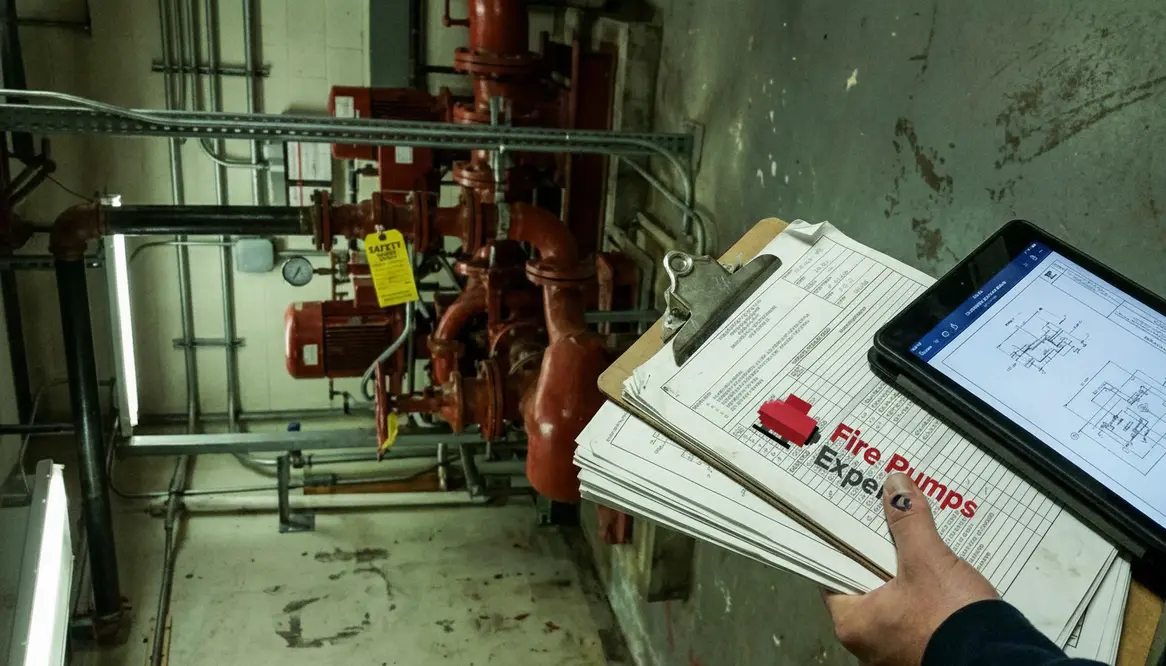
ISO Fire Pump Documentation for Multinational Projects
I have seen plenty of projects slow down for silly reasons, but nothing stalls a global build faster than messy paperwork. That is where ISO documentation steps in and keeps the fire pump side of a project clean, traceable, and ready for review. In multinational work, I use it as the common language that helps engineers, contractors, and facility teams stay on the same page. And yes, that matters when the project spans time zones, local codes, and enough meetings to make anyone question their life choices.
For commercial and industrial facilities, plus major properties, fire pump documentation is not just admin work. It is proof that the system was planned, built, tested, and handed over the right way. So, I will walk through how I handle it, what belongs in the file, and how to keep the process practical across borders.
What I include in ISO fire pump documentation
When I build a fire pump file for a multinational project, I start with the core records that show the system is fit for service. First, I collect design drawings, equipment data sheets, pump curves, motor details, controller specs, and installation records. Then I add test reports, inspection logs, and commissioning results. These items create a clear trail from design to handover.
I also keep the language simple and the structure tight. That way, a plant manager in one country and a consultant in another can read the file without needing a decoder ring. If a document hides the answer, it fails the job. I want proof, not poetry.
Key items I track in every file
- Approved shop drawings and layout plans
- Fire pump and controller data sheets
- Manufacturer certificates and compliance records
- Installation checklists and field sign offs
- Flow test and acceptance test reports
- Maintenance schedules and spare part lists
Because each market may ask for a slightly different format, I also note the local authority needs beside the ISO records. That saves time later, and it keeps the project from turning into a paperwork scavenger hunt worthy of a bad reality show.
How I align fire pump records across countries
Multinational projects often fail in the small gaps, not the big plans. One team may use one naming style, while another labels the same pump in a totally different way. So, I create one master index and use it for every site. This keeps file names, revision numbers, and approval marks aligned.
Next, I map the documentation to the project phases. Design, procurement, installation, testing, and handover each get their own folder and checklist. As a result, the review team can move through the package in a straight line instead of wandering around like they lost the remote during a movie night.
I also watch for unit changes, because one country may use metric details while another keeps old habits alive with imperial units. Therefore, I confirm every report shows the right measure, the right drawing mark, and the right version. Small details like that can save a huge headache later.
How I keep the process steady
- I use one master document register for all project sites
- I keep revision control strict and visible
- I match each record to the local approval path
- I confirm test data uses the same unit system throughout
- I store backup copies in a secure shared platform
Dual columns for fast review
Left column
- Document title
- Revision number
- Approval status
Right column
- Test date
- Site location
- Responsible party
Why ISO documentation supports compliance and handover
I treat compliance as a business tool, not just a box to tick. Good records reduce delays, lower risk, and make handover smoother. When a fire pump system serves a commercial tower, logistics hub, hospital, or industrial plant, the owner needs confidence that the records match the installed equipment. That is where structured documentation earns its keep.
For handover, I make sure the final file includes operation manuals, startup notes, corrective action logs, and warranty details. I also add contact details for service support, because when a pump issue appears at 2 a.m., nobody wants to play detective. They want answers, fast.
In my experience, a clean document package also helps during audits and future inspections. Inspectors care about evidence. Owners care about uptime. Both care about a system that can perform under pressure. So, I keep the file easy to read, easy to trace, and easy to update.
If you need a useful reference point, I would point you toward commercial fire pump documentation support for large properties and industrial sites. That kind of focused resource helps teams stay in line with the real world demands of multinational delivery.
My process for keeping the file audit ready
I do not wait until project closeout to fix the paperwork. Instead, I review documents at each milestone. That habit catches missing signatures, outdated revisions, and test gaps before they become expensive. It also keeps the final package from looking like a last minute rescue mission.
I use a simple rhythm. First, I check incoming vendor files. Then I compare them with the approved design. After that, I confirm the site records reflect what actually went in the ground, on the wall, or in the pump room. Finally, I prepare a summary sheet that tells the reviewer exactly what sits in the file.
This approach works well because it respects both engineering detail and project speed. Moreover, it gives multinational teams one clear standard, even when local work styles differ. A strong process does not need drama. It just needs discipline.
FAQ
Final word on ISO fire pump documentation
If I had to sum it up, I would say this: strong fire pump records make global projects smoother, safer, and far less painful to manage. So, if you work on commercial or industrial facilities, or major properties, build the file early and keep it tight. I recommend reviewing your current documentation now, fixing the weak spots, and setting a clear standard before the next project wave hits. Your future self will thank you, probably with coffee.