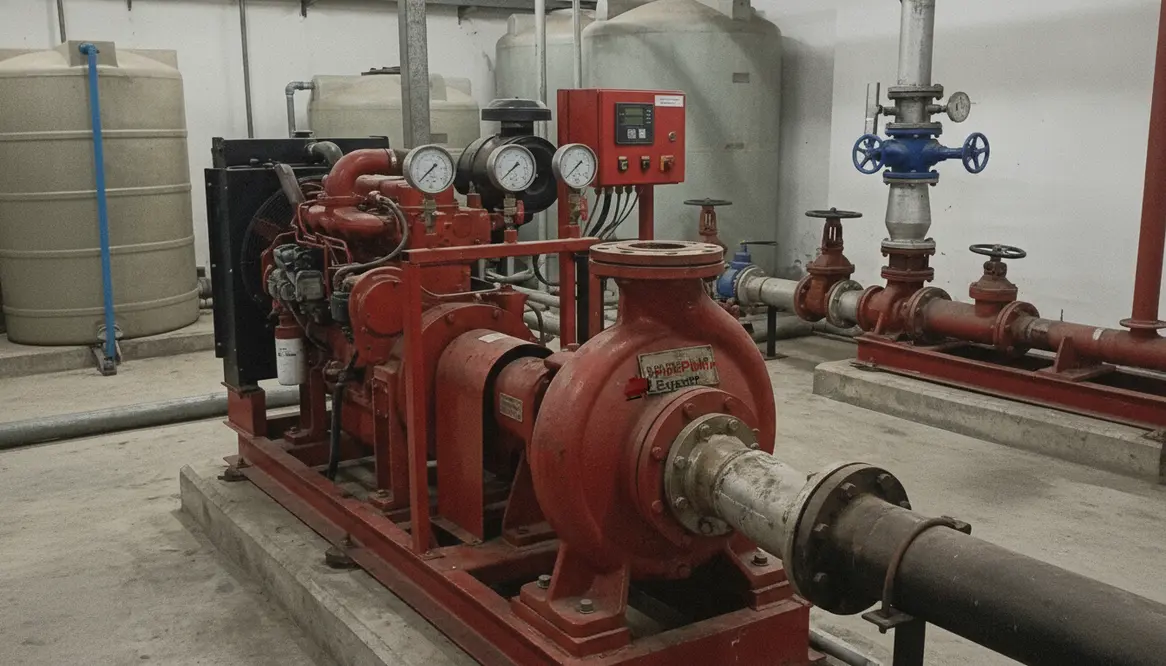
ISO Fire Pump Quality and Performance Guide
A practical, field-tested look at choosing, evaluating, and maintaining an ISO fire pump so it performs when the heat is on.
ISO fire pump quality and performance considerations
When I look at fire protection for commercial and industrial facilities, I do not treat the pump as just another box on the equipment list. The ISO fire pump plays a central role in making sure water gets where it must go, fast and with enough force to matter. That matters a lot more than most people think, because in a real fire, hesitation is not a strategy. It is a problem. So today, I will walk through the quality and performance points that help owners, engineers, and facility managers choose with confidence, not guesswork.
What makes a fire pump worth trusting?
I start with build quality, because if the pump body, driver, and controls do not hold up, performance will drift when pressure rises. First, I look at the materials used in the casing, shaft, and impeller. Strong materials resist wear, rust, and heat stress better over time. Next, I check the test records. A pump that only looks good on paper is like a movie trailer with all the best scenes in thirty seconds. It may impress you, but it still has to carry the full show.
In commercial and industrial buildings, I also pay close attention to the pump’s listed capacity and pressure range. The pump must match the sprinkler and standpipe demand, along with any extra losses from piping or height. If the pump is too small, the system will struggle. If it is too large, it can create its own set of headaches, like excess pressure and poor control. So, the goal is balance, not brute force.
Build quality checkpoints
- Casing materials that stand up to corrosion and pressure
- Shaft and impeller design that stays true at speed
- Factory test documentation that proves the curve, not just promises it
- Controls and drivers that match the ISO fire pump duty without strain
How do I judge real world performance?
Performance is not just a nameplate number. It is how the pump behaves under load, during start up, and across a range of flow demands. I want smooth operation, steady pressure, and reliable response when the system calls for water. Also, I want the pump to stay within its curve and avoid sharp drops that could hurt fire protection coverage.
Here is how I break it down in practice:
Key performance checks
- Flow rate: The pump must deliver the required gallons per minute for the facility design.
- Pressure rise: It should build enough pressure to support the full fire system network.
- Start up time: The pump should engage quickly and without delay.
- Stability: It should hold pressure without wild swings or vibration.
- Duty match: It must fit the building’s actual fire risk, not a wish list.
Moreover, I always look at vibration and noise. A pump that shakes too much can wear out parts early and create service costs no one invited. Nobody wants surprise maintenance. That is not a plot twist anyone enjoys, not even in a prestige drama.
Where do standards and testing fit in?
This is where the rules matter. For major properties and industrial sites, I want the pump selected and tested with strict fire protection standards in mind. Quality checks should cover factory testing, field setup, and regular inspection after installation. I also recommend using a trusted commercial fire pump resource for ISO rated systems when reviewing system options, because clear guidance can save time and reduce costly errors.
Testing should confirm more than just basic operation. Instead, it should prove that the pump can support the system under real demand. For example, I want proof that it can handle the needed flow while staying stable across the curve. I also want the controller, power source, and valves to work as one system. After all, a fire pump does not live alone. It has a whole support cast, and one weak actor can ruin the scene.
How ISO fire pump standards help
- They define minimum performance for flow and pressure.
- They formalize factory and field test procedures.
- They align the pump, controller, and power source into one coordinated system.
- They give owners and engineers a common language for expectations.
Facility factors that change the choice
Every site brings its own demands. A warehouse, data center, high rise, or manufacturing plant will each push the system in different ways. Therefore, I never treat the pump choice as a one size fits all move. I look at water supply, building height, hazard level, and how the fire system will run during peak use.
In the middle of that review, I often compare two paths side by side:
Site condition
- Water supply
- Building size
- Risk level
- Power backup
What I check
- Available pressure and flow from the source
- Height, length of piping, and pressure loss
- Hazard class and required fire demand
- Ability to keep the pump ready during outages
Also, I keep future growth in mind. A facility that adds floor space, storage, or heavier production later may need more from the same system. So, I plan ahead when possible. It is cheaper than redesigning the whole thing after the fact, which is about as fun as replacing a roof in the rain.
Matching the ISO fire pump to the building
A well-chosen ISO fire pump is sized so that the water supply, elevation changes, and hazard profile all line up with the pump curve. That way the system delivers enough water, at the right pressure, with room for realistic future changes without constant redesign.
How I protect long term reliability
Once the pump is installed, the work is not over. In fact, that is when the real discipline begins. I push for routine inspection, flow testing, seal checks, and control reviews. Small problems often show up early if someone actually looks. If nobody checks, those small problems can turn into big ones, and big ones like to show up at the worst possible time.
I also watch for signs of wear on the driver, bearings, and suction line. Then I review test logs to spot patterns, because repeated pressure drops or startup delays usually tell a story. Long term reliability depends on steady care, not luck. And luck, as we know, is not a maintenance plan.
Reliability habits that pay off
- Keep a clear log of all tests and inspections.
- Track changes in start up times and pressure readings.
- Inspect drivers, couplings, and bearings for early wear.
- Confirm that controls and alarms still match the original design intent.
FAQ
Conclusion
If you manage a commercial or industrial property, I recommend treating pump selection like a core safety decision, not a quick purchase. The right ISO fire pump supports pressure, reliability, and code compliance when it matters most. So, review the system carefully, test it well, and plan for the long term. If you want help evaluating your next fire pump project, take the next step now and build a safer, stronger facility with confidence.