Qatar Civil Defence Fire Pump Compliance Guide
A practical walkthrough of what I check, what usually fails, and how I keep fire pump systems ready for the one day they absolutely must work.
Why Qatar Civil Defence compliance matters for fire pumps
When I look at fire protection in a commercial tower or an industrial plant, I do not see a box to tick. I see a system that must work when everything else goes sideways. That is why Qatar Civil Defence compliance matters so much for fire pumps in major properties. It protects people, keeps operations steady, and helps a building avoid costly trouble.
In this guide, I will walk you through what I check, what usually fails, and how I keep a fire pump system ready for the day it is needed. Because in fire safety, hope is not a strategy, and “we’ll fix it later” sounds great until the alarm starts singing.
Quick snapshot for busy facility teams
- Check design and installation against real building demand
- Test pumps under realistic load, not just “start and stop” rituals
- Keep clean, accessible records for Qatar Civil Defence compliance
- Treat maintenance as part of business continuity, not a side job
What I check first in a fire pump system
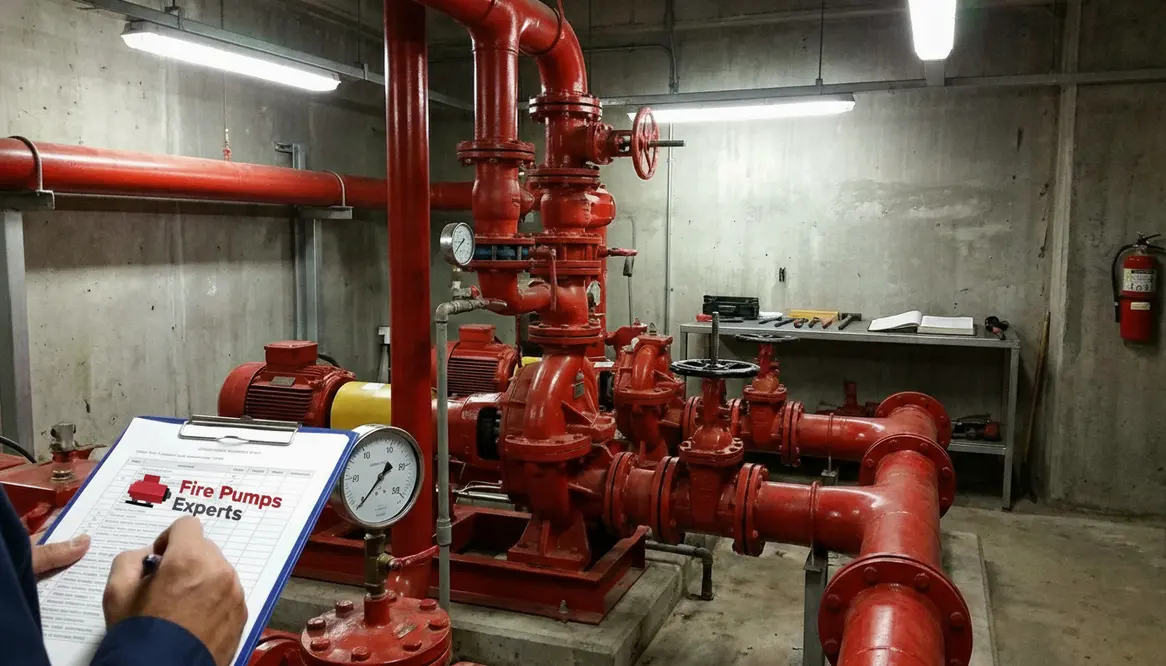
I start with the basics, because the basics are where most problems hide. A fire pump must match the building load, the water demand, and the pressure needs of the whole fire protection setup. In a commercial or industrial site, I verify that the pump room, suction line, controller, and power supply all support reliable operation.
I also check whether the pump has clear access and enough space for safe inspection. If workers need to squeeze past storage boxes, spare parts, or mystery debris from last year’s “temporary” project, the room is already in poor shape. A compliant setup should always support fast access, easy testing, and safe repair work.
Core quick checks I never skip
- Is the pump sized correctly for the building demand?
- Is suction piping straight, supported, and unobstructed?
- Is the controller protected from dust, heat, and clutter?
- Is the power source stable, with proper backup where needed?
- Can a technician move safely and quickly around all key components?
Qatar Civil Defence compliance for pump design and installation
In Qatar Civil Defence compliance, the pump design must fit the building use and fire risk level. That means I review the flow rate, pressure rating, backup power, and controller type against the site’s real needs, not wishful thinking. For major properties, I also make sure the fire pump connects properly to the sprinkler and hydrant network.
Installation quality matters just as much as the equipment itself. If the pipe layout creates air pockets, vibration, or weak suction, the pump may fail when it matters most. So I look for proper supports, good alignment, clean wiring, and the right valve arrangement. It is a bit like building a band. If one player is off, the whole performance sounds rough, and no one wants that during an emergency.
Design points I verify
- Pump capacity versus combined sprinkler and hydrant demand
- Pressure rating at the most remote and highest points
- Type and rating of the controller for the site conditions
- Backup power sizing and reliability
- Compatibility with tank and mains water supply
Installation flaws that worry me
- Suction lines with sharp bends or undersized sections
- Poor alignment between pump and driver
- Unlabeled valves that slow response during an incident
- Loose supports that invite vibration and fatigue
- Messy, exposed wiring near damp areas
How I test fire pumps in commercial and industrial sites
I never trust a fire pump just because it looks new. I test it. Then I test it again in the right way. Routine testing proves that the pump starts, runs, and delivers the needed pressure under load. I check the main pump, standby pump, jockey pump, and the automatic start system.
I also watch for signs that often point to trouble later:
- Pressure drops during startup
- Delayed pump response
- Unusual noise or vibration
- Leaks around joints, seals, or valves
- Fault messages on the controller
These signs may look small, yet they often point to bigger failures. Therefore, I treat them like early warning lights on a movie car chase. Ignore them, and the next scene gets expensive fast.
Testing approach that keeps audits calm
- Follow a fixed schedule with recorded readings
- Run pumps at different loads to catch hidden weaknesses
- Test automatic and manual starts from all relevant points
- Compare results against design figures and past data
- Log every anomaly, even if it looks minor today
What records I keep for inspection readiness
Good paperwork saves time, money, and stress. I keep a clear record of inspections, test results, maintenance dates, defects, and corrective actions. This helps me track repeat issues and show that the system stays under control.
I also make sure the building team can reach the same records quickly. During an audit, no one wants to search through random folders, email threads, and that one USB stick nobody admits owning. A clean record set supports Qatar Civil Defence compliance and helps prove that the site takes fire protection seriously.
Record types that make inspections smoother
- Design documents and latest approved drawings
- Commissioning reports with flow and pressure data
- Routine test logs with dates, results, and signatures
- Maintenance and repair reports with parts used
- Incident logs where pumps operated in real events
Qatar Civil Defence compliance checklist for major buildings
For commercial and industrial properties, I use a simple compliance checklist to stay focused. It helps me avoid missed steps and keeps the system aligned with the building’s fire safety plan.
Dual column checklist
Left column
- Confirm pump capacity and pressure
- Check controller condition and settings
- Inspect suction and discharge lines
- Verify power supply and backup source
- Test automatic and manual start functions
Right column
- Review valve position and labeling
- Check room ventilation and drainage
- Inspect for leaks, rust, and wear
- Record all tests and repairs
- Schedule the next inspection on time
This kind of routine keeps the system clean, predictable, and ready. More importantly, it reduces the chance of a surprise during an emergency, and surprise is not a friend in fire safety.
How I handle maintenance before small problems become big ones
Maintenance works best when I stay ahead of failure. I inspect seals, bearings, electrical parts, batteries, and control panels on a regular schedule. I also flush and clean parts when buildup affects performance. If a pump runs hot, struggles to start, or loses pressure, I do not wait for the issue to grow roots.
For large facilities, I treat maintenance as part of business continuity. A failed fire pump can stop approvals, damage operations, and create risk for everyone on site. So I focus on small corrections before they turn into costly delays. That approach keeps the system stable and the building team calm, which is a rare and beautiful thing on a busy workday.
Maintenance habits that support Qatar Civil Defence compliance
- Keep a fixed preventive maintenance calendar
- Add every finding and fix to the central record set
- Use original or approved spare parts wherever possible
- Train onsite teams to spot early warning signs
- Review maintenance trends during annual compliance reviews
FAQ
Conclusion
If you manage a commercial or industrial property, I recommend treating fire pump compliance as a live system, not a paperwork task. Start with a full review, fix weak points early, and keep every test on record. If you want a dependable path to Qatar Civil Defence compliance, now is the time to act. The best moment to protect a building is before the alarm, not after the smoke starts writing the script.