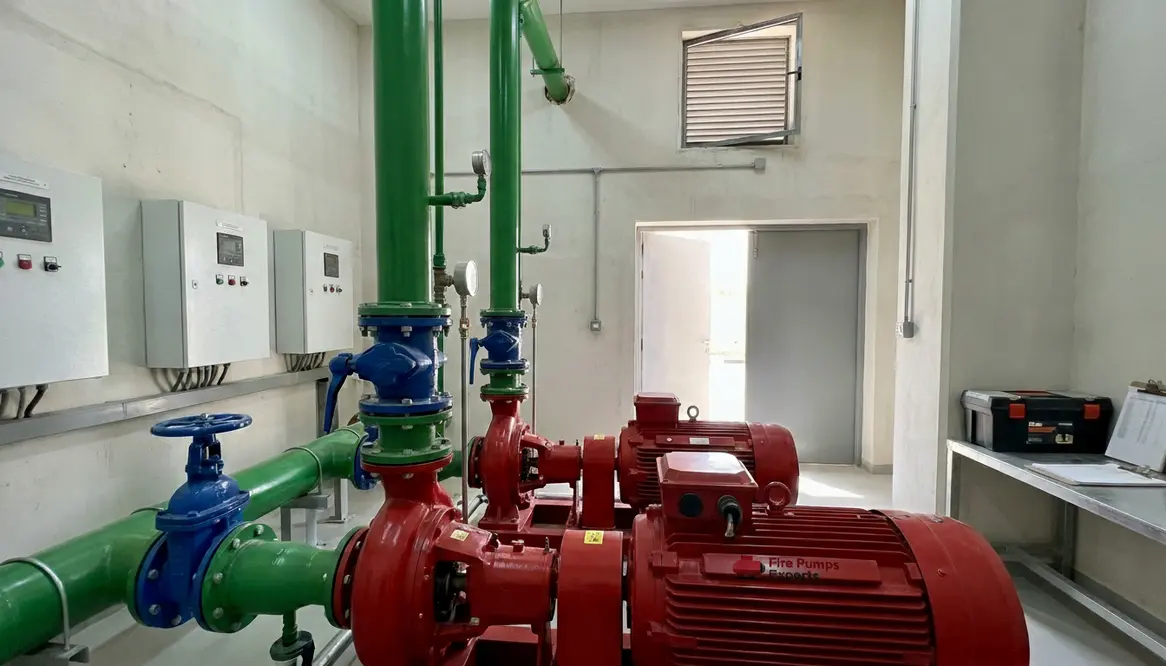
Qatar Fire Pump Room Requirements Guide
Qatar Fire Pump Room Requirements Overview
When I look at a commercial or industrial building in Qatar, I do not just see steel, glass, and a polished lobby that pretends to be calm during a fire drill. I see a system that must work when the pressure rises, literally. That is where the Qatar room for fire pump equipment comes in. This space protects the heart of the fire suppression setup, and if it fails, the rest of the system starts acting like a superhero with a flat battery. In Qatar’s demanding climate and strict safety environment, I always treat fire pump room design as a serious business, because it supports life safety, property protection, and code compliance all at once.
In this overview, I will break down the main requirements for fire pump rooms in Qatar, with a focus on commercial and industrial facilities, as well as major property buildings. I will keep it practical, direct, and useful, because no one needs a mystery novel when the subject is fire protection.
What I check first in a fire pump room design
I always begin with the basics: location, access, and separation. The fire pump room should sit in a secure area that fire fighters and maintenance teams can reach fast. At the same time, it should stay protected from flood risk, heat, and accidental damage. In many cases, I look for a dedicated room with proper fire rating, clear access doors, and enough space around the equipment for inspection and repair.
Then I check whether the room can stay cool and dry. Qatar heat does not play around. If the room overheats, pumps, controllers, and electrical parts can suffer. So I expect good ventilation or mechanical cooling, depending on the design. Also, the room should keep water out, because a fire pump room should not behave like a swimming pool. That would be a dramatic twist, but not a useful one.
Fire pump room requirements in Qatar for commercial sites
For commercial and industrial properties, the pump room must support reliability above everything else. I look for separate pumps for different duties when needed, such as a main fire pump, a jockey pump, and a backup power source. This setup helps maintain pressure and keeps the system ready without constant strain. In large buildings, I also make sure the room supports easy access for testing, since routine checks are not optional. They are the difference between confidence and chaos.
The room must also keep a safe distance from hazards. It should not share space with storage, work areas, or random building uses that make no sense for critical life safety equipment. I often tell clients that a fire pump room is not the place for leftover paint cans, old chairs, or that one box nobody wants to label. Clean, clear, and purpose built works best.
How I handle equipment layout and safety clearances
Inside the room, layout matters more than people expect. I keep enough clearance around each pump, controller, valve, and pipe connection so staff can inspect and service every part without a wrestling match. Good access reduces delay, lowers maintenance costs, and improves safety.
I also check the placement of gauges, alarms, isolation valves, and drainage points. Each item should be visible and reachable. If a technician has to crouch like a character in a spy movie just to read a gauge, the layout needs work. Furthermore, the floor should handle vibration and support equipment weight without cracking or shifting. Fire pumps do their best work when the room gives them a stable stage.
Fire pump room checklist for Qatar building owners
Here is the practical checklist I use for a strong fire pump room setup:
- Provide a dedicated room for fire pump equipment
- Keep clear access for maintenance and emergency response
- Maintain proper fire separation from other building spaces
- Control heat with ventilation or cooling
- Protect the room from water intrusion and flooding
- Allow enough space for pump, controller, and valve service
- Use reliable power and backup arrangements
- Keep lighting, signage, and alarms easy to see
- Support regular testing and inspection without disruption
Also, I always recommend checking the room against local authority expectations and the project fire strategy. Qatar projects often involve strict review, and that is a good thing. Safety rules may feel like extra homework, but the fire does not care about convenience. It only cares whether the system works.
Why power, testing, and maintenance matter so much
A fire pump room is only as strong as its power and maintenance plan. I pay close attention to primary and backup power because a pump that loses power during an emergency is just expensive metal with ambition. For critical sites, the backup source must start fast and support the fire system under real conditions.
Routine testing matters just as much. I advise owners and facility teams to keep a clear test schedule, record results, and fix small issues before they grow teeth. In commercial towers and industrial sites, I also stress trained staff, because the room should not depend on guesswork. Consistent maintenance protects uptime, extends equipment life, and keeps the building ready for inspection.
For teams that need deeper support, I often point them to a trusted fire pump room design and compliance resource for Qatar commercial facilities, especially when the project includes large properties or industrial operations that need expert alignment with safety goals.
Qatar room compliance questions I answer often
When clients ask me about the Qatar room setup, they usually want to know what matters most in real life. So I keep my answers simple and useful.
- Does the room need to be dedicated? Yes, for critical fire pump equipment, a dedicated room is best.
- Should I worry about heat? Absolutely. Heat control is essential in Qatar.
- Can I store other items in the room? No. Keep the room clear and purpose built.
- Do I need regular testing? Yes. Testing confirms the system will work when needed.
- Is access important? Very. Fast access helps both emergency response and maintenance.
Making the Qatar room work in real buildings
Every Qatar room layout has to answer the same questions: can the team reach it quickly, can it keep equipment protected from heat and water, and can it survive long enough during an emergency to keep the system alive. I walk through these conditions with owners and operators so they understand why each design decision shows up on the drawings and on site.
That includes practical topics such as door width for bringing in new pumps, space to replace valves and strainers without cutting pipes out of frustration, and clear labeling so a new technician can understand the layout at a glance. When the Qatar room supports safe movement, clean routing, and clear visibility, every inspection becomes smoother, and every emergency response becomes faster.
Final thoughts and next step
If I want a fire pump room to do its job, I design it with discipline, keep it clear, and test it often. In Qatar, that approach matters even more because heat, building scale, and strict safety demands raise the stakes. If you manage a commercial or industrial property, now is the time to review your setup and close the gaps before they become problems. Reach out, assess your room, and build a system that stays ready when it counts.