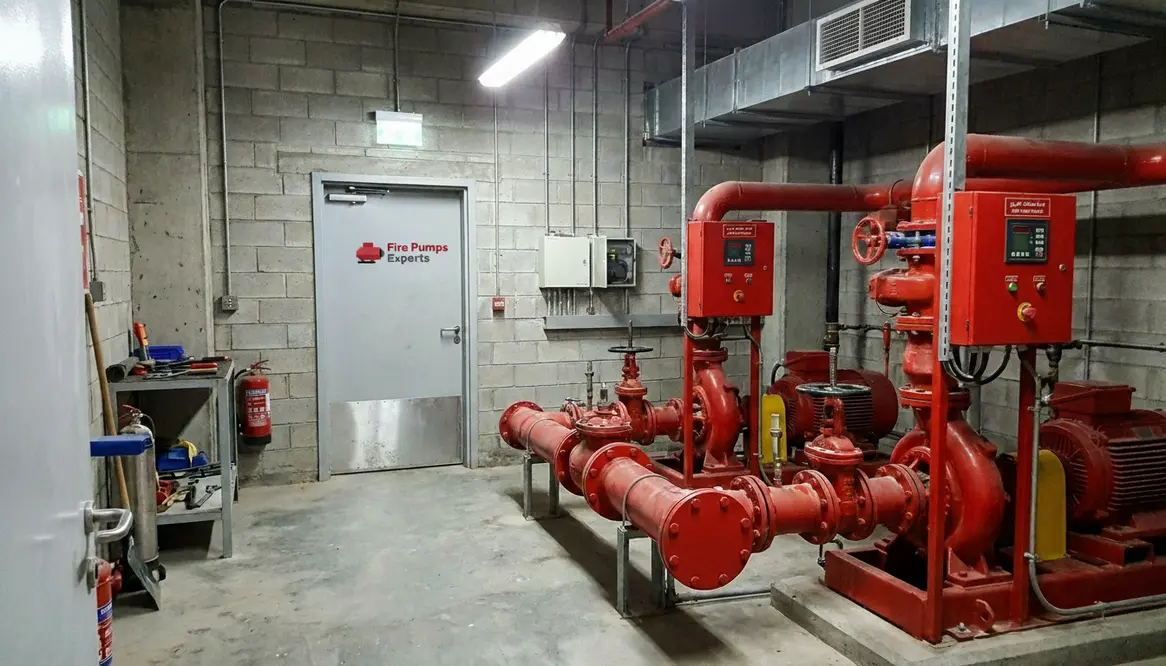
Saudi Fire Pump Room Requirements Guide
A practical, field-tested guide to turning the most overlooked room in the building into the one that quietly saves the day.
Saudi Fire Pump Room Requirements Overview
I have spent enough time around commercial sites and major properties to know one thing: the fire pump room is never the glamorous part of a building. Yet, when trouble shows up, this room becomes the quiet hero in the back of the building, doing the heavy lifting while everyone else pretends they always cared about compliance. In a Saudi room built for fire pump equipment, every detail matters. From layout and access to ventilation and power, the rules shape how well the system performs when seconds count. So, I will walk through the core requirements in a way that is practical, clear, and useful for anyone managing a commercial or industrial facility.
What a Fire Pump Room Must Do in Saudi Projects
I always start with function. A fire pump room must protect the fire pump, controller, and related equipment, while also keeping the system ready for instant operation. In Saudi commercial and industrial properties, this space must support reliable water flow during an emergency. Therefore, the room needs enough space for safe inspection, routine service, and fast repair work. I also look for direct access, since a locked or awkward room can slow responders when every second feels like a season finale.
In practice, the room should stay separate from storage, production, and unrelated mechanical areas. It should not double as a catch all closet for boxes, paint, or that one forgotten chair nobody claims. That sounds obvious, but it happens more often than people admit. The room must also stay dry, secure, and easy to reach. If the fire pump room cannot do its job without drama, then it is already failing its purpose.
Saudi Room Layout, Access, and Safety Basics
Access That Works Under Pressure
I focus on access first, because access saves time and lives. The room should allow clear entry for maintenance staff and emergency crews. Doors should open easily, and the path to the room should remain free from clutter. Likewise, the floor area must support safe movement around all sides of the pump set. This helps with inspection, testing, and replacement work later on.
A Saudi Room That Stays Safe to Work In
I make sure the room supports safe working conditions. Good lighting, proper drainage where needed, and enough clearance around equipment all help reduce risk. Also, the room should remain separated from hazards that could damage the pump or controller. In short, the space must work like a disciplined team member, not like a plot twist in a bad movie.
Key Layout Checks at a Glance
| Area | What I check |
| Entry | Easy access, clear approach, secure door |
| Space | Room for service, testing, and safe movement |
| Floor | Strong, level, and able to handle equipment load |
| Protection | No storage, no leaks, no heat trouble |
Saudi Fire Pump Room Requirements for Power, Water, and Ventilation
Power That Stays Ready
Now we get to the part that actually makes the system useful. A fire pump room must keep the pump fed with water, supported by reliable power, and cooled well enough to protect the equipment. In many commercial and industrial facilities, the pump room includes electric, diesel, or combined setups. Each setup needs careful planning. For example, diesel units need fuel support and ventilation, while electric systems need stable power supply and proper controller protection.
I also look at power reliability. The controller and related electrical parts must stay protected from damage and must remain ready for emergency use. When a facility depends on continuous operation, backup planning is not optional. It is the difference between readiness and regret.
Ventilation, Heat, and Water Supply
Ventilation matters more than many owners expect. Heat buildup can hurt performance, and a fire pump room that runs hot can age equipment early. Therefore, I check airflow, room temperature control, and exhaust handling where needed. Water supply also needs attention. The pump must connect to a dependable source that can support fire flow demands. If the supply fails, then the entire room becomes a very expensive silent witness.
If you are responsible for a Saudi room that supports critical fire pumps, it is your job to make sure the power stays reliable, the water supply stays dependable, and the air in the room does not slowly cook the very equipment you rely on.
How I Approach Inspection, Maintenance, and Compliance
Turning Inspection into a Habit
I treat inspection as a habit, not a crisis response. A proper fire pump room needs regular checks for leaks, vibration, corrosion, control faults, and blocked access. It also needs testing based on the facility’s risk level and the applicable code requirements. Because commercial and industrial sites face heavy use, I pay close attention to wear and tear. Machines do not complain like people do, so I watch for the small signs before they become large problems.
Compliance, Records, and Real-World Proof
Compliance also means documentation. I keep service records, test results, repair notes, and inspection logs in order. That way, I can track issues and prove the room stays within required standards. For deeper guidance, I recommend reviewing the Saudi fire pump room compliance resource for commercial facilities as a useful external reference for larger properties and industrial sites. It helps connect technical design with real world operational needs.
A Simple Three-Step Routine
- First, I verify the room condition and equipment status.
- Then, I confirm that the pump can operate without delay.
- Finally, I document anything that needs repair or improvement.
That routine keeps the room ready and keeps surprises to a minimum. And honestly, in fire protection, surprises are best left to birthday parties.
If you are responsible for more than one Saudi room across a site or portfolio, using the same inspection habit everywhere is one of the easiest ways to raise your overall level of protection.
Frequently Asked Questions
Conclusion
I take fire pump room requirements seriously because they protect people, property, and operations in the real world. If you manage a commercial building, industrial plant, or major property, now is the time to review your fire pump room setup with care. I recommend checking access, ventilation, power, water supply, and maintenance records right away. If you want a safer, stronger, and more compliant facility, start with the room that keeps the whole fire system alive.
Treat every Saudi room you are responsible for as the backbone of your fire protection strategy, not as a forgotten corner of the building. When that mindset shifts, the design, operation, and care of the pump room usually follow.