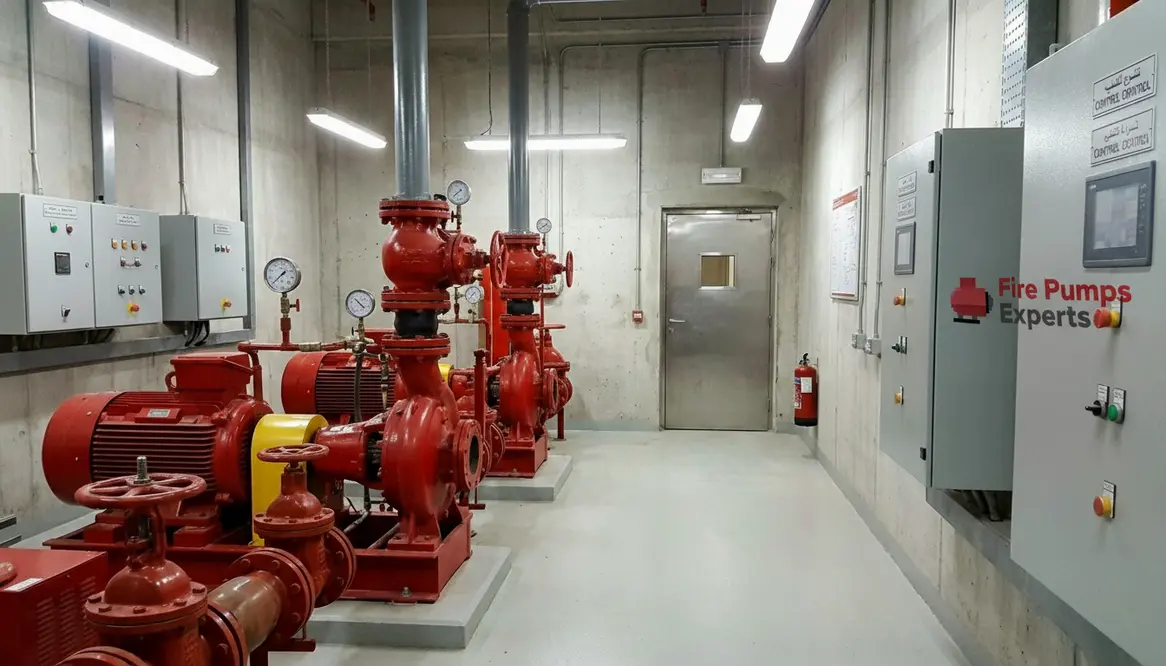
Kuwait Fire Pump Room Requirements Guide
A fire pump room should never be the forgotten backroom of a shiny project. In Kuwait, it is a core safety asset, and the way it is designed, built, and maintained directly affects how well a building will respond when something actually goes wrong.
Kuwait fire pump room requirements overview
I have seen plenty of building plans that look polished on paper, and then the fire pump room shows up like the one crew member who forgot the script. In Kuwait, that room matters a lot. It supports fire protection for commercial towers, industrial plants, warehouses, and major properties, so I treat it as a serious part of the safety system, not a box in the basement that nobody wants to visit. In this guide, I will walk through the key Kuwait fire pump room requirements, and I will keep it practical, clear, and useful for anyone managing a fire pump room in a real building, not a fantasy one from a superhero movie.
Why the Kuwait room for fire pumps is a big deal
Think of the Kuwait room that holds your pumps as the command center for water-based fire protection. If it fails, the sprinklers and hydrants lose their edge. If it works, the rest of the system can actually do what it was designed to do.
So while other rooms may chase sleek finishes and trendy lighting, the Kuwait room for fire pumps chases reliability, access, and compliance. That is where real protection begins.
What a fire pump room in Kuwait must do
I always start with the job of the room itself. A fire pump room stores and protects the equipment that supplies water pressure to the fire sprinkler and hydrant system. Because of that, it must stay ready at all times. In Kuwait, commercial and industrial sites need a room that stays dry, secure, easy to reach, and built for emergency use.
The room must support fast access for inspection and emergency response. It also needs enough space around the pumps, controllers, valves, and accessories so technicians can work safely. If a room feels cramped, it usually creates delays later. And during a fire event, delays are the enemy. They are the villain in this episode.
How I check Kuwait fire pump room layout and access
When I review a fire pump room, I look at access first. The room should sit in a location that emergency teams can reach without trouble. It should not hide behind storage, locked clutter, or a maze that feels like a level from an old video game. I also make sure the path to the room stays clear.
Key access and layout checks
- A direct and safe entry path for maintenance crews and responders
- Enough space to remove or service equipment
- Clear doors that open without obstruction
- Proper room size for the pump set and support gear
- Good visibility for labels, valves, and controls
In addition, I always look at how the room connects to the rest of the building. A good fire pump room should support operations without becoming a risk itself. That means no storage, no random tools, and no “temporary” boxes that somehow live there forever.
Quick reference: room expectations
| Area | What I expect |
| Access | Fast, clear, and secure entry |
| Space | Room for service and inspection |
| Layout | Easy movement around equipment |
| Use | Fire equipment only |
Which equipment and safety features belong in the room
A proper Kuwait fire pump room usually holds the main fire pump, jockey pump, controllers, valves, gauges, and related pipework. In many commercial and industrial projects, I also expect backup support features that help the system stay reliable. The exact setup depends on the building design, but the goal stays the same: steady water pressure when the fire system demands it.
Core fire pump equipment
- Main fire pump
- Jockey pump
- Pump controllers
- Isolation and control valves
- Pressure gauges and meters
- Associated suction and discharge pipework
Essential safety features
- Adequate and reliable lighting
- Ventilation suited to the equipment
- Drainage where needed to handle leaks
- Protection from excessive heat or flooding
- Clear, durable signage and labels
- Logical, organized layout of controls
If people cannot identify equipment quickly, then the room is not doing its job well.
Also, I always remind clients that the fire pump room is not the place for “just one extra shelf.” That shelf always turns into a storage empire. Then the room starts serving forklifts, boxes, and spare office chairs instead of life safety equipment. Not ideal.
Why compliance, testing, and maintenance matter
I never treat compliance as paperwork for the drawer. In Kuwait, fire pump room requirements connect directly to building safety, approval processes, and system performance. That means the room must follow the right fire protection standards, local authority rules, and project specifications for commercial and industrial facilities.
Regular testing keeps the system honest. I check pump operation, pressure levels, controller performance, and alarm functions on a routine basis. In addition, I review signs of wear, leaks, vibration, corrosion, and blocked access. A fire pump room can look calm and clean, and still hide a problem under the surface. That is why testing matters. Calm on the outside does not always mean calm on the inside. Ask any thriller plot ever written.
Maintenance also helps extend equipment life. More importantly, it protects the whole building. If a pump fails, the sprinkler and hydrant system may not deliver the pressure needed during an emergency. For major properties, that risk is simply too high to ignore.
How I approach inspection for commercial and industrial properties
When I inspect a fire pump room for a commercial tower, warehouse, factory, or other major property, I follow a simple rule: the room must be ready before the emergency, not after it. I look at the condition of the room, the state of the equipment, the access route, and the supporting systems. Then I compare what I see with the project needs and local requirements.
The best results usually come when the owner, consultant, contractor, and maintenance team all stay aligned. That way, the room stays functional, safe, and easy to manage. A strong fire pump room does not need drama. It needs discipline, planning, and regular care. That sounds less glamorous than a movie climax, but it saves real property and real lives.
If your Kuwait room for fire pumps already feels squeezed, cluttered, or vaguely mysterious, that is usually a signal that standards and responsibilities need a closer look.
FAQ: Kuwait fire pump room essentials
Below are straight answers to common questions that come up when dealing with a Kuwait fire pump room in real projects.
Conclusion: treat the pump room like a priority, not an afterthought
A well-designed Kuwait fire pump room is not glamorous, but it is one of the most important rooms in a serious commercial or industrial property. It keeps the heart of the water-based fire protection system protected, accessible, and ready to respond when needed.
If you focus on clear access, enough working space, the right equipment, and disciplined testing and maintenance, your Kuwait room for fire pumps will support the rest of the fire protection strategy instead of quietly weakening it. That is the difference between a room that simply exists on a drawing and a room that actually performs when the alarms sound.
Need help with a Kuwait fire pump room for your commercial or industrial property? I can help you review the setup, improve compliance, and keep the system ready for real emergencies. Contact a qualified fire protection team today, and make sure your building gets the protection it deserves before trouble arrives.