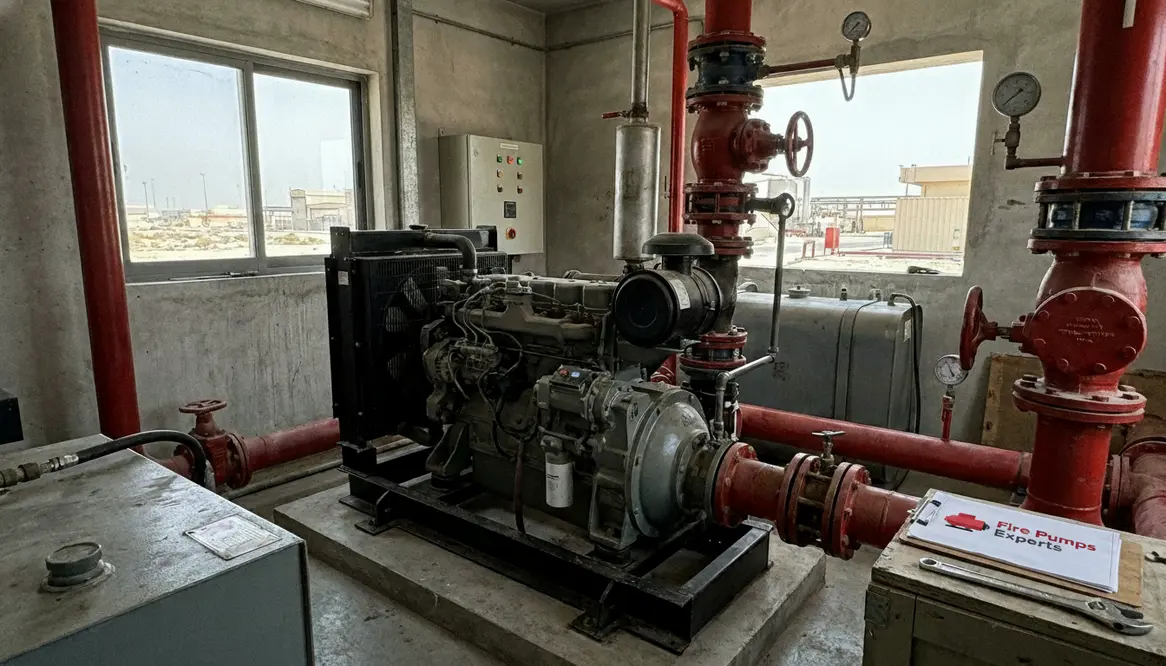
Bahrain Fire Pump Requirements Guide for Compliance
Bahrain Fire Pump Requirements Explained
When I look at fire protection in Bahrain, I see one thing very clearly: a fire pump is not a luxury, it is a lifeline. For commercial and industrial facilities, major property buildings, and large sites with serious risk, the Bahrain requirements for fire pumps shape how a system must perform when pressure drops and seconds matter. And yes, this is the part where nobody wants drama, but the pump still has to show up like the hero in a movie. In this guide, I will walk through the main rules, the practical checks, and the details that matter most for compliance and safety.
What the Bahrain requirements mean for my fire pump system
In simple terms, Bahrain requirements focus on making sure the fire pump can deliver steady water flow at the needed pressure during an emergency. I always treat the pump as the heart of the system. If the heart skips, the whole setup starts acting like a tired action sequel. For large commercial and industrial sites, the pump must match the building’s fire risk, water demand, and system design.
The main idea is this: the pump should support sprinklers, hydrants, hose reels, and any other fire protection equipment that the site uses. Therefore, I need to verify the water source, the pump capacity, and the pressure rating before I even think about final approval. If the building serves many people or stores valuable assets, the system becomes even more important. Safety rules do not care about excuses, and honestly, neither does fire.
How I check fire pump size, pressure, and flow
When I size a fire pump, I start with the system demand. That means I check how much water the building needs and how much pressure the system must hold. Then I compare that with the water supply. If the supply falls short, the pump has to make up the gap. Simple math, serious consequences.
I also look at the following:
What I check
- Required flow rate
- Pressure at the highest or farthest point
- Water source reliability
- Backup power or diesel support
- Control panel and alarm setup
Why it matters
- It shows the pump can meet demand
- It proves the system reaches all protected areas
- It keeps the pump ready during a utility issue
- It helps the system stay active in an outage
- It gives clear fault and status signals
Because Bahrain requirements for fire pumps focus on real performance, I never treat sizing as guesswork. In fact, a pump that looks strong on paper but fails under load is just an expensive paperweight with a nameplate. Nobody wants that kind of surprise.
Why installation details matter in Bahrain requirements
Even the best pump can fail if the installation is sloppy. That is why I pay close attention to the pump room, the piping layout, the valves, and the accessibility around the unit. The pump needs enough space for maintenance and emergency access. It also needs proper ventilation, drainage, and lighting. After all, a fire pump room should not feel like a storage closet from a forgotten sitcom.
I also check suction piping and discharge piping. Poor pipe layout can cause vibration, air pockets, or pressure loss. As a result, the system may not respond as expected when pressure drops. I want the pump to start fast, run smoothly, and keep steady output. The control panel must also sit in a safe and reachable place, because when trouble hits, people do not want to play hide and seek with critical equipment.
How I handle testing, maintenance, and records
Once the system is in place, testing becomes the real truth teller. I never trust a fire pump just because it looks polished. I test it. Then I test it again. Then I keep records, because good paperwork saves headaches later. That is the grown up version of “trust, but verify.”
Regular checks should cover start up, pressure output, flow performance, alarms, and power supply. In addition, the pump should receive routine maintenance so small issues do not grow into costly failures. I look for leaks, worn parts, abnormal noise, and signs of corrosion. If the site uses a diesel pump, I also review fuel condition and battery health. These small details matter more than most people think, and they usually matter right before the worst possible moment. Funny how that works.
If I need deeper guidance, I can also use trusted resources such as https://firepumps.org/ to align the system with the right standards for large properties and industrial sites. That kind of reference helps me stay focused on the right scope and avoid mistakes that waste time and money.
My practical checklist for major property buildings
For major property buildings and industrial sites, I follow a simple order. First, I confirm the building’s risk level and water demand. Next, I review the pump type and size. Then I check installation quality, controls, and power support. After that, I verify testing and maintenance records. Finally, I make sure the system stays ready for inspection at any time.
That process keeps the project clean, compliant, and far less stressful. And let us be honest, in fire protection, calm is good. Calm means no surprises, and no one wants surprises when water pressure is on the clock.
Bahrain requirements in everyday practice
In my day-to-day work, Bahrain requirements shape how I review every part of a fire pump system, from suction piping to backup power. They are the reference point when I decide whether a design is acceptable or needs changes before sign-off.
They also guide how I explain decisions to owners and operators. When I recommend a larger pump, a stronger power backup, or a cleaner installation layout, I am not just being picky. I am aligning the system with Bahrain requirements so that it performs when lives, assets, and operations depend on it.
That is why I always keep Bahrain requirements in mind at design review, installation checks, and annual testing. They keep the conversation focused on performance, reliability, and readiness instead of shortcuts that may fail when pressure drops.
FAQ
Conclusion
If I want a fire pump system that truly supports safety, I need to follow Bahrain requirements with care, not guesswork. The right size, the right installation, and the right maintenance plan all work together to protect major commercial and industrial properties. So, if I am planning a new system or checking an existing one, I should review the full setup now, correct weak points early, and make sure the pump is ready before anyone needs it.