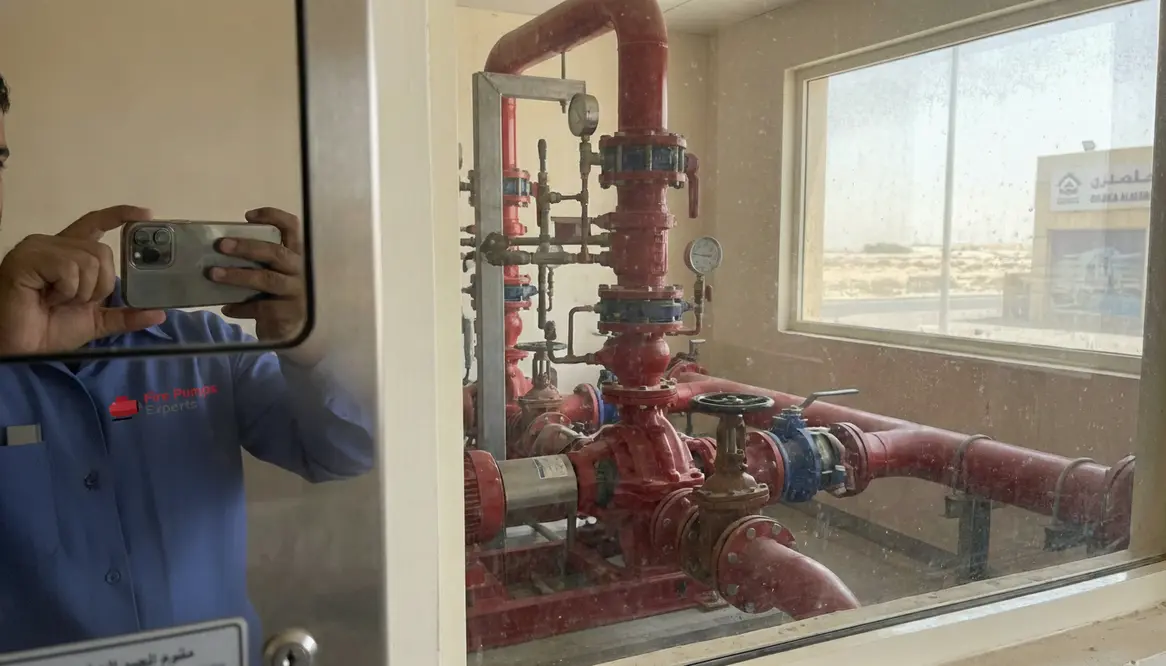
Kuwait Fire Pump Compliance Guide for Facilities
When I look at Kuwait compliance for fire pump systems, I see more than a rulebook. I see the quiet backbone of safety in commercial and industrial buildings. A fire pump does not ask for attention on a normal day. However, when pressure drops and water has to move fast, it becomes the kind of equipment that can save a business, a plant, or a major property from a very bad day. And yes, this is the part where the boring stuff suddenly matters more than the office coffee machine.
In this guide, I will walk through the key points I check for fire pump compliance in Kuwait, how facilities can stay ready, and why smart planning keeps both inspectors and operations happy. I will keep it practical, clear, and focused on commercial and industrial properties only.
Why fire pump compliance matters in Kuwait facilities
I treat fire pump compliance as a safety system, not a paperwork exercise. In Kuwait, major properties face real fire risk because of heat, fuel load, electrical rooms, storage areas, and nonstop operations. Therefore, the fire pump must deliver the right pressure and flow when the sprinkler or hydrant system needs support.
Moreover, compliance protects more than people. It helps reduce downtime, property loss, insurance trouble, and legal headaches. Nobody wants to explain a failed pump test after an incident. That conversation has the charm of a broken elevator on a Monday morning.
For commercial and industrial sites, I always start with three things: design, installation, and maintenance. If one of them slips, the whole system can wobble.
Kuwait compliance as a strategic advantage
When a facility treats Kuwait compliance as a core part of operations, it gains more than a stamp of approval. Strong systems keep occupants safe, keep production lines running after minor incidents, and give owners more confidence during expansions or audits.
In high-value sites, a reliable fire pump is a quiet insurance policy that works alongside sprinklers, hydrants, and emergency response plans.
Kuwait compliance checklist for fire pump systems
Here is the core list I use when reviewing a facility fire pump setup in Kuwait:
Design and capacity
The pump must match the building demand. I check the required flow, pressure, and backup support based on the site risk and system type. For Kuwait compliance, the pump should serve both current use and any realistic future expansion without struggling at peak conditions.
Approved equipment
I look for pumps, controllers, engines, and accessories that meet recognized fire safety standards and local authority needs. Labels, nameplates, and documentation should be easy to verify. The more unusual the equipment, the more carefully I read the approvals.
Power source
The facility must have a reliable main power supply and, where needed, a backup source. If the pump loses power during a fire, that is not a plan. That is a plot twist. I confirm automatic transfer, fuel availability, cable routes, and protection of critical power components.
Testing records
Weekly, monthly, and annual test logs must stay current. These records show that the system works and that the facility treats safety as a real process. I look for clear trends, repeated faults, and any gaps that might cause trouble during a Kuwait compliance review or after an incident.
Access and room conditions
The pump room must stay clear, dry, secure, and easy to reach. I also check ventilation, lighting, drainage, and temperature control. Any storage that blocks valves, panels, or safe movement earns a note on my report.
Maintenance schedule
Valves, gauges, bearings, fuel levels, batteries, and controllers all need regular care. A pump that never gets serviced is like a superhero with a missing cape. A clear maintenance plan supports Kuwait compliance and keeps the system dependable when it truly counts.
How I review Kuwait fire pump installation in major buildings
Installation quality can make or break performance. First, I check whether the pump sits on a stable base and aligns correctly. Then I review piping, suction conditions, discharge lines, and vibration control. Poor installation can cause air leaks, cavitation, heat stress, or weak pressure.
Next, I look at controller wiring and signal links. The fire pump must start when the system needs it. Also, alarms and fault signals should reach the right team fast. In a large facility, delays spread faster than office gossip.
Here is a simple view of what I focus on during installation review:
Mechanical side
- Base support
- Suction layout
- Discharge piping
- Valve placement
Operational side
- Controller setup
- Alarm function
- Power backup
- Test start response
Because both sides matter, I never treat installation as a one step task. Instead, I check how the entire setup works as one system and whether it still satisfies Kuwait compliance expectations after modifications, tenant changes, or equipment upgrades.
Inspection and testing for Kuwait compliance
Inspection keeps the system honest. I believe a fire pump should prove itself before anyone needs it for real. Regular flow tests show whether the pump still delivers the pressure and volume the building depends on. Also, no flow test should be treated like background noise. It tells a very real story.
I also review churn tests, alarm checks, controller starts, and power transfer tests. In addition, I verify that the facility keeps clear reports for internal teams and inspectors. Good records make audits smoother and help spot slow problems before they become expensive ones.
If a facility wants stronger guidance, I often point teams to a trusted commercial fire pump compliance resource for deeper support on systems built for large properties and industrial use.
How facilities keep fire pump systems ready year round
Readiness depends on routine, not luck. I always advise facilities to assign one responsible team member or vendor to monitor the system. That person should track inspection dates, service notes, fault alerts, and fuel or battery condition.
Furthermore, staff training matters. The people on site should know where the pump room is, how the alarm behaves, and who to call if a fault appears. I like to say that a compliant system with confused staff is still a risk.
Practical habits for pump readiness
- Monthly visual checks for leaks, noise, and heat
- Weekly start tests and gauge review
- Quarterly service for key parts and controls
- Annual full load testing and report review
These habits support Kuwait compliance and make surprise inspections much less stressful. More importantly, they keep the fire pump trusted, not just installed.
FAQ
Conclusion
If I had to sum it up, I would say this: strong fire pump compliance in Kuwait starts with the right design, careful installation, and steady maintenance. For commercial and industrial facilities, that mix protects people, property, and business continuity. So, if your building has not reviewed its system lately, now is the time to act. Check the records, test the pump, and bring in expert support before a small issue becomes a very loud one.