Malaysia BOMBA Fire Pump Compliance Guide
A practical walk-through of how to keep commercial and industrial fire pumps ready, compliant, and fit for real-world emergencies.
Malaysia BOMBA Fire Pump Compliance Guide for Commercial and Industrial Buildings
When I talk about BOMBA compliance, I am not talking about paperwork for the sake of paperwork. I am talking about the fire pump system that stands ready when a building needs it most. For commercial and industrial facilities, and for major property buildings, this is not a box to tick and forget. It is part of life safety, business continuity, and plain common sense. If a fire pump fails, the whole system can stumble. And nobody wants that kind of plot twist on a Tuesday morning.
In Malaysia, I always treat BOMBA requirements as a serious part of facility management. The rules may seem dry at first, but they protect people, assets, and operations. So, I will walk through what matters, how I approach compliance, and what building owners should check before trouble shows up wearing steel boots.
What BOMBA expects from a fire pump system
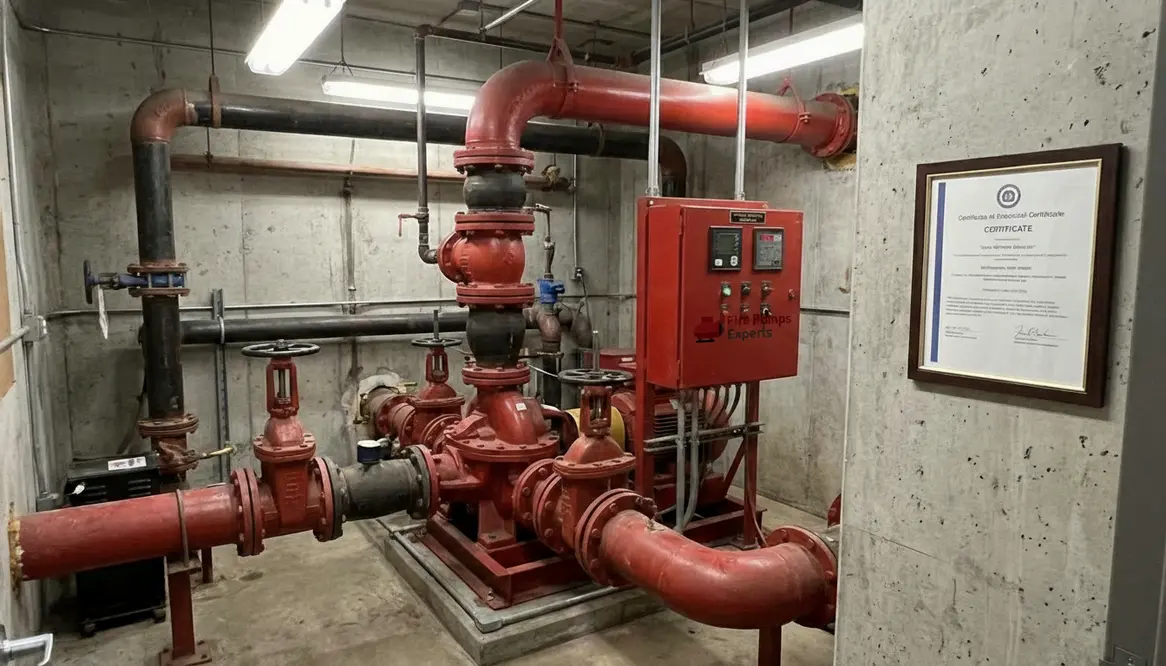
First, I focus on the basic job of the fire pump: it must deliver water at the right pressure and flow when the fire protection system calls for it. For commercial and industrial sites, that means the pump must support sprinklers, hydrants, hose reels, and other connected fire systems without drama. BOMBA wants the system to work as designed, and that includes the pump, driver, control panel, suction source, valves, piping, and alarms.
Next, I make sure the system matches the building risk. A warehouse, a factory, and a high rise commercial tower do not face the same fire load. Therefore, the pump sizing, duty rating, and backup arrangement must fit the property use. If the system is undersized, it may look fine on paper but fail in real life. That is the kind of surprise nobody invites.
BOMBA compliance for fire pumps also means the installation reflects recognised standards, local codes, and the project’s approved design. The more closely the installed system follows those expectations, the smoother the approval and inspection stages become.
How I check BOMBA fire pump compliance step by step
1. Compare design vs reality
I start with the design documents. Then I compare them against the installed system. This is where reality often enters the room and clears its throat. The drawings may say one thing, while the site tells a different story. I look at the pump capacity, motor or diesel driver, controller setup, suction tank or water supply, and pipe arrangement. I also confirm that the pump room has proper access, ventilation, drainage, lighting, and safe spacing for maintenance.
2. Test performance and control
After that, I review testing records. A fire pump should not live on hope. It should have proof. Regular churn tests, flow tests, and inspection logs help show that the pump still performs as required. I also check alarm signals, automatic start functions, and standby arrangements. If the main pump fails, the backup should step in without acting like it forgot its lines.
Throughout this process, BOMBA compliance stays at the center of the checklist. I confirm that each adjustment, replacement, or upgrade keeps the system aligned with Malaysian fire safety expectations rather than just fixing the immediate symptom.
BOMBA compliance checklist for building owners
Here is the practical checklist I use. It keeps everyone focused on the essentials instead of getting lost in technical fog.
Dual column reference
Area | What I verify
System design | Correct pump sizing, pressure, and flow
Power source | Reliable electric or diesel backup supply
Pump room | Safe access, ventilation, drainage, and lighting
Checks that keep pumps honest
Controls | Auto start, alarms, and fault indication
Water supply | Adequate tank level or suction reliability
Testing | Logs for routine checks and performance tests
Maintenance | Service records, repairs, and corrective actions
Readiness | No leaks, no blocked valves, no hidden issues
Then I look at the bigger picture. A compliant pump system does not stand alone. It must work with the rest of the fire protection network. So, I check the hydrant system, sprinkler system, fire alarm links, and emergency power supply. If one part fails, the whole chain weakens. That is why I prefer to treat the fire pump as the heart of the system, because if the heart skips a beat, the rest of the body feels it fast.
Why testing and maintenance matter for BOMBA approval
Turning a static pump room into a proven system
Testing is where compliance becomes real. A fire pump may look impressive in a plant room, but it must prove itself under pressure. I make sure testing follows a routine schedule, and I pay close attention to abnormal noise, vibration, heat, fuel issues, electrical faults, and pressure drop. These signs often show up before a full failure. In other words, the pump usually whispers before it screams.
Why small faults turn into big problems
Maintenance matters just as much. Bearings wear out, couplings loosen, batteries weaken, and valves can stick. Over time, small faults become expensive ones. So, I always recommend planned maintenance for commercial and industrial facilities, especially where downtime can hurt operations. A good maintenance record also supports BOMBA inspections and internal audits. It shows the system has not been left to age like a forgotten prop from an old sci fi movie.
Consistent testing and maintenance are where BOMBA compliance stops being a yearly worry and becomes part of normal operations. When records, reports, and corrective actions are in order, inspections tend to focus on fine-tuning rather than firefighting paperwork.
How I prepare for inspection and keep records clean
Building a file that can answer questions before they are asked
When inspection time comes, I keep the file neat and complete. I include commissioning reports, service logs, test results, corrective actions, and any upgrade details. I also make sure site staff know where the pump room is, how the alarm works, and who to call when something sounds off. Clear records save time, reduce stress, and help prove the system stays ready.
Using external support without losing control of your system
I also suggest using a trusted source for fire pump support. For example, you can review commercial fire pump compliance services for industrial and major buildings as a useful reference for site focused guidance. That kind of support helps owners stay aligned with BOMBA expectations without turning the whole process into a detective drama.
For many sites, the most effective strategy is to treat BOMBA compliance as an ongoing partnership between the building team, service providers, and the approving authority. Everyone sees the same records, the same test results, and the same upgrade plan, which keeps surprises to a minimum.
FAQ
Final thoughts and next step
If you manage a commercial or industrial property, I suggest you treat fire pump compliance as a standing priority, not a one time task. Review your system, test it properly, and keep your records tight. If your pump room needs a closer look, now is the time to act. A solid compliance plan protects people, supports operations, and keeps your building ready when it matters most. And that is the kind of backup every serious property should have.
In the end, BOMBA compliance is not just about passing an inspection. It is about running a building where the fire protection system is treated with the same respect as production lines, data centers, or high-value tenants. When the pump starts on cue, the alarms behave, and the records match what is on the floor, everyone sleeps better.