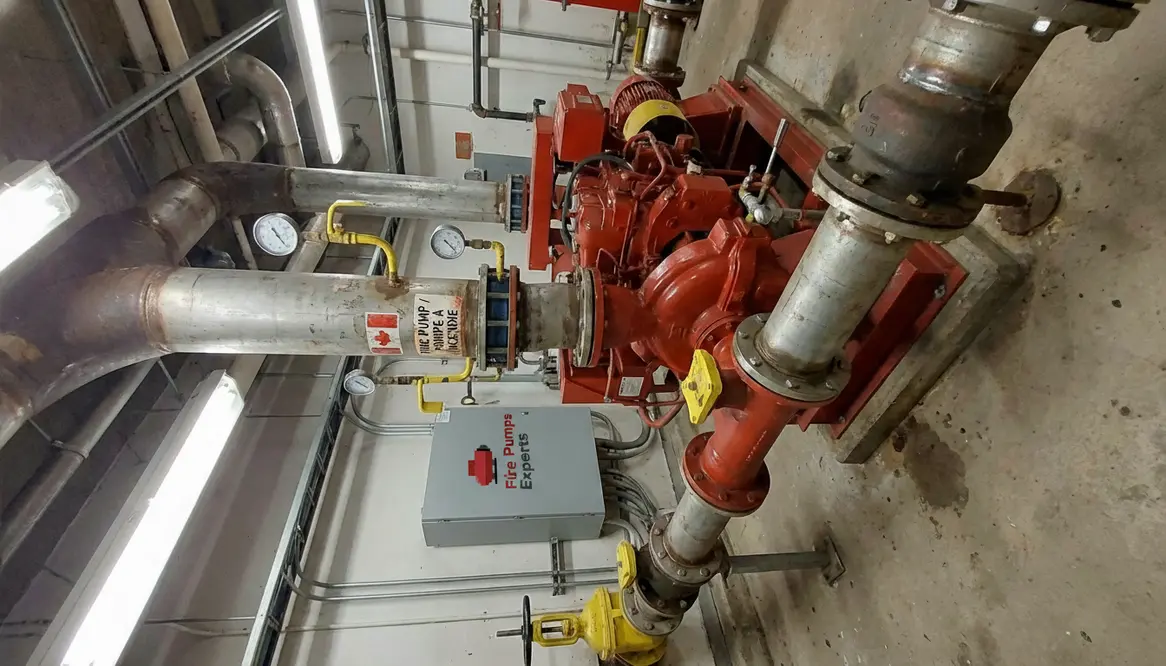
Canada Fire Code Fire Pump Guide for Buildings
How fire pumps, inspections, and maintenance decisions shape real protection in commercial and industrial buildings under the Canada Fire Code code.
National Fire Code of Canada Fire Pump Guide
When I talk about fire protection in commercial and industrial facilities, I always start with the Canada Fire Code code. It sets the tone for safe design, testing, and upkeep, and it leaves very little room for guesswork. That matters, because a fire pump is not a fancy extra sitting in the back room like a forgotten prop from a superhero movie. It is a core part of the life safety system, and when it fails, the whole building feels it. So, in this guide, I will walk through what fire pumps do, how the code shapes their use, and what owners of major properties should watch closely.
Why fire pumps matter so much
In practice, I look at the fire pump as the muscle behind the system. It supports fire protection when the normal supply drops short. It also works with other parts of the fire safety setup, including tanks, controllers, valves, and alarms. Because of that, I always treat it as a full system, not a single machine. One weak link can turn a strong design into a very expensive paperweight.
What a fire pump does in a large building
A fire pump boosts water pressure so sprinklers and standpipe systems can do their job during a fire. In tall buildings, warehouses, plants, and other major properties, water supply alone may not provide enough force. That is where the pump steps in, calm as a seasoned stage actor under pressure.
How the Canada Fire Code guides fire pump use
The Canada Fire Code code sets rules for how fire pumps must perform, where they fit in the building, and how they stay ready for duty. It focuses on safe operation, regular inspection, and proper maintenance. It also connects with other standards that support fire protection systems, which means owners need a clear plan, not just a box to check on a clipboard.
For commercial and industrial properties, I pay close attention to these core points:
- the fire pump must match the building’s water demand
- the pump room must stay accessible and protected
- the system must support required pressure and flow
- testing and upkeep must happen on schedule
- records should stay current and easy to review
So, the code does not just ask, “Do you have a pump?” It asks, “Will it work when the heat is on?” That is the real question, and frankly, the building inspectors are not in the mood for improv.
Code expectations at a glance
- Reliable water supply that matches system demand
- Protected, accessible fire pump room with clear routes
- Documented inspections and performance tests
- Repairs completed quickly, not “when there’s time”
Why the details matter
A well-written policy means nothing if the pump does not start when pressure drops. The Canada Fire Code code treats the fire pump as a living piece of the life safety system, not a background extra. Performance, documentation, and access are all part of compliance.
Fire pump setup for commercial and industrial facilities
When I review fire pump setup for a major property, I start with building use. A food plant, a logistics hub, and a high rise do not need the same approach. Each one creates different flow needs, hose demands, and risk levels. Therefore, the system must fit the site, not the other way around.
Here is a simple way I break it down in two columns.
System part
Pump size
Controller
Power supply
Valves
Room layout
What I check
Does it meet the needed flow and pressure for the site
Does it start the pump fast and keep control clear
Is backup power available if the main source fails
Are they open, tagged, and easy to access
Can staff and service techs reach the equipment safely
In addition, I make sure the design allows room for real service work. A fire pump squeezed into a tight corner is like trying to tune a piano inside an elevator. It can be done in theory, but nobody will enjoy the result.
Testing and maintenance that keep the system ready
Testing is where theory meets reality. A fire pump may look fine on paper, yet still fail under load if it has wear, air issues, poor power, or valve trouble. That is why routine testing matters so much for code compliance and building safety.
I look for a clear test plan that includes weekly, monthly, and annual checks, depending on the system design and site needs. During these checks, staff should confirm pump start, water pressure, running condition, and alarm response. Also, they should record results right away. A missing log can create a bigger headache than the original issue, and nobody wants that kind of sequel.
Maintenance should also cover wear parts, control panels, coupling parts, and power supply checks. If the site has a diesel pump, fuel quality and engine care matter too. If it uses electric power, the supply and backup source need the same level of attention. In other words, the pump is only as reliable as the care behind it.
Common maintenance checkpoints
- Pump bearings, seals, and alignment
- Controller status, alarms, and event history
- Automatic start sequence and transfer from normal power to backup
- Diesel engine fuel, batteries, and exhaust path where applicable
- Electrical feeders, breakers, and any transfer switches
- Condition of suction and discharge valves and gauges
Common mistakes I see in fire pump compliance
In my experience, most problems do not come from one huge failure. They come from small misses that stack up over time. First, some sites forget to test often enough. Next, some keep poor records. Then, some let storage crowd the pump room, which blocks access when people need it most.
Another common issue is bad coordination between the fire pump and the rest of the fire system. If the pump does not match the water supply or sprinkler demand, the whole setup may fall short. Also, some owners wait until something breaks before they call for help. That approach works about as well as using a paper umbrella in a thunderstorm.
Red flags I watch for
- No recent annual flow test results on file
- Access doors blocked by storage or equipment
- Evidence of leaks, rust, or staining around pump components
- Temporary “fixes” that somehow became permanent
Where the Canada Fire Code code fits in
The code sets the expectation that systems perform as designed throughout their life, not just on day one. It is not enough to install a code-compliant fire pump; owners and operators have to run, test, document, and maintain it as a critical life safety asset.
FAQ
Take the next step for your building
If you manage a commercial or industrial property, I recommend reviewing your fire pump system now, before a problem decides to show up uninvited. Check your design, testing records, maintenance plan, and equipment access. Then, work with a qualified fire protection team that understands the Canada Fire Code code and major property needs. A strong fire pump plan protects your building, your people, and your peace of mind, which is worth more than any last minute scramble.
If you want to explore more technical detail on fire pump performance and testing approaches, resources such as https://firepumps.org can help frame useful questions for your next inspection or upgrade project.