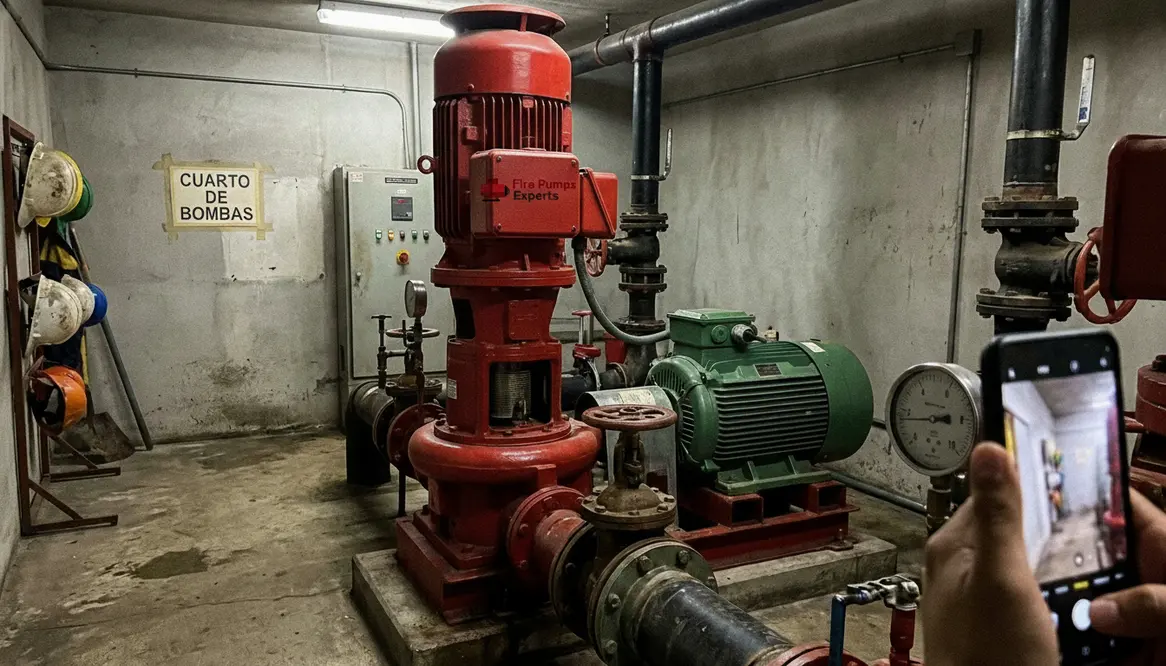
Mexico Fire Pump Testing and Maintenance for Facilities
Mexico Fire Pump Testing and Maintenance Guide
I know fire pumps can sound like the quiet cousin nobody invites to the party. Still, for commercial and industrial buildings, they sit at the heart of fire protection. In my work with Mexico testing, I have seen how a solid testing and maintenance plan keeps systems ready when pressure drops and seconds start to matter. So, if I am looking after a plant, tower, warehouse, or major property, I treat the fire pump like the lead actor in a very serious movie. It may never get applause, yet it can save the whole show.
This guide walks through what I check, why it matters, and how I keep systems compliant, reliable, and ready for the real world. The goal is simple: fewer surprises, stronger protection, and better peace of mind for the people who depend on the building every day.
Why I treat fire pump testing like a business priority
I do not look at fire pump service as a box to tick. Instead, I see it as risk control. A pump may sit unused for long stretches, but when a sprinkler system calls for water, it must respond fast and with steady pressure. If it does not, the whole protection plan starts to wobble like a shopping cart with one bad wheel.
That is why I treat Mexico testing as part of normal operations. Regular checks help me catch low pressure, bad valves, worn parts, battery trouble, and hidden leaks before they become expensive problems. Also, many large properties carry high fire loads, so any delay in pump performance can create real loss. In short, this is not drama for drama’s sake. It is smart building care.
What I check during Mexico testing
When I perform fire pump testing, I focus on the system from top to bottom. I want the whole chain to work, not just one piece. First, I inspect the pump room for access, heat, ventilation, and signs of water or corrosion. Then I review the controller, gauges, power supply, and suction and discharge piping. After that, I test the pump under conditions that show me how it behaves when demand rises.
Here is the practical view I use:
Inspection focus
What I look for
Power and controls
Controller alarms, breaker condition, batteries, wiring, and automatic start function
Pump body
Leaks, vibration, rust, packing wear, and bearing noise
Water and performance checks
Water supply
Tank level, suction pressure, valve position, and flow stability
Performance
Churn pressure, flow output, and whether the pump meets its expected curve
That layout may look simple, but the work behind it is not. A good test tells me whether the pump can do the job under stress, not just sit there looking handsome in the corner like a well dressed extra in a crime series.
How I build a maintenance schedule that works
I keep maintenance clear, steady, and realistic. For commercial and industrial sites, I usually split the work into weekly, monthly, annual, and after event checks. That way, I do not rely on memory, luck, or a sticky note that may vanish by Friday.
Weekly checks
Weekly, I confirm that the pump room is clean, warm enough, and free of leaks. I also check controller status and pressure readings.
Monthly and annual steps
Monthly, I inspect valves, run the pump, and confirm automatic start behavior. Annually, I plan a deeper review with flow testing, part checks, and system evaluation. After any fire event, repair, or major electrical change, I test again. Because if something changed, I want proof that the pump still answers the call.
Why records matter to Mexico testing and beyond
Also, I document everything. Good records help me track patterns, spot repeat faults, and show compliance. That matters a great deal for owners, facility managers, and safety teams who need clear proof of readiness. When Mexico testing is treated as a documented routine instead of a one off chore, fire pump performance becomes far more predictable.
Common problems I find in commercial and industrial sites
Fire pumps usually fail in predictable ways. The good news is that predictable problems are easier to solve. The bad news is that people still let them drag on until the issue gets expensive. Classic human behavior, really.
The most common issues I see include:
- Low suction pressure from supply problems or valve issues
- Controller faults that stop proper automatic starting
- Rust and corrosion from moisture, poor room conditions, or old piping
- Worn bearings or seals that create heat, noise, or leaks
- Poor flow results that point to system blockage or pump wear
When I spot one of these, I do not wait. I isolate the cause, correct it, and retest. That approach saves time and avoids the slow burn of “we will handle it later,” which usually means “we will handle it during the worst possible week.”
How I make Mexico fire pump testing easier to manage
I like to keep the process simple for the people who run the building. First, I set a fixed schedule. Next, I assign responsibility so no one guesses who owns the task. Then I keep spare parts ready for common wear items. Finally, I train staff on what normal readings look like and what warning signs need quick action.
I also recommend working with a team that understands large properties, not just small systems. Commercial towers, factories, and big warehouses bring heavier demand, more complex layouts, and greater pressure on equipment. So, the service has to match the site, not the other way around. That is where experienced Mexico fire pump testing services for commercial and industrial facilities can make a strong difference.
When Mexico testing is built into daily facility culture, the fire pump stops being an obscure machine in a back room and becomes a trusted part of the safety strategy.
FAQ
Conclusion
If I want true protection for a major property, I do not leave fire pump care to chance. I test it, maintain it, record it, and fix issues before they grow teeth. That is how I protect people, property, and operations with less stress and better control. If your site needs a reliable plan for commercial or industrial fire pumps, now is the time to act and build a testing schedule that holds up when it matters most.