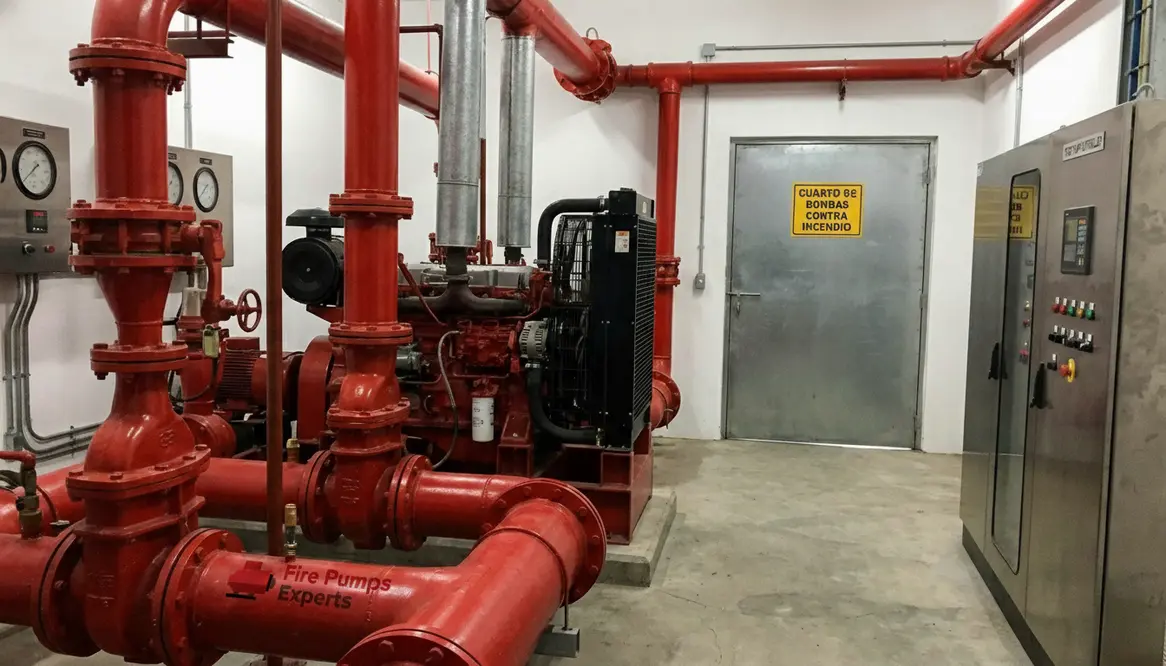
Colombia Fire Pump Room Requirements Guide
Colombia Fire Pump Room Requirements Overview
When I look at a Colombia room built for fire protection, I do not see a dusty mechanical closet. I see the heart of a building’s safety plan. For commercial and industrial facilities, that room must do one job well: keep the fire pump ready when trouble shows up uninvited. And trouble, as always, never checks the schedule. In Colombia, the rules around fire pump rooms focus on access, power, water supply, ventilation, and protection. So, if you manage a factory, warehouse, high rise, or major property, you need a layout that works in the real world, not just on paper.
In this guide, I will walk through the main requirements in plain language. I will also show where the room design often goes sideways, because sadly, a lot of people still treat fire protection like a side quest in a video game. It is not. It is the main mission.
What a fire pump room must do in Colombia
A fire pump room must keep the fire pump system safe, easy to reach, and ready to operate at all times. First, I focus on location. The room should sit in a secure area with fast access for trained staff and emergency crews. It should not block normal operations, and it should not sit in a flood risk zone if the site can avoid it. Second, the room must protect the pump from heat, smoke, vibration, and water damage. If the pump room fails, the whole suppression system may fail with it. That is a very expensive way to learn a lesson.
For industrial and commercial properties, the room also needs enough space for inspection, repair, and safe movement around the pump set. In simple terms, I need room to work without doing a weird side shuffle around pipes and valves.
How I check room layout and access
I always start with access because a locked or cramped room can turn a small issue into a major problem. The fire pump room should stay clear of storage, clutter, and unrelated equipment. It should also have a direct path for maintenance teams. If I have to move through loading zones, narrow halls, or a maze worthy of an action movie, the setup needs work.
Good layout
- Clear entry route
- Enough working space around the pump
- No stored items inside the room
- Easy access for repairs and checks
Common problems
- Boxes, tools, or spare parts stored inside
- Tight access that slows service
- Poor lighting
- Doors that do not open smoothly
So, I keep the room simple, open, and practical. The pump room should not look like the storage closet after a company picnic.
Why power, water, and ventilation matter
A fire pump room cannot run on hope. It needs a reliable power source, a proper water supply, and good airflow. I always check that the pump has the correct electrical or diesel support, depending on the system design. If the facility uses a diesel pump, then fuel storage and exhaust control matter even more. If it uses electric power, then backup power planning becomes critical.
Water supply comes next. The pump must receive water with enough pressure and flow to support the fire protection system. That means I have to confirm the tank, suction line, or municipal source can do the job during an emergency. As for ventilation, the room must stay cool enough for safe equipment operation. Heat builds up fast in enclosed spaces, and pumps do not enjoy sauna conditions. Neither do I.
What building owners should include in the Colombia room
In a proper Colombia room for fire pumping, I look for a few basic but important features. These features support both safety and long term performance. I also recommend checking local rules, code references, and the project engineer’s design, since every facility has its own risk profile.
Key items often include
- Fire rated separation from risky areas
- Strong lighting for safe inspection
- Drainage that keeps water from pooling
- Proper signs that identify the room and equipment
- Security measures that limit unauthorized entry
- Fire resistant doors where required
- Enough space for routine service and emergency response
These details may look small, but small details often save big money. And sometimes they save a building. That tends to matter.
How I approach compliance for major properties
For commercial and industrial facilities, compliance is not about checking boxes and walking away. Instead, I look at the whole fire protection system as one connected plan. The pump room must match the building size, hazard level, and fire protection demand. A warehouse with high rack storage needs a different level of planning than a simple office tower. Likewise, a plant with round the clock operations needs stronger upkeep than a property that shuts down at night.
I also suggest regular inspection and testing. Even a perfect room can drift into trouble if people ignore maintenance. Valves get left open, alarms fail, or someone decides the room is a great place to park cleaning supplies. Human beings remain impressively creative in the worst ways.
Final thoughts and next step
If I want a fire pump room to perform under pressure, I build it with care, keep it clear, and maintain it with discipline. The right Colombia room setup supports safety, code compliance, and business continuity for commercial and industrial properties. If you are planning a new site or reviewing an older one, now is the right time to act. Review your layout, check your system, and get expert support before a small issue turns into a headline.