SANS Fire Pump Requirements for Commercial Buildings
I have seen plenty of building systems that look calm on paper and then turn into drama the moment a fire alarm rings. That is why SANS commercial fire pump rules matter so much for major properties, industrial sites, and big business buildings. In the first few minutes of a fire, water pressure can decide whether your system does its job or just stands there like a confused extra in a disaster movie. So, if you manage a commercial or industrial facility, I want to walk you through the rules, the purpose, and the practical side of getting it right.
What SANS Fire Pump Requirements Mean for Commercial Buildings
At the core, SANS commercial fire pump requirements help make sure a sprinkler or hydrant system gets enough water at the right pressure. I use that phrase on purpose because the goal is simple: keep water moving when the building needs it most. For large commercial and industrial facilities, the local water supply often cannot do this on its own. Therefore, a fire pump steps in and boosts pressure so the fire protection system can perform properly.
These requirements usually come into play when the building size, height, fire risk, or water demand exceeds what the public supply can deliver. In plain language, if your site is big, busy, or packed with equipment, a pump may not be optional. It may be the thing that keeps a small problem from becoming the kind of headline nobody wants.
Why Commercial Fire Pump Design Matters
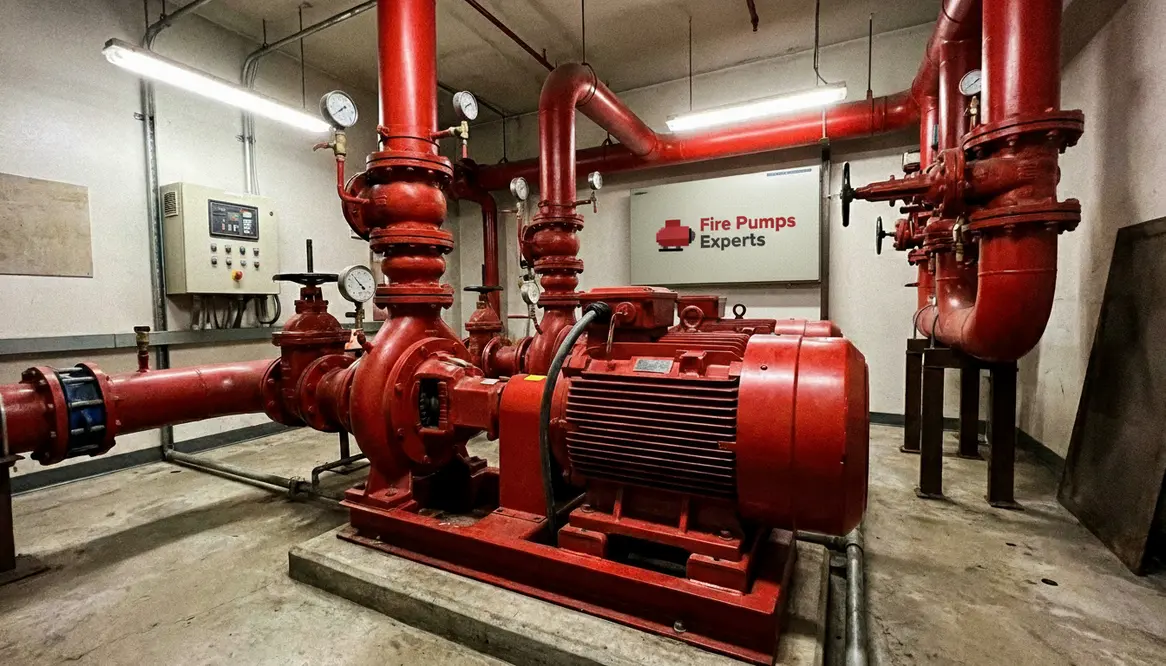
A fire pump is not just a metal box with ambition. It is a life safety asset that must support the full fire protection plan. When I look at a commercial fire pump setup, I focus on flow, pressure, water source, power supply, and reliability. Each part has a role, and if one part fails, the whole system can wobble.
For example, the pump must match the demand of the sprinkler or hydrant system. If the pump is too small, it will not deliver enough pressure. If it is too large, it can create its own problems. Either way, nobody wants a fire pump acting like it missed the memo. That is why design must follow the site risk, the building layout, and the hydraulic need.
Also, pump rooms need good access, proper ventilation, safe drainage, and enough space for maintenance. I always treat this as a practical matter, not a paper exercise. A fire pump that is hard to reach is like a flashlight with no batteries. Technically there, but not very helpful.
SANS commercial fire pump setup checklist
Here is a simple view of the main points I would check for a commercial or industrial site:
Water supply
Make sure the source can support the pump demand for the required time.
Pump capacity
Match the pump size to the system demand and building risk.
Power source
Use a dependable supply, and include backup where required.
Controller and alarms
Check that the pump starts properly and reports faults fast.
Room conditions
Keep the room clear, dry, accessible, and suitable for servicing.
This list may look simple, yet each item needs proper engineering and verification. Moreover, the details often decide whether the system passes inspection or sends everyone back for round two.
How I Apply SANS Fire Pump Rules on Site
When I work through SANS fire pump rules on a site, I start with the building use. A warehouse, a plant room, and a shopping complex do not have the same fire profile. So, I look at what is stored, how the building is split, how high it rises, and how fast fire could spread. Then I check whether the pump system supports the sprinklers, hydrants, or both.
Next, I verify the water source. If the site uses a tank, I check capacity and refill logic. If it uses mains pressure, I check if that supply can hold up during peak demand. In many commercial facilities, the answer is not “maybe.” It is a clear “not without help.”
Then, I test reliability. Power failure is a real issue, especially in industrial areas where outages can happen. Therefore, the system may need backup power or another approved method to keep the pump ready. After that, I review inspection access, signs, valves, and maintenance points. A fire pump must be easy to inspect because emergency systems do not enjoy surprise vacations.
Why SANS commercial Fire Pump Compliance Protects Major Properties
Compliance does more than satisfy an inspector with a clipboard and a serious face. It protects tenants, staff, assets, and business continuity. Large commercial and industrial buildings often hold expensive stock, machines, records, and critical operations. So, when a fire starts, the system must respond fast and with enough force to matter.
Proper compliance also helps with insurance, legal risk, and long term building value. In addition, it supports smoother maintenance because a well planned system is easier to test and service. If you want to read more about commercial and industrial fire pump solutions for major properties, that is a useful place to start.
Why it matters most
Commercial sites need systems that work under pressure, and I mean that in both senses of the phrase. The pump must support the fire protection design, and it must do so every time, not only when the stars align and the maintenance log looks cheerful. When a SANS commercial fire pump system is designed properly, tested routinely, and maintained with care, it gives building owners one less thing to panic about when alarms sound.
That is the real payoff of following SANS commercial requirements: predictable performance instead of improvisation in the middle of an emergency.
FAQ
Final thoughts on SANS fire pump compliance
If you manage a commercial or industrial property, I urge you to treat fire pump compliance as a core safety issue, not a back office task. A good system protects people, property, and business continuity when seconds matter. So, review your design, check your water supply, and confirm your maintenance plan. If you need help with a major property or industrial site, now is the time to act and get the system right under the SANS commercial framework you are working with.