South Africa Fire Pump Compliance Checklist Guide
South Africa Fire Pump Compliance Checklist for Commercial and Industrial Properties
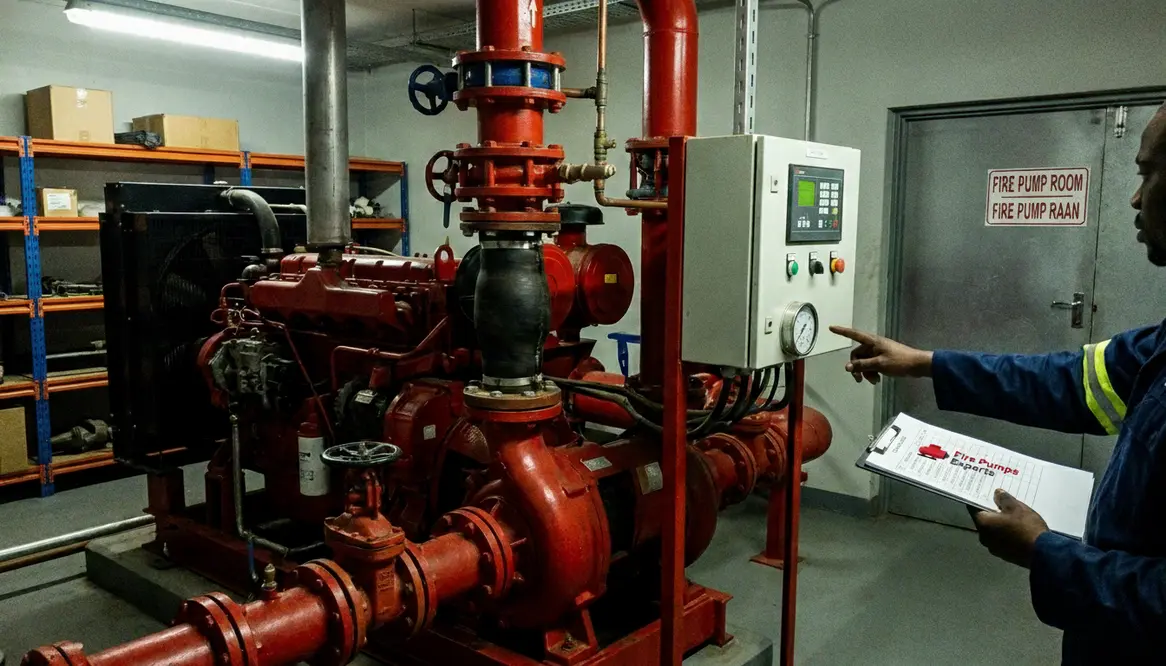
When I talk about South Africa compliance for fire pumps, I am not speaking in riddles or office folklore. I am talking about the very real rules that protect commercial and industrial buildings when fire decides to arrive uninvited. In a plant, warehouse, shopping center, or major office block, the fire pump is not a side character. It is the muscle behind the sprinkler system, the quiet heavyweight that steps in when pressure drops. And yes, when it fails, nobody gets the dramatic soundtrack, just a very bad day. So, I keep my eyes on the checklist, the standards, and the maintenance schedule, because that is where real safety lives.
I also keep a close eye on how people actually use the building. A pristine fire pump in a pump room that doubles as a storage dungeon is not reassuring. When pallets, paint tins, or random equipment start sharing space with critical fire gear, the risk does not just rise, it compounds. So my checklist mindset is simple: the pump is part of a living system, not a lonely machine in the basement that gets visited once a year.
If the insurance assessor, the authority having jurisdiction, or an internal auditor walks in, the question is always the same: can this system actually perform when it is needed? Proper South Africa compliance is not a box-tick exercise, it is a performance promise. That promise is only as strong as your testing, your maintenance, and your willingness to fix what looks “small” before it turns into a headline.
What I Check First In A Fire Pump System
I start with the basics, because the basics catch most problems before they grow teeth. First, I confirm the pump matches the building’s fire design. That means the duty, standby, and jockey pump setup must fit the site size, hazard level, and water demand. If the pump cannot meet the required flow and pressure, then the rest of the system is just expensive plumbing with a heroic attitude.
Next, I check the pump room itself. I want clean access, proper lighting, safe ventilation, drainage, and enough space around the equipment for service work. I also look at the suction line, valves, and pipe supports. Any sign of leaks, corrosion, loose fittings, or blocked access gets attention fast. For South Africa compliance, I do not treat these as small issues. In a fire system, small issues tend to audition for a bigger role later.
I also confirm that the pump’s rated performance aligns with the hydraulic calculations and sprinkler design data. If the drawings say one thing and the installed pump plate says another, I know trouble is already baked into the system. The goal is simple: no surprises when the system is under maximum stress.
Finally, I listen to the people on site. If the maintenance team already has a “that pump is moody on Mondays” story, I do not ignore it. Anecdotes often point to intermittent faults, sticky valves, or marginal power issues that will absolutely show up at the worst possible moment.
Fire Pump Compliance Checklist For Commercial And Industrial Properties
Here is the practical checklist I use for commercial and industrial properties when I am aiming for real-world reliability and solid South Africa compliance.
Equipment And Layout
- Confirm the pump type suits the site fire design and calculated demand
- Check that the pump room is secure, dry, lit, and easy to access at all hours
- Make sure valves, gauges, and control panels are visible and reachable without climbing over obstacles
- Verify that suction and discharge lines are properly supported and free from strain
- Confirm clear labeling on valves, isolation points, and critical controls
Power And Controls
- Test the main power supply and backup power source under realistic load
- Inspect starters, controllers, alarms, and pressure switches for proper operation
- Confirm automatic start works without delay from all initiating signals
- Check battery health where the system uses electric controls, including terminals and chargers
- Verify that alarm signals report correctly to panels, BMS, or remote monitoring where installed
Performance And Testing
- Run weekly or scheduled pump tests according to the maintenance plan
- Confirm pressure and flow stay within design limits across the test curve
- Look for vibration, overheating, strange noise, or irregular cycling during each run
- Check for pressure drop after shutdown that hints at leaks or backflow issues
- Record all test results in a log book or digital maintenance system
Water Supply
- Inspect tanks, pumps, and suction sources for enough water supply and stable replenishment
- Check that the water level stays within safe limits, with reliable level indication
- Make sure strainers, suction bells, and lines stay clean and unobstructed
- Confirm the system can serve the full fire load of the site for the required duration
- Verify that isolation valves on tanks and mains are open, locked where required, and supervised where possible
That checklist is the backbone. However, the real value comes from consistent testing and proper records. A pump that runs only in theory is not much use when smoke fills the building. Think of it like a movie stunt double. It looks ready until the scene starts.
How I Test, Log, And Prove Fire Pump Readiness
I treat testing like proof, not paperwork for the sake of paperwork. First, I review the site schedule and match it to the required test routine. Then I run the pump under the correct conditions and watch the numbers closely. Pressure, flow, starting time, and power behavior all matter. If the pump uses a diesel engine, I also check fuel, cooling, oil levels, and exhaust condition. If it is electric, I focus more on power quality, controller status, and alarm signals.
Just as important, I keep clear records. These logs help me spot trends before failure shows up. A small drop in pressure this month may look harmless, but over time it can point to wear, blockage, or a failing component. That is why I never skip documentation. It turns guesses into facts, and facts save time, money, and a lot of awkward meetings.
When someone asks whether the system truly meets South Africa compliance expectations, those test sheets, maintenance reports, and repair notes become your best friends. They show a clear story: the pump was tested, the faults were fixed, the system was respected, not ignored.
Where South Africa Compliance Often Fails In Real Buildings
In my experience, the weak spots usually come from neglect, poor design follow through, or bad maintenance habits. Many sites pass an inspection once and then act like the fire pump has entered a sacred state of permanent wellness. Sadly, that is not how machinery works.
The most common failures I see include overdue service, blocked pump rooms, leaking valves, weak batteries, worn seals, and poor alarm response. In industrial sites, dust and heat often add more stress. In large commercial buildings, I often find access problems because someone parked storage, boxes, or “temporary” items near critical gear. Temporary usually means forever, apparently.
For South Africa compliance, I also pay close attention to the link between the fire pump and the rest of the fire system. The pump must work with the sprinkler network, tank supply, and control setup. If one part drifts out of line, the whole system loses strength.
Another quiet failure point is training. A beautifully installed system can be undermined by staff who do not know what the alarms mean, who to call, or how to protect the equipment from day-to-day abuse. Good engineering can never fully compensate for missing operational discipline.
How I Keep A Commercial Fire Pump Ready All Year
I do not wait for an annual inspection to discover a problem. Instead, I build a simple routine. I schedule weekly visual checks, monthly operational tests, and formal maintenance at the right intervals. I also make sure trained staff know where the pump sits, how the controls work, and who to call when an alarm behaves like a diva.
For major properties, I recommend working with specialists who understand commercial and industrial fire systems, local rules, and site risk. If you want a deeper technical resource, I would point you to fire pump compliance guidance for commercial buildings in South Africa as a useful reference point for ongoing planning and service support.
When a facility team treats the fire pump as business-critical infrastructure, not an inconvenient obligation, the whole culture shifts. Budgets appear for proper spares, diesel does not mysteriously vanish from tanks, and minor drips do not get ignored until they qualify as indoor waterfalls. That is where real resilience lives.
Frequently Asked Questions
Conclusion: Keeping Your Fire Pump Ready When It Matters
Need your fire pump system checked properly? I can help you get ahead of faults, meet fire safety expectations, and keep your commercial or industrial property ready when it matters most. If you want a full compliance review, now is the right time to act, because fires do not wait for convenient calendar slots.