EN 12845 vs VdS CEA 4001 Fire Pump Guide
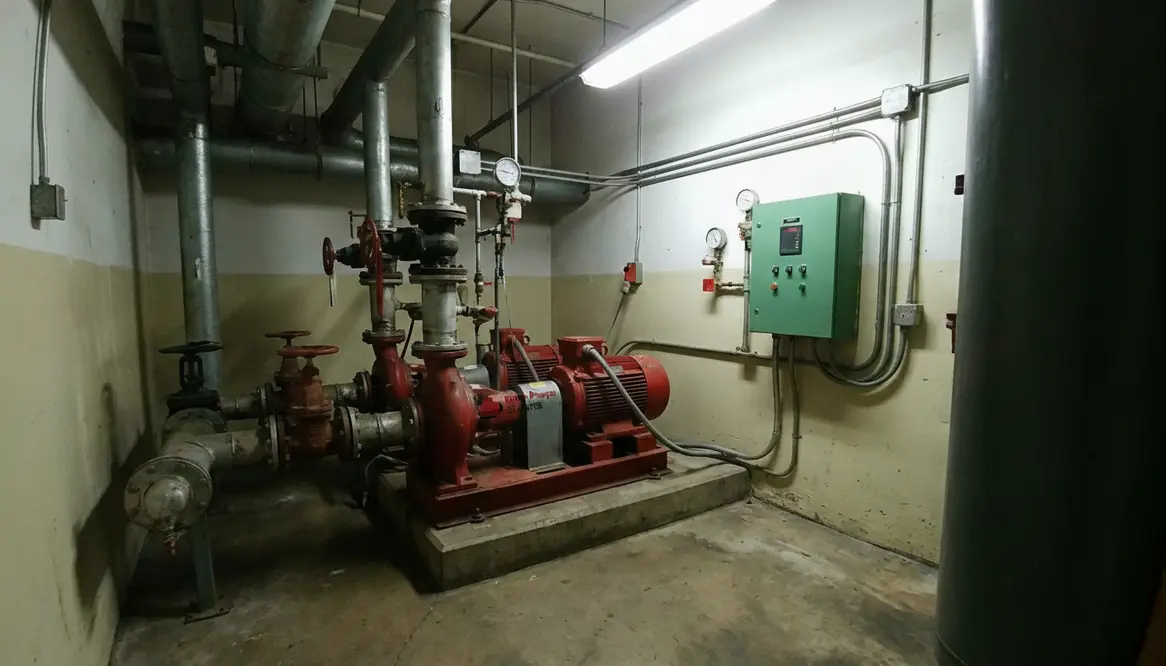
EN 12845 vs VdS CEA 4001 Fire Pump Requirements is one of those topics that looks dry on paper, yet it can make or break a commercial or industrial fire protection plan. I have seen project teams treat pump selection like a side note, and then the whole system starts acting like a diva when pressure drops. In reality, these standards guide how I choose, size, test, and maintain fire pumps for major properties, warehouses, factories, and large business sites. So, if you want a system that works when the heat is on, this comparison matters.
What I look for first in EN 12845 vs VdS CEA 4001
When I compare these standards, I start with the goal of the site. EN 12845 leans into sprinkler system design across many commercial settings, while VdS CEA 4001 often takes a stricter, more detailed path, especially on reliability and supervision. Both aim to keep water moving fast and steady, but they do not ask the same questions in the same way.
In practice, I check three things right away: water supply, pump duty, and backup security. If the building needs a fire pump, then I want proof that the pump can deliver the right flow and pressure under real fire load, not just during a polite little test in a quiet plant room. That is where the details begin to matter.
Fire pump sizing and performance rules
Fire pump sizing sits at the heart of both standards. However, the way I approach the load profile changes based on the rule set. EN 12845 focuses on the sprinkler demand, the water supply curve, and the pump duty point. VdS CEA 4001 tends to push for strong margins and dependable performance across the full operating range.
Here is the simple version: I do not size a pump by hope. I size it by demand, friction loss, and the worst case flow scenario. Then I confirm that the pump can hold pressure where the system needs it most. If the pressure falls short, the sprinklers do not care about our paperwork. They only care about water.
Dual view of the main pump checks
EN 12845
- Matches pump output to sprinkler demand
- Focuses on stable flow at the duty point
- Requires solid water supply proof
VdS CEA 4001
- Pushes tighter reliability checks
- Often expects stronger backup planning
- Places more weight on test confidence
This is where many teams pause and say, “Great, but which one wins?” My answer is simple: neither wins by default. The right standard depends on the site, the insurer, and the fire risk plan. For a deeper service reference, I would point readers to commercial fire pump solutions for major properties as a useful starting point for site planning and pump selection.
Backup supply, testing, and reliability
Once the pump is sized, I move to backup supply and testing. This is where EN 12845 vs VdS CEA 4001 starts to show its personality. EN 12845 requires clear support for the water source and pump arrangement, while VdS CEA 4001 often expects even tighter control around resilience and operational proof.
In a commercial or industrial facility, I want the pump set to survive real world stress. That means I check power supply, diesel backup where used, automatic start logic, and alarm signals. I also look closely at test routines. A fire pump that only works in theory is a very expensive piece of industrial décor. Nice to look at, useless in a crisis.
Regular flow testing, churn checks, and inspection of valves, batteries, and controllers keep the system honest. Also, good records matter. They help me prove compliance and spot drift before it turns into a failure at the worst possible moment.
How I compare EN 12845 vs VdS CEA 4001 on site
When I work on a live project, I compare the standards against the building use, the water source, and the insurer’s view. I never treat the rules as a box ticking game. Instead, I read them as a risk map.
If I am dealing with a warehouse, factory, logistics hub, or large office block, I look at expected sprinkler demand, occupancy risk, and any process hazard. Then I check whether the pump room, controllers, and fuel supply can support the required duty without drama. You know the kind of drama I mean. The kind nobody wants after lunch.
In many cases, EN 12845 offers a practical route for standard sprinkler design, while VdS CEA 4001 can bring added confidence where risk, insurer demand, or site complexity call for stronger safeguards. So, I do not ask which standard sounds tougher. I ask which one suits the building and keeps the system ready.
Across different projects, the phrase EN 12845 vs VdS CEA comes up more often than most people expect. The comparison is not just academic; it shapes how the pump room is laid out, how the controls are supervised, and how the long term testing regime will look on a real site that has production targets and shift workers to consider.
What I recommend for commercial and industrial properties
For major properties, I always recommend a fire pump strategy that starts with compliance and ends with reliability. First, I confirm the governing standard. Next, I validate the water supply. Then, I verify pump capacity, standby power, test access, and maintenance planning. Finally, I make sure the team on site knows what normal looks like, because a silent fault can hide longer than a spy in a movie sequel.
If the property has high value stock, critical operations, or long downtime costs, I lean toward a more robust design review. That is often where VdS CEA 4001 can help sharpen the system. Still, EN 12845 remains a strong and widely used framework when applied with care.
In conversations around upgrades or new builds, EN 12845 vs VdS CEA tends to be the shorthand for how tough the review will be. I use that contrast to set expectations with owners and insurers, then tailor the pump specification so that the standard, the water supply, and the long term maintenance plan all line up.
FAQ
Conclusion
Conclusion
If you want a fire pump system that protects people, stock, and business continuity, I urge you to compare the standard against the site, not just the spec sheet. The smartest next step is a proper review of your water supply, pump duty, and backup plan. Contact a qualified fire pump specialist for a commercial site assessment, and make sure your system stands ready when it counts. That quiet confidence is worth every line of the design, and understanding EN 12845 vs VdS CEA is a practical way to get there.