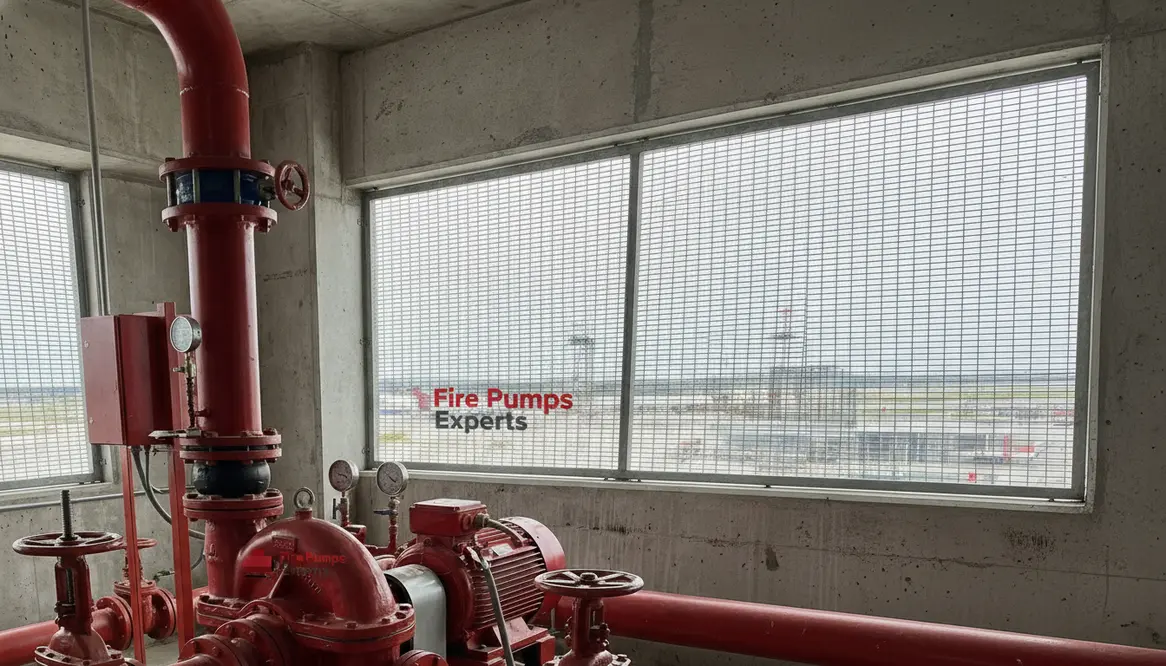
Fire Pump Code Requirements for Airports Worldwide
Fire Pump Code Requirements for Airports Worldwide: What I Watch, What I Check, and What Keeps the Water Moving
When I look at fire pump airports worldwide, I do not see one simple rulebook. I see a mix of codes, local laws, airport fire risk, and a whole lot of pressure, both the literal kind and the “please do not let this system fail during a bad day” kind. Airports are busy, large, and packed with people, fuel, systems, and moving parts. So, fire pump rules must match that scale. In this article, I will walk through the core code ideas, the common airport needs, and the checks that keep commercial and industrial properties safe. Yes, even the kind of properties where one bad day can feel like a sequel nobody asked for.
Why airport fire pumps must follow strict code
I always start with the same truth: airports need dependable water delivery for fire protection. That means fire pumps must support sprinklers, hydrants, standpipes, foam systems, and other suppression gear when the main water supply falls short. Since airports cover large areas and often have special zones like terminals, hangars, cargo areas, and fuel storage, the fire protection system must work across different risk levels.
Most codes focus on three things. First, they require enough pressure. Second, they require enough flow. Third, they require a reliable backup path if the main supply fails. That sounds simple, but in practice, it takes careful design, testing, and upkeep. After all, water does not care about your meeting schedule.
Fire pump code requirements for airports worldwide
Airport projects often follow a mix of NFPA standards, local building codes, civil aviation rules, and insurance demands. In many cases, the main reference is NFPA 20 for fire pumps, along with NFPA 13, NFPA 14, and NFPA 24 for system layout and water supply. However, the exact rule set changes by country and even by airport authority. That means I never assume one code fits all. That would be like using one boarding pass for every airline. Good luck with that.
Here are the common code themes I see again and again:
- Fire pumps must deliver the required flow at the needed pressure.
- The pump room must stay protected, accessible, and heated when needed.
- Power supply must be reliable, with backup power or alternate drives where required.
- Controllers, valves, and alarms must support fast response and easy inspection.
- Test headers, flow tests, and weekly or monthly checks must stay on schedule.
In many airport settings, electric fire pumps are common because they are cleaner and easier to monitor. Still, diesel fire pumps remain important where backup power needs extra strength. The code usually asks for clear separation, safe fuel storage, and strong ventilation. In other words, the pump room should not feel like a guessing game.
Airport fire pump systems by area
Airports do not act like one single building, so I break the fire pump demand into zones. This helps me match the system to real risk instead of treating the whole site like a small office tower with runway access.
Here is a simple view of where fire pump demand can rise:
Area
Passenger terminal
Hangars
Cargo buildings
Fuel farm
Main Fire Risk
High people load, finish materials, shops
Large open space, aircraft fuel, maintenance work
Stored goods, racks, loading activity
Fuel storage and transfer risk
Typical Pump Need
Sprinkler and standpipe support
High flow and special suppression support
Strong sprinkler and hose demand
Higher reliability, often special systems
Because each area carries different hazards, I always recommend a full hydraulic review. That review shows whether the pump can meet demand at the farthest and highest point in the system. It also helps spot weak spots before they turn into expensive drama.
How I check compliance during design and testing
I look at design first, because a weak design makes the best equipment look average. Then I check the water source, pump sizing, controller type, suction conditions, and backup power. I also confirm that the pump curve matches the system demand, not just the brochure dream version. Brochures, like movie trailers, love to show the good parts.
Testing matters just as much. Airports need routine inspection, weekly churn checks, annual flow tests, and clear records. If a code requires a no flow run, a full flow test, or a diesel engine start test, I make sure the schedule stays tight. I also check whether alarms, pressure switches, and remote monitoring work as intended. A silent fault is still a fault, and it rarely improves with time.
What airport teams should ask before final approval
Before sign off, I always ask a few direct questions. These help owners, engineers, and facility teams avoid painful rework later.
- Does the system meet the local code and the airport authority rules?
- Can the pump support the most demanding zone on site?
- Is the pump room protected from heat, flood, and access issues?
- Do backup power and alarm systems work under real test conditions?
- Are inspection logs easy to track and ready for review?
If the answer to any of these is shaky, I slow down and fix the gap. Airports move fast, but fire protection should never feel rushed. That is where a good review saves time, money, and stress.
For teams comparing standards for fire pump airports worldwide, it helps to benchmark against leading international hubs, note how local amendments change NFPA-style rules, and document any custom performance criteria that go beyond the baseline codes.
Patterns I see at fire pump airports worldwide
Across fire pump airports worldwide, I keep seeing the same pattern: codes might look different on paper, but the practical goals line up. Keep water moving, keep pressure steady, keep backup power ready, and keep the documentation honest. Whether the project sits in a coastal climate, a desert hub, or a snow-heavy region, those fundamentals do not change.
The smartest teams at fire pump airports worldwide treat fire protection as critical infrastructure, not an afterthought. They design with clear margins, test on schedule, train their staff, and budget for upgrades instead of waiting for failures to dictate the timeline.
FAQ
Conclusion
If you manage or design fire protection for an airport, I urge you to treat pump code work as a top priority, not a paperwork chore. The right system protects people, property, and operations when seconds matter. When you line up the design with the best practices used at leading fire pump airports worldwide, you reduce surprises and raise confidence across every stakeholder who depends on that water supply.
If you need a clear path for commercial or industrial fire pump planning, testing, or review, reach out and let us help you build a safer, code ready system that stands up when the pressure rises.