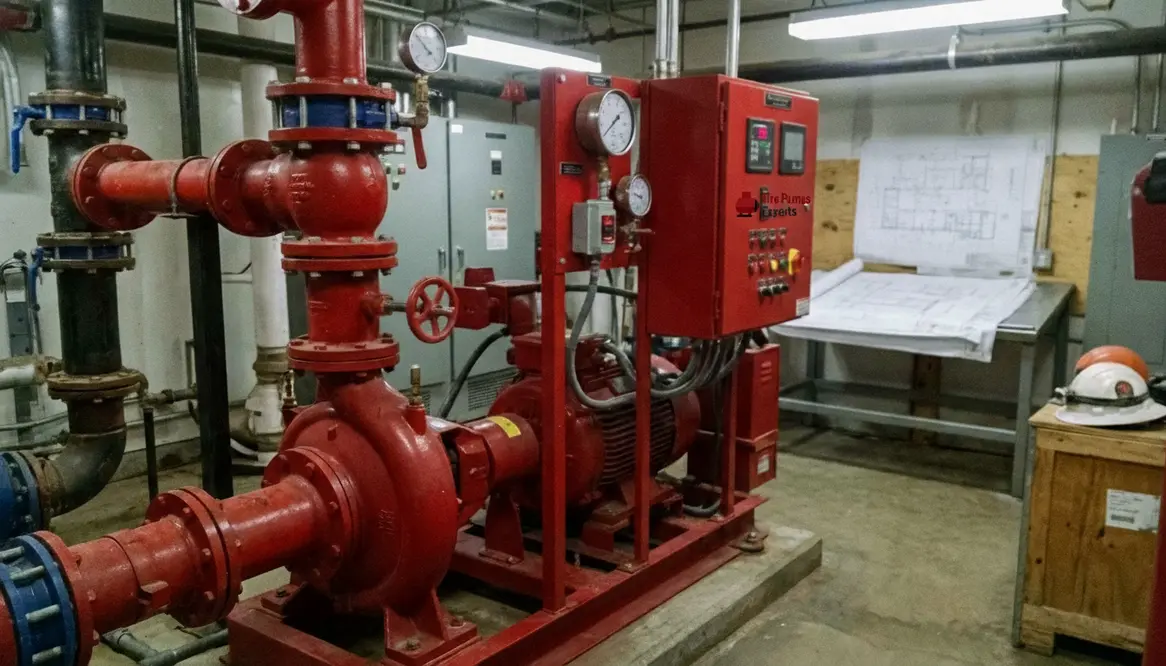
Fire Pump Approval Standards for Global Projects
Fire Pump Approval Standards for International Projects
When I look at a commercial tower, an industrial plant, or a major property complex, I do not just see steel and concrete. I see risk, response time, and the quiet promise that the fire pump will work when the pressure drops and the heat rises. That is why fire pump standards matter so much in international projects. They shape how I select equipment, verify approvals, and avoid the kind of costly delay that makes a project manager stare at the ceiling at 2 a.m. like they are auditioning for a sad reboot of a spy movie.
For global builds, I focus on the rules that govern performance, testing, listing, and acceptance across borders. Because one country may ask for a familiar listing, while another wants a different document trail. So, I plan early, compare local rules, and make sure the pump package fits the site, the authority, and the end use. That approach keeps a project moving and keeps the protection system ready for the real job.
What I Check First in an International Fire Pump Approval Review
I always start with the authority having jurisdiction, the design basis, and the end facility type. Since I work with commercial and industrial sites, I care about high demand systems, long duty cycles, and clear approval records. Next, I confirm the pump type, driver type, controller, and power source. After that, I compare the project spec to the local code path and the acceptance path. That step matters because a pump can look perfect on paper and still fail review if the paperwork feels like a mystery novel.
In practice, I verify these items first:
- Approval path from the local authority, insurer, and engineer of record
- Listing and testing documents from recognized labs and certifying bodies
- Pump curve match against the system demand and water supply
- Driver compliance for electric, diesel, or other approved power sources
- Controller and accessory approval for alarms, transfer logic, and supervision
Because international projects often cross time zones, I also check who will inspect the equipment at the factory and who will sign off at the site. That is not glamour work, but it saves headaches. A calm document set today can prevent a frantic border crossing of parts tomorrow. Nobody wants a pump approval process that moves like a slow queue at an airport during holiday season.
Fire Pump Standards That Shape Project Approval
When I compare systems, I use a mix of global rules and local adoption. The exact path depends on the country, yet the same core ideas show up again and again. The pump must perform as designed, the driver must start reliably, and the full assembly must pass the required tests. In many projects, I see the same themes repeated: listed equipment, proper installation, clear test records, and documented maintenance access.
Equipment Approval
I check whether the pump, motor, diesel engine, controller, and valves carry the right listing or certification for the project region.
System Approval
I confirm the full installation follows the local code, site layout, and water supply conditions. This is where details matter, because even a strong pump cannot rescue a weak setup.
Acceptance Approval
I make sure the final test proves flow, pressure, start performance, and alarm function. In other words, I want the system to do more than just look excellent in a brochure.
Common Approval Focus
- Pump capacity and curve fit
- Driver start reliability
- Controller logic and signals
- Material suitability for water quality
Common Project Risk
- Local code mismatch
- Missing test reports
- Wrong accessory approvals
- Late supplier submittals
Because these items often overlap, I treat them as one approval chain, not separate chores. That mindset keeps the project clear and avoids the old “we thought someone else handled it” routine. Classic tragedy. Very Shakespeare, if Shakespeare had a punch list.
How I Manage Cross Border Compliance
I keep cross border compliance simple by building one master approval file. Then I map each requirement to the country, the authority, and the project spec. Since international work can pull in different standards, I make sure the submittal package answers the same questions in every language of the project, even if the contract itself tries to sound like it was written by a committee with too much coffee.
To stay on track, I follow this order:
- First, I identify the governing code and any local amendments.
- Then I confirm whether the project accepts international listings or wants a national mark.
- Next, I align shop drawings, performance data, and test certificates.
- Finally, I schedule witness testing early, because waiting until the end can turn a simple review into a very expensive lesson.
For deeper reference, I often recommend reviewing the guidance at https://firepumps.org when project teams need a clear starting point for major property buildings and industrial sites.
Why Testing and Documentation Decide the Outcome
Testing closes the loop. Without it, approval stays theoretical, and theory does not stop a fire. I want suction performance, discharge pressure, controller function, power transfer, and alarm signals checked in a way that matches the project authority. I also want the records clean and complete. Missing test sheets or vague notes can slow closeout fast, and nobody likes a handover that feels like a season finale with no ending.
Documentation matters just as much as hardware because it proves the system was built, installed, and tested correctly. That includes certified curves, material records, factory test reports, and site acceptance results. In international jobs, I also make sure the team keeps translation and notarization needs in view, since a perfect report in the wrong form still lands on the wrong desk.
Putting Fire Pump Standards to Work on Real Projects
On live sites, I treat fire pump standards as a practical checklist rather than a bookshelf ornament. They guide how I size pumps, vet drivers, and confirm controllers, but they also shape coordination between trades. Electricians, mechanical teams, and controls specialists all touch the fire pump room, and the standards keep everyone reading from the same script instead of improvising their own plot twists.
When a project crosses borders, the same fire pump standards still apply, but the paperwork gets a passport. That means tracking which listings the local authority accepts, which test labs they recognize, and how they want results formatted. The more complex the project, the more that simple consistency pays off when it is time for acceptance testing.
In mixed-use or industrial campuses, I often see separate teams handling different buildings. Using one shared approach to fire pump standards keeps those teams from drifting apart. If everyone follows the same approval map, they share drivers, controller logic, and documentation style, and the final review feels like one project instead of a collection of unrelated experiments.
FAQ
Conclusion
When I manage fire pump approval for international projects, I keep the process grounded in code, testing, and clean records. That is how I help commercial, industrial, and major property buildings move from design to acceptance without chaos. If you want fewer delays and stronger project control, start early, verify every document, and align the pump package with the local authority. I invite you to use a careful approval plan now, because reliable fire protection is never the place to improvise.