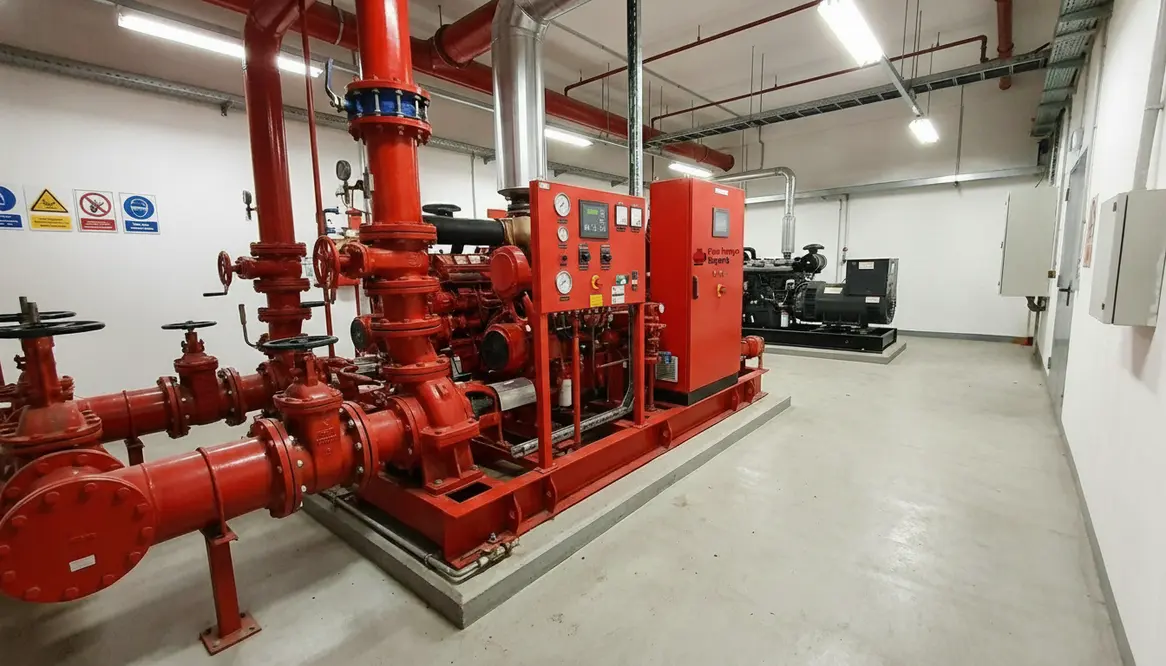
Fire Pump Code Requirements for Critical Infrastructure
Fire Pump Code Requirements for Critical Infrastructure Worldwide
When I talk about fire pump critical infrastructure worldwide, I am talking about the systems that keep hospitals, data centers, airports, power plants, and large commercial towers from turning into headlines nobody wants to read. Codes do not exist to make life difficult, even if it sometimes feels like they were written by people who enjoy stress. Instead, they set the rules that help fire pumps start fast, deliver the right pressure, and keep water moving when every second counts. In this article, I will walk through the main code ideas, global differences, and the checks that matter most for major properties and industrial sites.
Why fire pump codes matter for major facilities
I always start with this simple truth: a fire pump is only as good as the code behind it and the installation in front of it. For large buildings and critical sites, the pump must support sprinkler and standpipe demand during a fire event. That means the system has to meet local building rules, fire code rules, and often insurance standards too.
In practice, I look for three things first: correct sizing, reliable power, and clear access for service. If one of those slips, the whole system can wobble. And no, “we meant to inspect it next quarter” does not count as a safety plan.
Code basics I check first
For fire pump critical infrastructure worldwide, the code path usually starts with a few common themes, even when the exact rulebook changes by country.
- Proper pump selection based on expected water demand
- Approved water source and enough supply pressure
- Reliable power, often with backup support
- Room layout that allows inspection, repair, and testing
- Fire alarm and control signals that show pump status
These points sound simple, yet they shape the whole design. For example, if a pump room sits too far from key equipment, maintenance gets harder. Then the risk grows. Likewise, if the power feed is weak, the pump may not start when the building needs it most. That is not the kind of surprise anyone wants, unless we are talking about a plot twist in a streaming series.
How I compare global code rules
Here is where things get interesting. Different regions use different standards, but they often aim for the same result. NFPA 20 in the United States is a major reference for fire pump design and installation. Other countries may use local fire codes, ISO related guidance, or national building laws. Still, the core ideas stay close.
| Design focus | What I verify |
| Pump capacity | Enough flow and pressure for the most demanding fire condition |
| Power source | Electric, diesel, or another approved setup with backup support |
| Installation space | Room size, ventilation, drainage, and service access |
| Testing | Routine flow tests, run checks, and alarm checks |
I also pay attention to local adoption. Some places tighten rules for earthquake zones, flood zones, or extreme heat. Others push stronger redundancy for airports, telecom hubs, and energy sites. In short, the pump code does not live in a vacuum. It lives inside the reality of the property.
How I handle design for commercial and industrial sites
For commercial and industrial facilities, I focus on performance under stress, not just compliance on paper. A tall office tower has different needs from a warehouse, and a hospital has different risk pressure than a shopping center. Therefore, I match the pump design to the hazard level, water source, and building layout.
In many projects, I check whether the pump can support the entire sprinkler demand while also serving standpipes if required. I also confirm that the suction supply stays stable. If the water supply drops too low, the pump cannot play hero forever. Even Superman had backup stories.
Fire pump critical infrastructure worldwide in a real world compliance check
When I review fire pump critical infrastructure worldwide, I do not stop at the pump skid itself. I check the full chain. That means the tank or water supply, valves, controllers, alarms, backup power, and the test header all need to work as one system.
My compliance checklist usually includes:
- Correct pump orientation and mounting
- Clear labels on valves and controls
- Working pressure gauges and sensing lines
- Weekly or monthly test routines where required
- Documented maintenance logs
Testing matters because codes ask for proof, not promises. A pump that has not run in months can hide problems like air leaks, control faults, or weak batteries. So, I treat testing as a living part of the system, not a box to tick and forget.
What I look for in inspection and maintenance
Inspection keeps the system honest. Maintenance keeps it ready. Together, they give the facility a fighting chance.
I usually look at the following during a site review:
First, I confirm the pump starts on demand and reaches proper pressure.
Next, I check that the controller shows the right signals and does not hide fault conditions.
Then, I review the pump room environment for heat, moisture, vibration, and blocked access.
Finally, I compare test results with the code and the facility record. If numbers drift over time, that is a clue, and clues matter.
For owners of major properties, this process protects both life safety and business continuity. A clean inspection record can also help with insurance reviews and audits. That part may not sound glamorous, but it beats explaining downtime to executives with coffee in one hand and panic in the other.
FAQ
Conclusion
I treat fire pump code compliance as a protection strategy, not a paperwork chore. If you manage a commercial tower, industrial plant, or major property, now is the time to review your system with care. Check your pump design, verify your tests, and close the gaps before they turn into costly trouble. If you need support for a property that must stay safe and ready, take the next step today and bring your fire protection plan up to code.