Fire Pump Code for Mixed Use Buildings Worldwide
Fire Pump Code Requirements for Mixed Use Buildings Worldwide
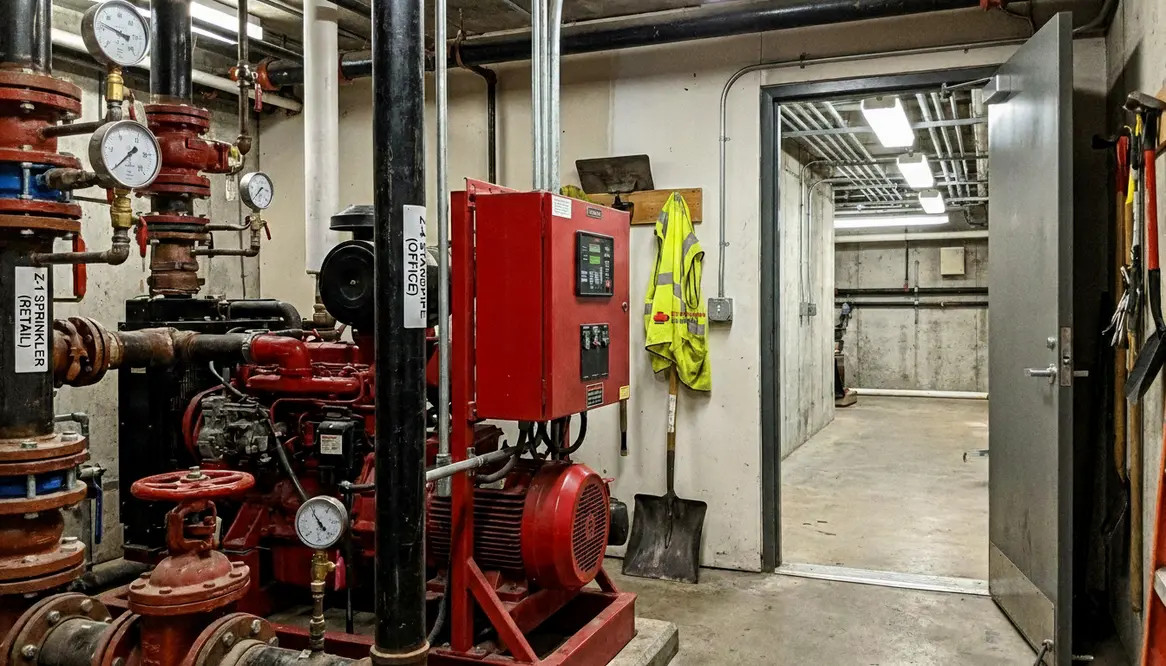
When I look at fire pump mixed use worldwide rules, I see one simple truth: mixed use buildings do not get a free pass. They bring homes, shops, offices, food courts, and parking into one tall stack of risk. So, the fire pump must do real work when pressure drops and the sprinklers need help. I have seen enough code debates to know this is not the place for guesswork. The right fire pump setup keeps people safer, protects assets, and helps owners avoid the kind of fire review that feels like a surprise tax audit with alarms.
In this article, I will break down the core code ideas that shape fire pump design for major commercial and industrial properties around the world. I will also keep it practical, because nobody wants to read a code book that sounds like it was written by a sleepy robot with a law degree.
Why mixed use buildings need special fire pump rules
Mixed use buildings combine different fire loads in one property, and that changes everything. A retail floor may need fast sprinkler response, while an upper office level may need steady pressure over a larger height. Meanwhile, storage rooms, service areas, and parking structures can raise the demand even more. Because of that, I always treat mixed use projects as one system with many personalities. It is a little like managing a superhero team. Everyone has powers, but someone still needs to keep them from crashing into each other.
Most codes ask a fire pump to support the most demanding area of the building, not the easiest one. That means the engineer must study building use, height, water supply, and sprinkler demand together. As a result, the pump is sized for the worst case, and that is exactly where most mistakes happen when teams try to save time or trim cost too hard.
Fire pump mixed use worldwide code basics
Across regions, the big code families often point to similar goals even when the details shift. I usually look for four core items: water flow, pressure, reliability, and emergency power. For fire pump mixed use worldwide projects, the local standard may follow NFPA 20, EN 12845, FM Global guidance, or a national fire code that adapts those ideas. The names change, but the mission stays the same.
Here is the short version I use when reviewing a project:
- Water flow: The pump must deliver enough water for the sprinkler and hose demand of the building’s most critical area.
- Pressure: The pump must overcome height loss and pipe friction so the system still works at the top level.
- Reliability: The pump room, power source, and controller must stay ready during a fire event.
- Testing: The system must allow routine inspection and flow testing without turning the building into a science fair gone wrong.
How I match code to building type
I never size a pump by floor count alone. Instead, I check how each part of the building functions. For example, a shopping podium with open public space may need a different sprinkler density than a residential tower above it. Likewise, a mixed use site with underground parking often needs a pump setup that supports both the garage and the occupied floors. Therefore, the fire pump must reflect the most demanding code path in the property.
In many cases, the code also pushes me to confirm whether the building needs one pump or a duty and standby setup. For major properties, especially where uptime matters, redundancy can be smart. If one pump fails, the other steps in. That kind of backup may not sound glamorous, but neither does a wet lobby at 3 a.m.
Worldwide differences that matter in design
Although the purpose stays consistent, regional rules can differ in ways that affect the final design. Some places want a diesel driven pump as backup. Others allow electric only, but with strict emergency power rules. Some codes require a dedicated fire pump room with fire rated construction and direct access from outside. Others focus more on water supply duration and performance testing.
System need
Required flow and pressure, backup power, controller type, suction supply, test line, and room access
Code focus
Local approval path, pump room rating, inspection method, power continuity, and acceptance test details
This side by side view helps me catch weak points early. And yes, it also saves time, which is useful when architects, contractors, and owners all arrive with opinions before lunch.
What inspectors usually check
Inspectors usually want proof that the pump can perform under real fire conditions. So, they look at the suction source, discharge pressure, controller alarms, power supply, and room layout. They also want access for maintenance, because a fire pump hidden behind storage boxes is not a fire pump. It is a very expensive coat rack.
In mixed use buildings, I also expect closer review of zones, pressure control, and system separation. If the property has different occupancy types, the inspector may ask how the system handles each one. Therefore, clear drawings and solid hydraulic calculations are not optional. They are your best defense against delays.
Fire pump code requirements mixed use buildings worldwide: common mistakes to avoid
When teams miss the mark, I usually see the same problems repeat. First, they assume one occupancy defines the whole building. That rarely works. Second, they understate water demand at the highest or most remote area. Third, they forget that emergency power and pump room access can be part of the code, not just best practice.
Another common issue is weak coordination between design and operations. The pump may meet code on paper, but if no one can test it safely, the system becomes a future headache. So, I always push for a design that supports both approval and long term use. A good fire pump should not just pass review. It should stay ready.
For anyone working on fire pump mixed use worldwide projects, this balance between paper compliance and practical testing is where the best designs stand out.
Applying fire pump mixed use worldwide concepts to real projects
When I help a team interpret fire pump mixed use worldwide requirements on a live project, I start by mapping each occupancy, its fire load, and its height above the water source. That simple worksheet often exposes the true “worst case” zone faster than any long meeting. From there, the code path, pump size, and power strategy fall into place with fewer surprises.
Who should be involved in the design review
- A fire protection engineer who knows the local approval process
- The electrical team, to confirm normal and emergency power behavior
- The mechanical or plumbing team handling pumps, tanks, and piping
- The facility operations lead, who will live with the test routine long after construction wraps
When these people sit down early, the fire pump discussion shifts from last minute patchwork to a planned part of the mixed use strategy.
FAQ
Conclusion
If I were advising a major mixed use project today, I would start with the local code, then build the fire pump design around the highest risk area and the strictest approval path. That approach keeps the project safer, cleaner, and easier to defend during review. If you need support for a commercial or industrial property, or a major building with mixed use demands, now is the time to act. Review the system, verify the code path, and make sure your fire pump is ready before anyone needs it.