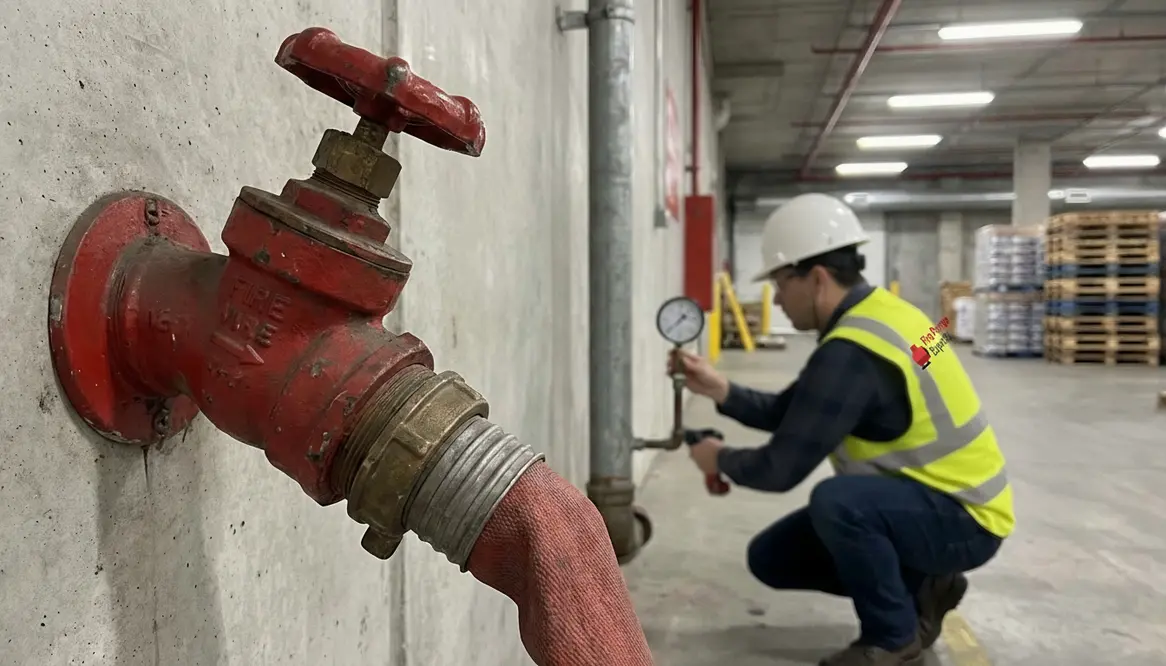
AS 2419 Fire Hydrant Systems Compliance Guide
AS 2419 Fire Hydrant Systems Explained: Compliance Guide
When I talk about AS 2419 fire hydrant systems, I am talking about more than a metal cabinet on a wall and a hose that looks ready for a superhero cameo. I am talking about a core fire safety system for commercial, industrial, and major property buildings. These systems must deliver water fast, work under pressure, and meet strict Australian rules. If they fail, the risk climbs fast. So, I take compliance seriously, because the fire will not pause for a meeting, a coffee, or a polite reminder.
In this guide, I will explain what the standard covers, how compliance works, what testing involves, and why maintenance matters. I will keep it clear, practical, and focused on the sites that need it most: large buildings, warehouses, plants, and major commercial assets.
What AS 2419 means for your building
AS 2419 sets the rules for fire hydrant systems in Australia. In plain terms, it tells me how to design, install, test, and maintain hydrants so they can perform during a fire. The goal is simple. I want a system that gives firefighters reliable water flow at the right pressure, when every second counts.
This standard applies to buildings where a serious fire could spread fast or cause major damage. That includes industrial sites, office towers, shopping centres, logistics hubs, and similar properties. Because of that, I treat the standard as a working rulebook, not a nice to have document collecting dust like an old VHS tape.
How compliance works in practice
Compliance starts long before anyone turns a valve or opens a hydrant cabinet. First, I check that the system design suits the site. Then, I confirm the water supply, pipe sizing, hydrant placement, and pressure levels all match the standard and the building risk.
Next, I look at installation quality. A system can fail if the pipework, fittings, or pump setup are poor. That is why I always check workmanship, access, labels, and clear space around hydrants. After that, I test the system under real conditions. In other words, I do not just trust the paperwork and hope for the best. Hope is not a compliance plan.
What I test during AS 2419 fire hydrant systems checks
When I test AS 2419 fire hydrant systems, I focus on performance, not guesswork. I check water flow, pressure, coverage, and access. I also look for leaks, damage, blocked valves, worn parts, and anything that could slow response time.
Here is the short version of what matters most:
Design checks
I confirm the hydrant layout, pipe size, pump capacity, and water supply match the building needs.
Operational checks
I test pressure, flow, and activation so the system can do its job during an emergency.
That view keeps the big picture neat, because compliance should not feel like reading a phone book in the dark. I also record test results, since good records help prove the system meets the standard and support future maintenance work.
Why maintenance keeps the system ready
Even a strong hydrant system can drift out of spec over time. Valves age. Pumps wear down. Corrosion creeps in. Then, routine site changes can block access or reduce performance. So, I always treat maintenance as part of compliance, not a separate chore.
Regular servicing helps me catch small issues before they become expensive failures. It also supports safe operation for site teams and emergency crews. For a deeper look at ongoing care, I recommend reading https://kordfire.com.au/fire-protection-blog/as-2419-fire-hydrant-testing-maintenance-compliance-in-australia/. It adds useful detail on inspection cycles, testing, and upkeep for Australian sites.
What building owners should watch for
I always tell owners and facility managers to keep an eye on the obvious warning signs. If I see a hydrant cabinet blocked by storage, a missing label, a damaged hose reel, or a pump that sounds rough, I know the system needs attention fast. Small issues often point to bigger ones hiding behind the scenes, like an undercover villain in a summer blockbuster.
It also helps to keep staff aware of hydrant locations and access paths. After all, a compliant system is only useful if people can reach it without a maze of pallets, bins, or misplaced equipment acting like a bad level in a video game.
AS 2419 fire hydrant systems quick FAQ
AS 2419 fire hydrant systems are not set and forget. The most common questions I hear usually come back to responsibilities, testing timelines, and what compliance actually looks like day to day.
Conclusion and next steps
If you manage a commercial, industrial, or major property building, I strongly recommend keeping your hydrant system in top shape. AS 2419 compliance is not just about ticking boxes. It is about protecting people, assets, and operations with a system that works when it matters most.
If you need expert help with testing, maintenance, or compliance checks for AS 2419 fire hydrant systems, now is the time to act. I can help you keep your system ready, reliable, and fit for purpose so that when firefighters arrive, the water supply is the last thing anyone has to worry about.