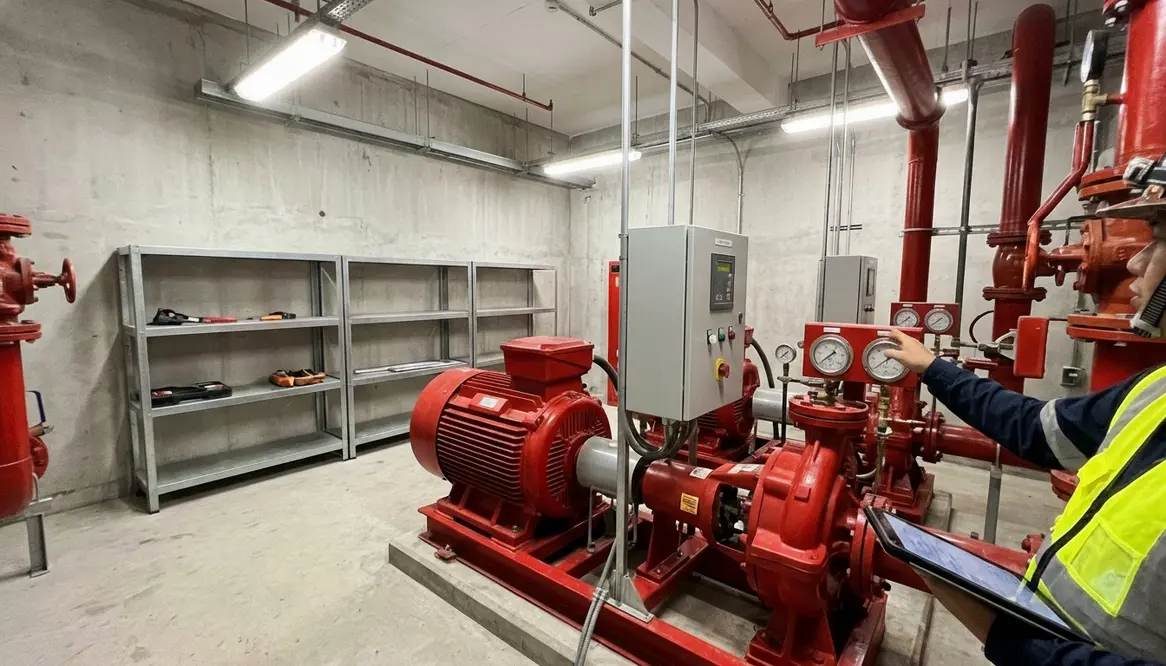
Fire Pump Room Inspection for NFPA Compliance
When I inspect a fire pump room for fire pump room inspection NFPA compliance, I start with one simple truth: this room is not a storage closet with a hero complex. It is a mission critical space for commercial and industrial facilities, and one weak link can turn a routine test into a very expensive problem. So I slow down, check the details, and make sure the room supports the pump, the controls, and the fire protection system as a whole. That means I look beyond the shiny equipment and focus on the stuff that keeps the system ready when the pressure drops and the alarm bells start their dramatic little concert.
In this guide, I will walk through the exact steps I use, from the room layout to ventilation, power, access, and records. If you manage a major property, a plant, or a large commercial building, this process will help you spot issues before they become violations, repair bills, or a very awkward conversation with the AHJ.
Start With the Room Layout and Access
I begin with the basics, because the basics often carry the biggest risk. First, I confirm the room has clear access for staff, inspectors, and emergency crews. Then I check that the door opens easily, the path stays open, and nothing blocks the route to the pump, controller, valves, or gauges. A fire pump room should never feel like a warehouse aisle that lost a fight with spare chairs and broken boxes.
Next, I look at room size and clear space around equipment. NFPA rules expect enough working room for safe service and inspection. So I measure the space around the pump and controller, and I make sure panels can open fully. If I cannot reach the equipment without doing a awkward side shuffle, the layout needs work. I also check for proper labeling so anyone entering the room can find the main parts fast. That saves time, and in an emergency, time is the one thing nobody has enough of.
Check Power, Lighting, and Equipment Readiness
Once the room layout checks out, I move to the power and support systems. I verify that the pump has a reliable power source and that the controller looks clean, dry, and free from damage. After that, I inspect lighting so the room stays bright enough for work and emergency use. A dim fire pump room is like trying to read a contract in a movie theater; technically possible, but not wise.
I also look for signs of wear on the pump, motor, couplings, pressure gauges, and valves. Any leak, rust spot, loose fitting, or strange noise deserves attention. In addition, I check for proper temperature conditions so the room stays within a safe range. Heat, cold, and moisture can all cause trouble fast. Therefore, I treat every small sign as a clue, not a decoration.
Inspect Fire Pump Room Ventilation and Temperature Control
This part matters more than many people think. Good ventilation helps protect the pump, the motor, and the room itself. I review airflow paths, louvers, fans, and exhaust routes to make sure the room can handle heat from normal operation and from any possible engine driven equipment. Poor airflow can shorten equipment life and lead to failure when the system needs to perform.
For a deeper look at this topic, I recommend this guide on fire pump room ventilation and compliance standards. It supports the same goal I keep chasing: stable room conditions, dependable equipment, and fewer surprises on inspection day.
Equipment Checks and Room Conditions
Equipment Checks
- Confirm fans, vents, and dampers work as designed
- Check that intake and exhaust paths stay open
- Look for heat buildup near the pump and controller
Room Conditions
- Watch for standing water, condensation, or damp walls
- Keep the room clean and free from storage
- Verify the temperature stays within NFPA expectations
Review Testing, Records, and Maintenance History
After the physical inspection, I go to the paperwork. Yes, paperwork. The thrilling part where compliance often lives or dies. I review inspection logs, test records, repair notes, and maintenance dates. Then I confirm the fire pump has been tested at the required intervals and that any issues found during past checks were fixed and documented.
I also compare the records with the current condition of the room. If a log says a leak was repaired but I still see fresh water stains, I stop and ask questions. Records should tell the same story as the equipment. When they do not, I treat that gap as a warning sign. Furthermore, I make sure the owner or facility team knows who handles routine checks, who responds to alarms, and who calls for service. Clear responsibility keeps the system from drifting into the land of “someone probably did it.” That place is never good for compliance.
How to Inspect a Fire Pump Room for NFPA Compliance
A Practical Routine You Can Repeat
When I put it all together, I follow a clear routine: check access, verify room size, inspect power and lighting, review ventilation, and confirm the records match the real world. That approach helps me protect fire pump room inspection NFPA compliance without wasting time on guesswork. It also gives commercial and industrial property teams a repeatable process they can use before an official inspection.
Still, I never treat the room as a one and done job. Conditions change. Equipment ages. People store things where they should not. So I keep inspecting, correcting, and documenting. That is how a fire pump room stays ready for the long haul, not just for the day someone with a clipboard shows up.
If you stay consistent with this routine, the phrase fire pump room inspection NFPA compliance becomes less of a stress trigger and more of a status update. You know the room, you know the records, and you know the risks you have already taken off the table.
FAQ
Final Call to Action
If you manage a commercial or industrial property, I urge you to inspect your fire pump room before the next test, audit, or emergency forces the issue. Walk the space, review the records, and correct the small problems now while they are still small. If you need a sharper eye or a second set of hands, bring in a qualified team that knows NFPA expectations and major property systems. The room should be ready long before the alarm ever speaks, and every pass you make at solid fire pump room inspection NFPA compliance is one less surprise on the worst possible day.