Fire Pump Reliability in High Bay Warehouses
Fire Pump Reliability Challenges in High Bay Warehouses
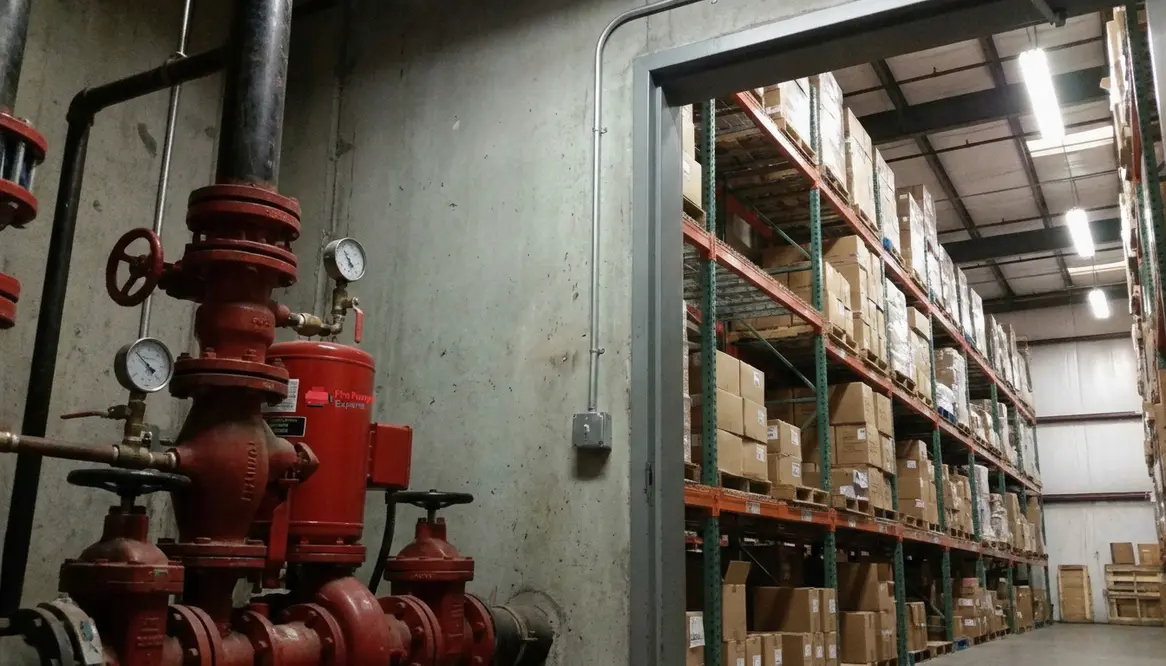
When I look at warehouse fire protection, I do not see a nice neat checklist. I see a living system that has to work under pressure, in heat, and in buildings so tall they make your neck complain. A warehouse fire sprinkler system can do a lot of the heavy lifting, but it only performs well when the fire pump delivers steady water at the right time and the right pressure. In high bay warehouses, that is where the real test begins. The racks climb, the storage density grows, and the stakes rise fast. So, yes, this is the part where “good enough” goes to retire.
In this article, I will break down the main reliability problems I see in commercial and industrial facilities, and I will show why strong design, regular testing, and smart maintenance matter more than ever. Because when a warehouse fire grows, it does not wait for a convenient Monday morning meeting.
Why high bay warehouses stress fire systems
High bay warehouses create a tough job for fire suppression. First, the ceilings sit high above the storage, so water must travel farther and still hit the fire with force. Then, rack storage can block spray patterns and trap heat. As a result, a sprinkler system may need more pressure, faster response, and better coverage than a standard setup.
I also see another problem: many modern warehouses hold mixed goods. Some items burn fast, some melt, and some spread fire like a bad sequel nobody asked for. That mix can change the hazard level in a hurry. Because of that, the warehouse fire sprinkler system must match the actual storage plan, not the plan from three years ago that now lives in a file cabinet and a dusty memory.
Where fire pump reliability starts to slip
The fire pump often fails in predictable ways. Sometimes the issue starts with poor water supply. If the suction line has trouble, the pump cannot keep pressure steady. In other cases, the pump room itself causes trouble. Heat, moisture, weak power, or poor access can all drag performance down.
Mechanical wear also builds over time. Bearings age. Seals fail. Controllers act moody. And yes, even the best equipment can turn dramatic if nobody tests it on a real schedule. I have seen systems that looked fine on paper but struggled the moment demand rose. That is why I never trust a pump just because it is installed. I trust it after I see it perform, under load, with records to prove it.
What I check during maintenance and testing
I always start with the basics. I check suction conditions, pump start up, controller function, pressure readings, and signs of leaks or vibration. Then I review weekly, monthly, and annual test data. Trends matter. A small pressure drop today can point to a bigger failure tomorrow.
Here is a simple view of what I focus on most:
Routine checks
- Test start up response and shutoff behavior
- Inspect valves, gauges, and control panels
- Look for abnormal noise, heat, or vibration
- Confirm fuel or power support for backup operation
System risks
- Poor suction supply
- Corrosion or scale in piping
- Blocked intake or discharge paths
- Outdated settings after warehouse layout changes
This kind of review does more than protect equipment. It helps protect the business itself, because downtime in a major property can spread pain faster than a group chat after a bad meeting.
How design mistakes cause real problems
Many reliability issues trace back to design choices that looked fine at first but age badly in the field. For example, a pump may be sized for a lower storage load, then the warehouse grows and the demand rises. Or the system may lack enough pressure margin for upper level coverage. Sometimes the building uses equipment that works on paper but fails in the real world because the flow path is too complex.
That is why I like to compare design and operation side by side. In the middle of planning, I often think in two columns:
Design side
- Pump size and pressure rating
- Water source quality
- Sprinkler head placement
- Storage height and rack layout
Operation side
- Daily warehouse changes
- Maintenance access
- Inspection records
- Emergency response time
This simple comparison helps me spot gaps before they become expensive lessons. And in a high bay warehouse, expensive lessons usually arrive with smoke.
How I improve reliability in commercial buildings
For commercial and industrial facilities, I focus on three things: correct design, steady testing, and fast repair. First, I make sure the system matches the real fire load. Next, I keep the pump room clean, dry, and easy to reach. Then I make sure the team knows what the alarms, gauges, and test results mean. A fire protection system should not be a mystery box.
For deeper service support, I often point teams to a trusted los angeles fire pump service resource, especially when they need help with commercial and industrial assets. I also value coordinated electrical support from commercial electrical services when pump power and controls need close attention. And when sprinkler work must stay aligned with system performance, fire sprinkler system services can help keep the whole setup in line.
At the end of the day, reliable warehouse fire protection is not luck. It is discipline. It is inspection, correction, and follow through. If your high bay facility depends on a warehouse fire sprinkler system and a fire pump that must work without drama, then now is the time to review the system, close the gaps, and call in the right support before the building asks for it the hard way.
FAQ
If your warehouse holds valuable inventory, then I urge you to review your fire system now. I can help you spot weak points in pump performance, sprinkler coverage, and testing routines before they turn into costly downtime. Reach out, ask for a full system review, and make sure your facility stays ready. In this business, readiness is not a luxury. It is the line between control and chaos, and I prefer control every time.