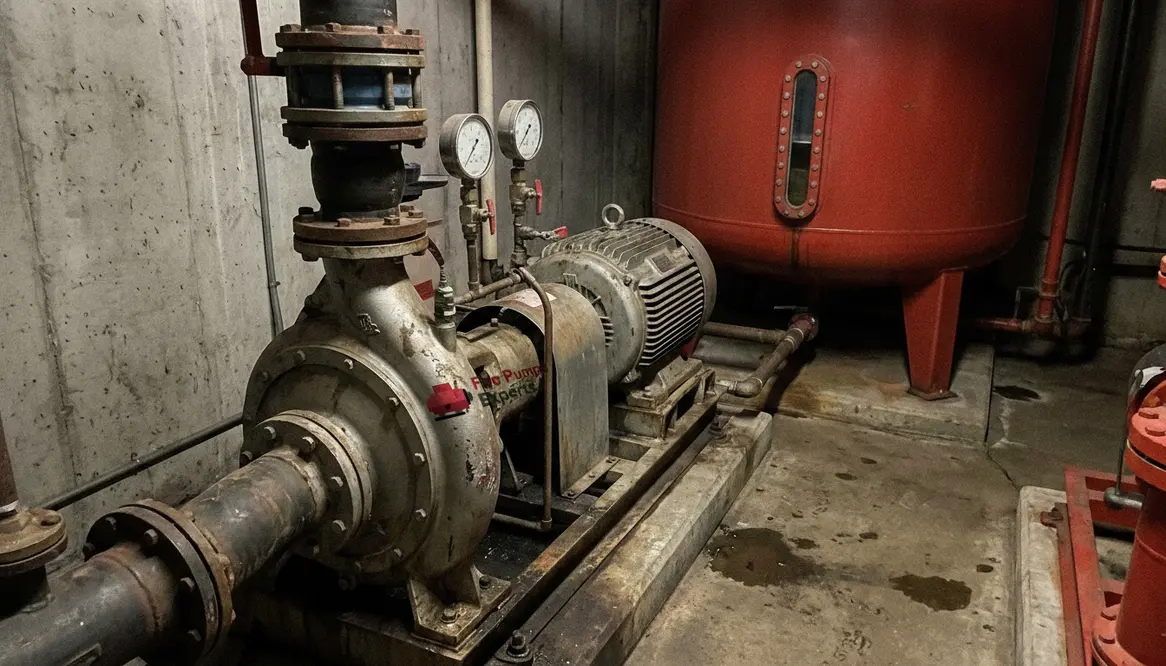
What Happens When a Fire Pump Tank Cannot Refill Fast Enough?
In a commercial or industrial building, the fire water tank refill is not just a background task. It is the quiet muscle behind the fire pump water supply and the wider fire protection water supply that keeps people, equipment, and property safe. When that tank cannot refill fast enough, I do not treat it like a small hiccup. I treat it like the building is sending a very polite but very serious warning. And yes, water pressure has a way of acting dramatic when it matters most, almost like it wants its own movie trailer.
In this article, I will walk through what really happens when refill rate falls behind demand, why it matters for major properties, and what I look at before a small issue turns into a costly outage. I will keep it practical, direct, and useful for commercial and industrial facilities.
What I See First When the Tank Falls Behind
When a fire pump tank cannot refill quickly enough, the first problem is simple. The tank level drops faster than it recovers. That means the pump has less stored water to work with if an alarm, test, or actual fire event happens. I have seen this show up during routine flow tests, and it usually starts with one clue: the water level does not climb back the way it should after the pump runs.
At first, the system may still seem fine. However, the weakness sits there like a loose bolt in a heavy machine. If demand stays high, the tank can draw down farther than planned. Then the pump may start pulling air, the pressure may drop, and the fire system may lose the steady supply it needs. That is not the kind of surprise anyone wants during a real emergency. It is more “plot twist” than “business as usual.”
How the Fire Pump Water Supply Fails Under Demand
When refill cannot keep pace, the fire pump water supply becomes a race with no finish line. The pump may still move water, but the source keeps shrinking. As a result, the system can face pressure swings, short cycling, and weak flow at the worst possible time. In a large facility, that can affect sprinkler performance, standpipe response, and even pump reliability.
Here is what usually happens in plain terms:
- The tank level drops during pump use or testing.
- The refill system does not recover the lost volume fast enough.
- The pump keeps asking for water, but the tank cannot keep up.
- Pressure falls, and the fire system may become unstable.
- Over time, the whole fire protection setup may lose margin and dependability.
Because of that, I always look beyond the pump itself. The real issue may sit in a supply line, valve, control setting, float assembly, or even the site water source. Sometimes the pump gets blamed for the mess, which is unfair. The pump is often the one doing the work while the rest of the system forgot to bring enough lunch.
Why fire water tank refill Problems Matter in Major Facilities
For commercial and industrial properties, a slow refill is not just an equipment issue. It can become a business risk. A warehouse, plant, hospital wing, data center, or tall office building depends on steady water reserves. If the tank cannot recover, the building may not meet the expected fire flow during a real event or even during compliance testing.
That can lead to a few serious outcomes. First, the fire system may struggle to hold pressure over time. Second, repeated low tank conditions can trigger alarms or shutdown concerns. Third, the site may face inspection trouble if the system cannot show proper recovery after use. And finally, the owner may face bigger repair costs later, because small supply problems often grow teeth when left alone.
Here is the simple truth: a fire system is only as strong as its water source. If the tank cannot refill fast enough, the reserve becomes a savings account with a very bad withdrawal policy.
Tank and refill side
- Inlet size and flow rate
- Float valves and level controls
- Blockage, scale, or debris
- Visible leaks or slow seep loss
Pump and supply side
- Pump demand during test runs
- Source pressure and pipe size
- Valve position and control response
- Signs of air intake or unstable suction
I also verify how the system behaves under load, not just when it sits quietly and pretends to be healthy. A tank may look fine on paper, but real use tells the truth. That is why I value test data, field checks, and routine service. In fact, for commercial and industrial sites, I often review the broader system through trusted resources such as los angeles fire pump service guidance and related fire protection support. I also keep electrical coordination in mind, because pump controls and alarms do not run on good intentions alone, and industrial electrical support can matter when a system needs stable power and control.
How I Keep the Fire Protection Water Supply Reliable
To protect the fire protection water supply, I focus on recovery speed, not just storage size. A tank can be large and still fail if it refills too slowly. So I look for a balance between reserve capacity, refill rate, and expected demand. That balance matters most in major properties where fire loads, system tests, and occupancy risks all run higher.
I also recommend routine checks after any change to the site water source, pump setup, or tank hardware. Even a small change can upset the flow path. Moreover, seasonal pressure shifts, maintenance work, and valve issues can all create a refill delay that hides until the system is under stress. The goal is not just to keep water present. The goal is to keep it ready.
If I had to sum it up in one line, it would be this: a strong fire system does not merely store water, it renews it fast enough to stay useful.
FAQ
What I Recommend Next
If your tank cannot refill fast enough, I recommend acting now, not later. I would inspect the source, confirm flow rates, and test the system under real conditions. Then I would fix the weak link before it grows into downtime or a compliance issue. For commercial and industrial properties, that step protects people, assets, and operations. If you want a stronger fire system, start with the water supply. It is the quiet hero, and it deserves better than guesswork.