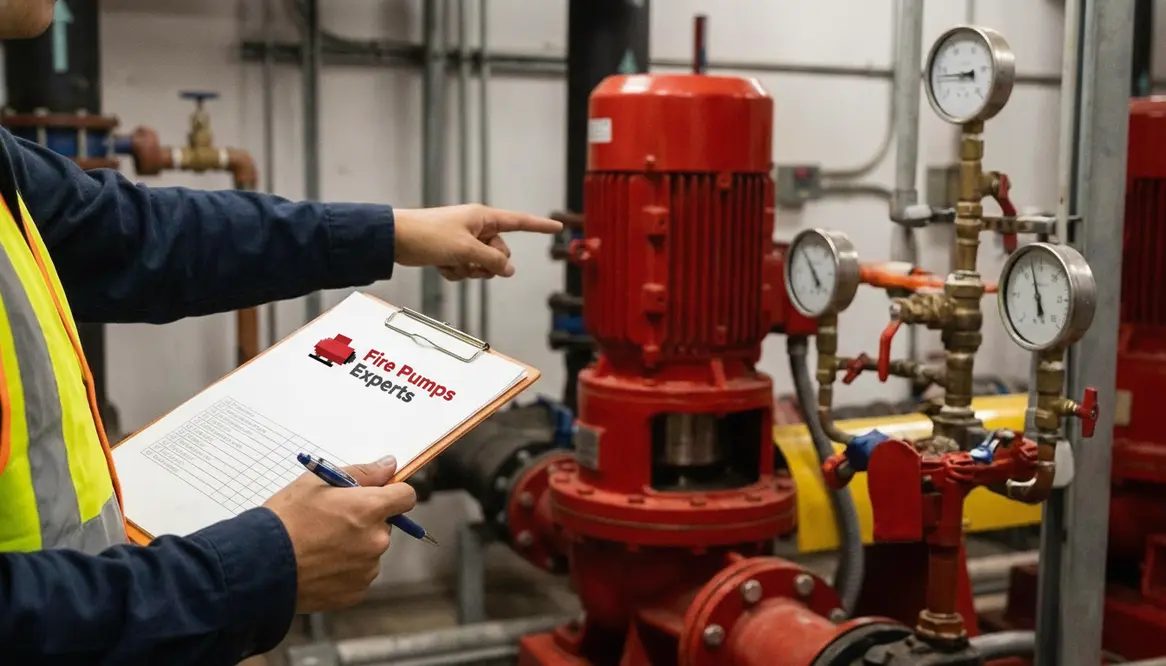
Fire Protection Commissioning Checklist
Fire Protection Commissioning Checklist for Commercial Buildings
When I walk a commercial site before handover, I want one thing above all: proof that every fire system will do its job when the pressure rises. That is where my fire protection commissioning checklist steps in. It keeps the process clean, clear, and hard to argue with, which is handy because fire systems love drama, but building owners do not. In commercial and industrial properties, I treat commissioning as the last big gate before real-world risk meets real-world protection. If the system passes here, it earns its place on the wall, in the ceiling, and in the plan.
What I check before the first test
I start by confirming the basics. First, I review the design documents, shop drawings, and specs so I know the system matches the building use and risk level. Then I inspect the installation for simple but costly misses, like wrong pipe runs, loose fittings, damaged heads, blocked valves, or missing labels. I also check that access stays clear around pumps, panels, risers, and hydrants. A system can look polished on paper, yet still fail if a valve hides behind a storage stack like a tired extra in a low budget action film.
Next, I verify the power and water supply. That includes mains, tanks, pumps, and backup power where required. If the water source cannot support demand, the rest of the system becomes an expensive decoration. I also confirm that alarms, monitoring signals, and control interfaces are ready for testing. At this stage, the goal is simple: remove weak points before they turn into post handover headaches.
Fire protection commissioning checklist for system testing
Once the prep work looks solid, I move into live testing. Here, I follow a disciplined sequence so I can confirm the system responds as designed. I test each major component and watch how it behaves under pressure, flow, and signal conditions. In a commercial building, I care about speed, reliability, and clear notification. The system should react like it has read the script and knows its lines.
Below is the core sequence I use:
- Test fire alarm interfaces and confirm signals reach the monitoring point
- Check pump start, pump run, and automatic changeover functions
- Verify hydrant and hose reel flow and pressure at the correct outlets
- Inspect sprinkler water delivery and alarm operation
- Confirm valve tamper switches and supervisory signals work properly
- Check emergency power or backup supply performance under load
Just as important, I document every result as I go. That record matters because the building team, the owner, and the certifier all need a clear trail. Also, when a fault shows up, the notes help me fix it fast instead of chasing ghosts through the plant room like a budget detective series.
How I verify pumps, hydrants, and sprinklers
I give fire pumps, hydrants, and sprinklers special attention because they do the heavy lifting in a fire event. For pump and hydrant performance, I use the guidance in this AS 2419 fire pump and hydrant performance guide as a useful reference point during checks. It helps me compare the installed setup with expected performance and spot weak flow or pressure early.
I also keep one eye on water delivery paths. If a pump cannot hold pressure, or if hydrants do not deliver the required flow, then the whole protection plan needs more work. Sprinklers must open and discharge as intended, while alarms should trigger without delay. In industrial facilities and major properties, that level of certainty is not optional. It is the difference between control and chaos, and nobody wants chaos with a clipboard.
Why documentation matters for compliance and handover
I never treat paperwork as an afterthought. In fact, commissioning records often decide how smoothly the handover goes. I compile test sheets, fault logs, corrective action notes, photo evidence, and sign off forms. Then I make sure the results match the compliance path for the site and the local authority requirements.
Here is the simple truth: if I can prove the system was tested, corrected, and re tested, I protect the owner, the contractor, and the building users. That documentation also helps future maintenance teams understand what was installed and how it behaved on day one. In a large commercial building, that kind of clarity saves time, money, and a fair bit of stress.
Need a quick commissioning summary for busy teams?
Here is the fast version I use when I need the big picture in plain language. If you are working off your own fire protection commissioning checklist, this keeps the focus on the essentials without losing the thread.
Column 1
- Review design and site conditions
- Inspect installation quality
- Test pumps, hydrants, sprinklers, and alarms
Column 2
- Confirm backup power and water supply
- Record faults and retest as needed
- Issue final sign off documents
FAQ
Conclusion
If you manage a commercial or industrial site, do not leave fire protection to chance. Use a clear commissioning process, test every critical function, and document each step with care. I recommend treating your fire protection commissioning checklist as a final line of defense before handover. For expert support with commercial and industrial fire systems, now is the time to review your setup, fix weak points, and make sure your building stands ready when it matters most. When the next site walk comes around, your fire protection commissioning checklist will be the reason the system behaves like it is meant to, not like it is improvising.