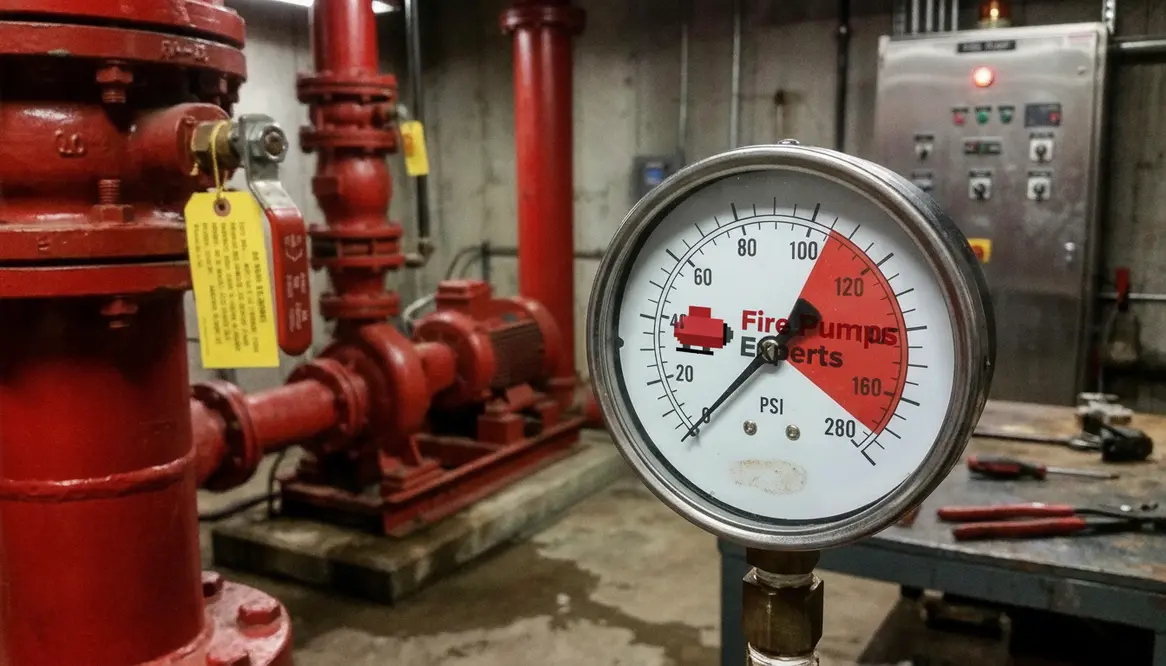
Fire Pump Pressure Too High Causes and System Risks
Fire Pump Pressure Too High? Common Causes and System Risks
I have seen more than a few fire pump rooms where the gauges looked like they were auditioning for a pressure crisis. When fire pump pressure too high shows up, it can feel like a win at first glance. After all, more pressure sounds better, right? Not quite. In commercial and industrial facilities, and in major property buildings, too much pressure can stress the whole system, create safety issues, and cause expensive damage. So, let me walk you through what drives the pressure up, what it can break, and what I would check first before the system starts acting like a caffeinated superhero.
Why Fire Pump Pressure Climbs
Common causes in commercial systems are usually straightforward, and often stack up together.
in Commercial Systems
In my experience, high discharge pressure usually comes from a few common causes. First, the pump may be sized too large for the system demand. That means the pump pushes harder than the building needs. Next, a pressure relief valve may be set too high or may fail to open at the right time. Also, a closed or partly closed valve can trap pressure and make the readings jump.
Here is the short version:
- Oversized pump creates more pressure than the system can use
- Poor control settings let the pump run past the safe range
- Blocked piping or closed valves trap pressure in the line
- Faulty relief devices fail to protect the system
- Wrong test conditions can make the pump look stronger than it really is
However, the pump is not always the villain. Sometimes the system design itself pushes the pressure up. For example, a building with a tall riser or long pipe runs may create pressure swings that look harmless on paper but turn into a real headache in the field. And yes, the gauge is not lying just to ruin your day. It is simply reporting what the system is doing.
What Too Much Pressure Can Damage
When fire pump pressure stays above the safe range, I look at the whole system, not just the pump. Excess pressure can strain pipes, fittings, and sprinkler heads. It can also wear out seals faster and shorten the life of valves. Over time, that extra stress turns into leaks, broken parts, and unreliable fire protection.
Dual column view of common risks and what I watch for
System Risk
Pipes can crack, fittings can loosen, and joints may leak under constant pressure.
System Risk
Sprinkler heads may react poorly if pressure pushes past the intended range.
System Risk
Valves and seals may wear faster than they should.
System Risk
Excess pressure can cause false confidence during an emergency.
What I Check
I inspect pipe supports, joints, and signs of water seepage near high stress points.
What I Check
I review head ratings, system zones, and any signs of uneven discharge.
What I Check
I test valves for smooth operation and look for early seal failure.
What I Check
I verify that the pump curve and actual field readings match the design intent.
And that last point matters. A system that looks powerful but is not controlled well can behave like a sports car with bald tires. Fast in theory, messy in practice.
How I Compare Pressure Settings to the Design
Before I touch anything, I compare the pump curve, the system demand, and the installed equipment ratings. This step helps me see whether the pressure is truly high or simply high for a specific test point. In fire protection, context matters. A pump may perform within range at one point and still create trouble at another.
That is why I also review the building type and use. In large commercial or industrial facilities, the system must support real demand, not just look good during a brief test. If a pressure reading sits above the target range, I check the control panel, the jockey pump settings, and any pressure switches. Then I confirm that all valves sit where they should. Sometimes the fix is simple. Other times, the system needs a deeper review, because the pressure problem started long before the gauge complained about it.
When High Pressure Becomes a Safety Problem
High pressure is not just a maintenance issue. It can become a safety issue fast. For one thing, a stressed system may fail when it needs to perform under fire conditions. Also, sudden pressure changes can damage components during startup or shutdown. That can lead to water hammer, which sounds dramatic because it is dramatic. The pipes do not enjoy being slammed by pressure spikes any more than I enjoy cold coffee before sunrise.
In serious cases, I treat high pressure as a sign that the system needs immediate attention. If the pump runs beyond the expected range, I want answers before the equipment wears down or a hidden flaw turns into a shutdown. For commercial and industrial properties, downtime is not just annoying. It can disrupt operations, raise repair costs, and create compliance issues.
For more technical guidance, I often refer to the AS 2419 fire pump and hydrant performance guide when checking pressure behavior against expected performance. You can also review los angeles fire pump services for commercial facilities when you need specialized support for large properties. In addition, I recommend keeping this reference close: AS 2419 fire pump and hydrant performance guide.
FAQ
Conclusion
If fire pump pressure too high is showing up in your facility, I would not wait for the system to sort itself out. Pressure problems rarely fix themselves, and they often grow quietly. So, inspect the controls, review the design, and verify the pump against real demand. If you manage a commercial or industrial building, or a major property, now is the time to act. Get the system checked, protect the equipment, and keep your fire protection ready when it matters most.