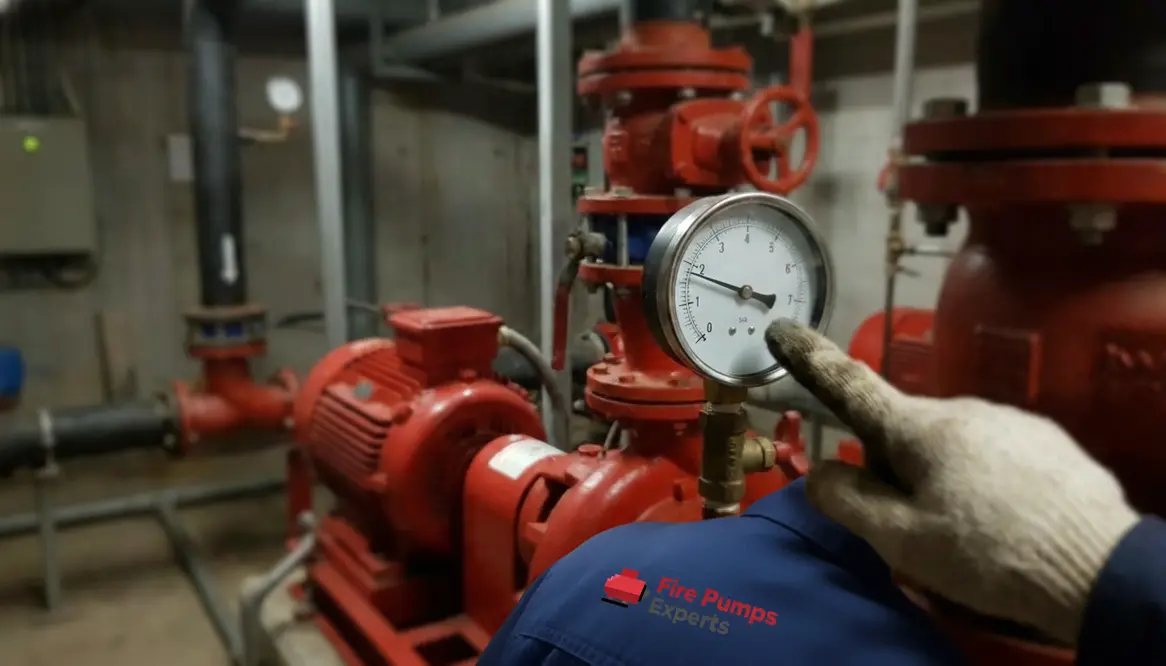
Fire Pump Pressure Too Low Diagnose the Cause
Fire Pump Pressure Too Low? How to Diagnose the Cause
When fire pump pressure too low shows up on a gauge, I do not shrug it off. I treat it like a smoke alarm with a jazz solo in the background. It might be harmless. It might not. In a commercial or industrial building, weak pressure can leave sprinklers and hydrants doing their best impression of a garden hose. That is not the kind of surprise anyone wants on a Monday morning.
So, I start with the basics, then move step by step. The goal is simple: find the real cause fast, protect the system, and keep the building ready to perform when it matters most.
Start With the Pressure Reading
First, I check whether the reading is real or just a bad gauge playing drama queen. A worn gauge, loose fitting, or blocked sensing line can make the pressure look low when the pump is actually fine. So, I compare the gauge at the pump with another trusted test point if I have one.
Next, I look at when the pressure drops. If it stays low all the time, the issue may point to supply, pump wear, or a valve problem. However, if the pressure falls only during demand, then the system may be struggling under flow. That difference matters, because it helps me avoid chasing the wrong ghost.
Check the Water Supply First
After the reading, I move to the water source. A fire pump cannot create water out of thin air, even though that would be handy and would save many maintenance calls. If the tank level is low, the suction line is restricted, or the city supply is weak, the pump will lose its edge fast.
I inspect for these issues:
- Low tank volume or low inlet pressure
- Partly closed suction valve
- Clogged strainer or blocked suction pipe
- Air leaks on the suction side
- Frozen, damaged, or settled pipework
Also, I listen for changes in sound. A pump that pulls in air often sounds rough, and it may vibrate more than normal. That can point to cavitation, which is a fancy word for the pump eating bubbles and regretting every bite.
Diagnose Pump Problems Step by Step
How do I know if the pump itself is the problem?
I look at wear, speed, and performance. A pump can lose pressure if the impeller wears down, the casing leaks, or the motor runs below speed. Belt drive issues, engine trouble, or poor alignment can also cut output. So, I check the unit as a whole, not just one part.
Here is the quick way I break it down:
Test point
Check suction pressure, discharge pressure, and flow side by side. If suction looks weak, the issue often starts upstream. If suction looks fine but discharge stays low, the pump may need repair or adjustment.
Mechanical signs
Look for hot bearings, leaks, noise, vibration, and slow startup. These clues often appear before a full failure, which is helpful because fire systems rarely care about your calendar.
Then, I review the pump curve or performance guide. If the unit no longer meets expected flow at the required pressure, I know I need to dig deeper. For a useful reference on performance checks, I would point to the AS 2419 fire pump and hydrant performance guide. It gives a solid framework for checking whether the system still meets design needs.
Look at Controls, Valves, and Demand
Sometimes the pump is blamed when the real issue sits in the controls or on the demand side. I check the start sequence, pressure settings, and controller alarms. If the pump starts late, cycles oddly, or never reaches full speed, pressure will suffer. That is the mechanical version of showing up to work in flip flops.
I also inspect the valve layout. A partially closed isolation valve, a faulty check valve, or a clogged test line can reduce pressure and flow. In large commercial and industrial sites, I never ignore the demand side either. If multiple systems draw water at once, the pump may be doing honest work under heavy load.
When to Test the System Again
I always retest after I make any correction. One test tells me where the system stood. The second test tells me whether I fixed the right thing. I run the pump under the proper load, compare readings, and confirm stable operation.
If the pressure stays low after supply checks, pump inspection, and control review, I step back and look at the full system design. At that point, the issue may involve aging equipment, poor sizing, or changes in the building that now exceed the original setup.
For a deeper look at fire pump solutions for los angeles fire pump needs in commercial and industrial facilities, I would also review this los angeles fire pump page. It helps connect diagnosis with the right service path.
FAQ
Call to Action
If your fire pump pressure still looks too low, I recommend acting now, not later. A small issue can turn into a serious system failure in a hurry. Reach out for a full inspection, pressure test, and repair plan built for commercial and industrial properties. I can help you trace the cause, restore proper performance, and keep your fire protection system ready for the real world, not just the paperwork.