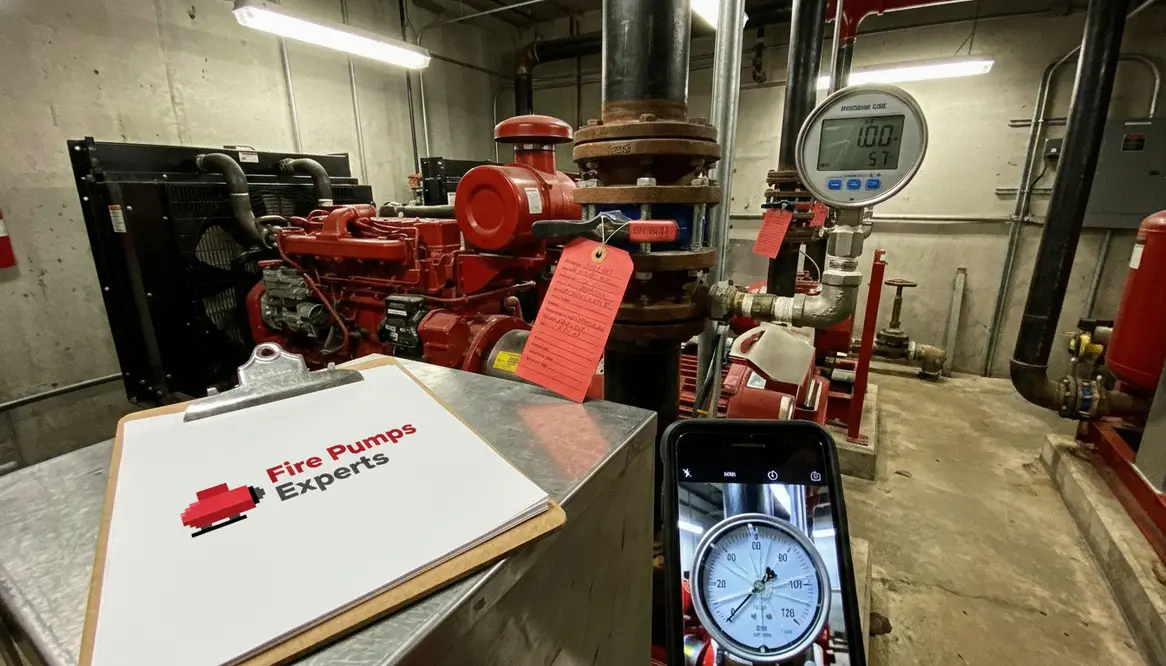
AS 1851 Fire Pump Defect Reporting Guide Tips
When I talk about AS 1851 fire pump checks, I am talking about more than a box to tick. I am talking about a system that can stand between a building and a very bad day. In commercial and industrial facilities, and in major property buildings, fire pumps play a quiet but serious role. They sit there, ready for action, until the moment they are not. That is why defect reporting matters. A small issue today can become a costly failure tomorrow, and nobody wants that movie plot twist.
In this guide, I break down how I approach defect reporting under AS 1851, what to look for, how to document it, and how to act fast when a problem shows up. I keep it practical, because compliance should not feel like reading the phone book in a thunderstorm.
What I check first in a fire pump inspection
I start with the basics, because the basics often tell the real story. First, I look at the pump room, the control panel, the fuel or power supply, valves, gauges, and any signs of leaks, heat, rust, or damage. Then I confirm the pump status and check whether the unit starts and runs as it should.
Next, I compare what I see with the service records. If a pressure issue, alarm fault, or start failure already showed up in past reports, I take that seriously. Trends matter. One odd reading may be a fluke. However, three odd readings start to look like a pattern, and patterns deserve attention.
I also keep an eye on access and safety. If staff cannot reach the pump room quickly, or if the area is cluttered, then the site has a bigger problem than a simple maintenance note. A fire pump should not need a rescue mission before the actual emergency.
How I report defects under AS 1851
Here is the core of the process. I record the defect clearly, give it context, and state the impact. A good report does not just say “fault found.” It explains what failed, where it failed, when it was noticed, and why it matters.
I usually include:
- The asset name and location
- The date and time of inspection
- The exact defect or abnormal finding
- The test result or observation that confirmed it
- The risk to system performance
- The recommended follow up action
- The urgency level
For example, if the pump fails to start on demand, I do not dress it up in fancy language. I call it what it is. That sort of defect affects fire protection straight away, so it needs prompt repair and clear escalation. On the other hand, a minor label issue may still need fixing, but it does not carry the same level of urgency. Common sense still has a seat at the table.
What counts as a defect and what does not
This is where people sometimes get tangled up. Not every note in a service report is a defect, but every defect should be documented. A defect means the pump, its controls, or its support gear cannot perform as intended, or may not perform under fire conditions.
Common fire pump defects to watch for
- Failure to start or stop correctly
- Low pressure or unstable pressure
- Battery or power supply problems
- Fuel issues on diesel driven pumps
- Leaks from seals, pipes, or fittings
- Damaged gauges, alarms, or control parts
- Corrosion, vibration, or unusual noise
Meanwhile, a clean filter or a normal test log is not a defect. It is just a sign that the system is behaving itself, which is nice for a change. Still, I never assume a system is fine just because it looked fine last month. Fire protection likes proof, not optimism.
AS 1851 fire pump reporting for commercial sites
For commercial and industrial sites, the reporting process should be fast, clear, and easy to track. I find it helps to think in two columns when I review defects.
Column one: what I see
Abnormal noise, failed start, loss of pressure, visible leak, control fault, or damaged part.
Column two: what I do next
Isolate risk if needed, notify the right contact, arrange repair, update service records, and confirm the issue gets closed out.
This simple split keeps the process moving. It also helps building managers, facility teams, and technicians stay on the same page. In large sites, that matters a lot. Nobody wants six emails, two phone calls, and one mystery note just to find out a pressure switch gave up the ghost.
If you want a broader maintenance framework, I recommend reviewing AS 1851 fire pump service guidance for major properties. It gives useful context for ongoing inspection and maintenance planning.
How I keep defect records useful
A report should help the next person act, not just admire my handwriting or my typing skills. So I keep records simple, factual, and consistent. I avoid vague words like “appears okay” when I can give a real finding. I also make sure the repair history stays linked to the defect history.
That way, I can see whether a part keeps failing, whether the same issue returns after repair, or whether the system needs a deeper look. Good records save time, reduce confusion, and support compliance. More importantly, they help protect the building when it counts. The AS 1851 fire pump requirements only really work when the paperwork tells the truth.
When I look back over a year of inspections, I want to see a clear story: what failed, how fast it was fixed, and whether the fix lasted. That story is what turns an AS 1851 fire pump inspection from a routine schedule item into a useful risk tool.
AS 1851 fire pump FAQs
These quick answers keep defect reporting grounded in reality, not just paperwork.
Conclusion
If you manage a commercial, industrial, or major property site, I suggest treating fire pump defects as urgent business, not background noise. Clear reporting keeps your system honest, your records useful, and your risk lower.
So review your inspection process, tighten your defect logs, and act quickly when something looks wrong. If you need a practical next step, make AS 1851 reporting part of your routine today and keep your fire protection ready when it matters most.