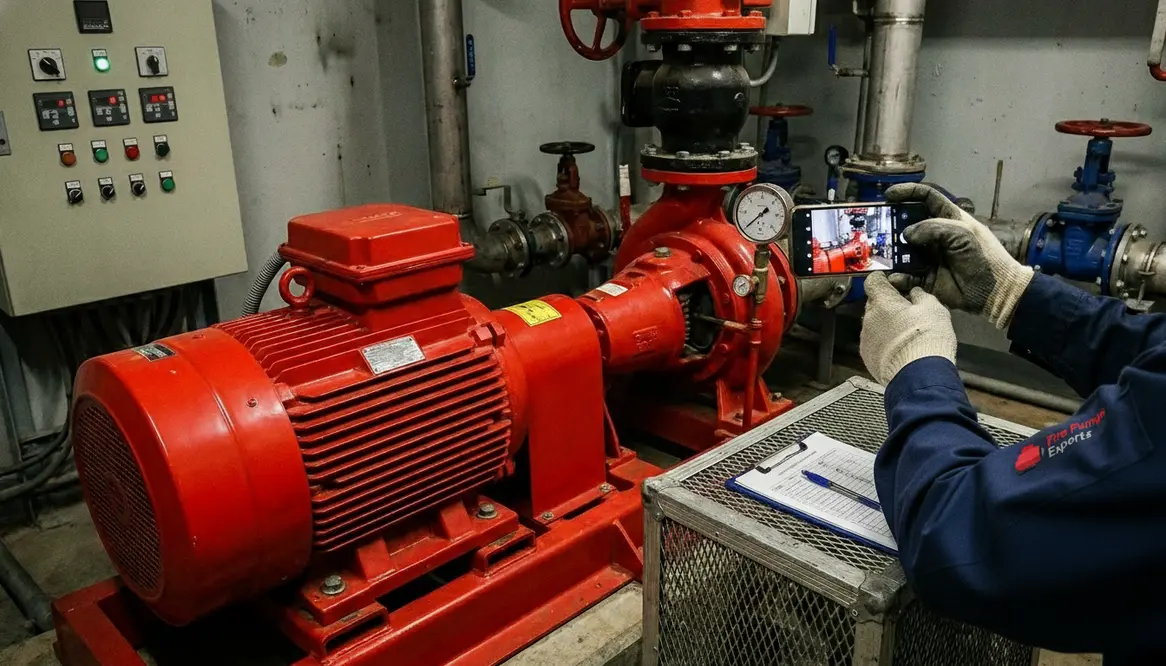
AS 1851 Electric Fire Pump Maintenance Guide
I have seen a fire pump sit quietly in a plant room for months, looking about as exciting as a locked broom closet. Then one day, it has to perform like the star of the show. That is why AS 1851 electric maintenance matters so much for commercial and industrial facilities, plus major property buildings. It keeps the electric fire pump ready when the pressure drops and the alarms start talking. In simple terms, I follow the standard so the system works when people need it most, not when it feels like it. And yes, that is the kind of drama nobody wants at 2 a.m.
What AS 1851 expects from electric fire pump care
I treat AS 1851 as the rulebook for keeping fire protection systems in proper shape. For an electric fire pump, that means I do more than glance at the panel and nod like I understand the machine’s feelings. I check the pump, controller, power supply, valves, gauges, and alarm signals on a set schedule. I also make sure the system can start, run, and stop the way it should.
Most importantly, I look for small issues before they turn into large ones. A loose cable, a stuck valve, or low battery backup on controls can create real trouble later. So, I stay ahead of it. That is the whole game.
How I inspect an electric fire pump system
I begin with a visual check of the room and the equipment. Then I move step by step through the system. First, I confirm the pump area stays clean, dry, and easy to access. Next, I inspect the controller lights and status indicators. After that, I check for leaks, corrosion, heat marks, odd sounds, and anything that looks out of place. If a pump room smells like trouble, it usually is.
I also verify the pump suction and discharge conditions, because poor water supply can make even a healthy pump act like it forgot its lines. Then I test start the unit and watch how it responds. I listen for smooth operation and note any vibration or delay. Finally, I record every result. Good records help me spot patterns, and they also help during audits, which is handy when the paperwork starts acting like a second job.
Electric fire pump maintenance schedule for commercial sites
I use a regular schedule so nothing gets missed. Here is the simple version I follow for commercial and industrial buildings:
Task
Daily visual checks
Weekly start tests
Monthly controller review
Quarterly system inspection
Annual service review
Purpose
Catch obvious faults early
Confirm the pump starts as expected
Check alarms, power, and status lights
Look deeper at wear, alignment, and condition
Test performance and confirm compliance
This routine keeps the system ready, and it also supports compliance with the fire safety plan for the building. However, I never treat the schedule like a box ticking exercise. The point is readiness, not paperwork theater.
What I look for during AS 1851 electric fire pump tests
When I test the pump, I want to know if it can do the real job under pressure. I check flow, pressure, startup time, and stable running. I also watch the controller for faults or warning signals. If the motor struggles, the breaker trips, or the pump fails to hold performance, I treat that as a red flag.
Then I look at the power side. Because this is an electric fire pump, reliable power matters just as much as the pump itself. I confirm the supply is secure and the controls respond correctly. In many large facilities, that means working with backup power systems too. After all, a fire does not care about office hours, and neither should the pump.
How I keep compliance simple for busy property teams
Property teams already juggle tenants, assets, budgets, and enough emails to make a person question modern life. So, I keep compliance simple by following a clear process. I set inspection dates, log results, fix faults fast, and keep reports easy to read. If a defect shows up, I do not let it sit like an uninvited guest at a very expensive dinner.
I also make sure the maintenance provider understands commercial fire systems, not just small site equipment. Large buildings need proper checks, proper records, and proper follow through. If you want extra guidance, I suggest reviewing AS 1851 fire pump compliance information alongside your site plan. That keeps the standard clear and helps support better decisions.
Keeping AS 1851 electric maintenance on track
Staying ahead of AS 1851 electric requirements means treating the pump as critical infrastructure, not just another box in the plant room. I keep checklists current, update them when the site changes, and make sure every test relates back to one simple question: would this system do its job if the worst case rolled in tonight?
That mindset closes the gap between theory and reality. It also stops AS 1851 electric maintenance from turning into a yearly surprise when audit season arrives and everyone suddenly remembers the fire pump exists.
FAQ
Conclusion
I see AS 1851 electric fire pump maintenance as a must for any commercial or industrial facility that values safety, uptime, and peace of mind. So, do not wait for a fault to make the first move. Build a clear schedule, keep strong records, and act on defects quickly. If you manage a major property, now is the time to review your system and stay ahead of trouble. Your fire pump should be ready before the moment arrives.