AS 1851 Diesel Fire Pump Maintenance Guide
AS 1851 Diesel Fire Pump Maintenance Guide for Commercial and Industrial Buildings
When I talk about AS 1851 diesel fire pump care, I am talking about more than a box of metal that sits quietly in a plant room and waits for trouble. I am talking about a system that must work when the pressure rises and the stakes get very real. For commercial and industrial facilities, major property buildings, and large critical sites, regular care keeps the pump ready, compliant, and less likely to turn into a very expensive paperweight. Nobody wants that plot twist. In this guide, I will walk through the key checks, service steps, and compliance habits that keep your diesel fire pump dependable under Australian standards.
What AS 1851 diesel fire pump maintenance covers
AS 1851 sets the routine inspection and testing expectations for fire protection systems, and diesel fire pumps sit near the heart of that work. I use it as the rulebook for keeping the pump, engine, fuel, battery, controls, and accessories in proper shape. In simple terms, maintenance means I do not wait for a failure to tell me there is a problem. Instead, I check the system before the system checks me. That approach protects life, property, and business continuity, especially in sites where downtime can cost more than a movie ticket for the whole cast of Avengers.
How I inspect the diesel fire pump each month
Visual checks that prevent surprise failures
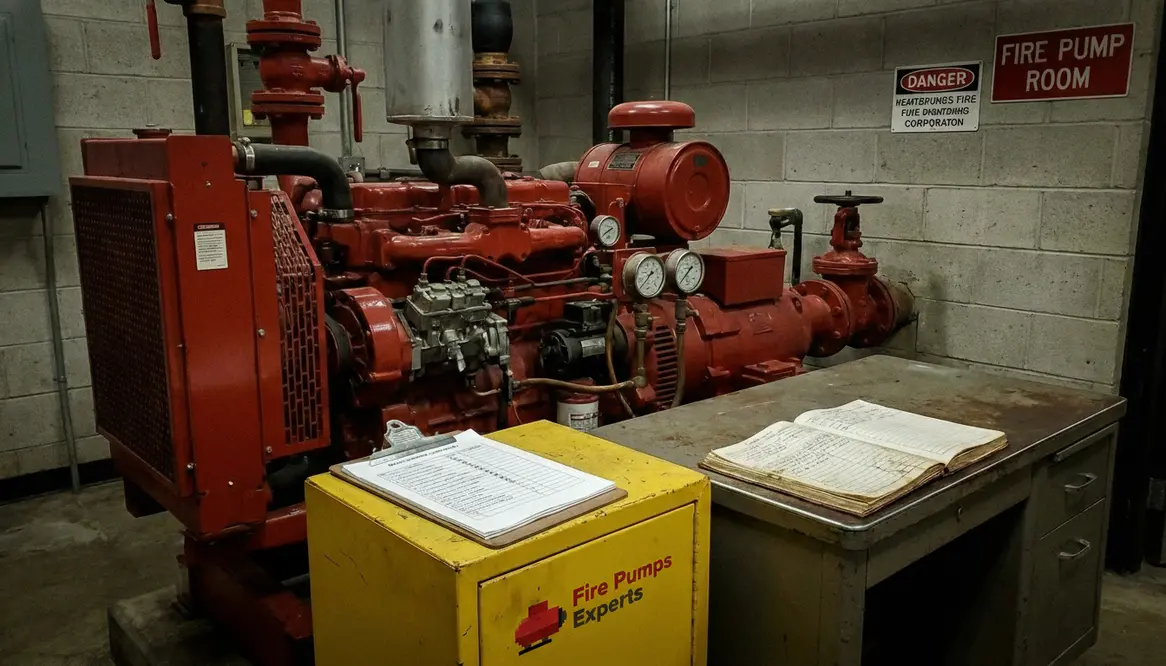
I start with a visual inspection because small clues often reveal big issues. First, I check for leaks, rust, loose fittings, damaged wiring, and blocked airflow around the unit. Then I confirm the fuel level and make sure the day tank stays clean and secure. I also look at the battery condition, charger status, and any alarms on the control panel. After that, I examine the gauges and record the readings. This simple routine helps me spot wear early, and it keeps the plant room from becoming a drama series with an ugly ending.
Running and performance checks
Next, I test the starting sequence. I want the engine to start promptly, run smoothly, and hold stable pressure. If it hesitates, smokes too much, or sounds rough, I treat that as a warning sign. I also inspect the cooling system, belts, and exhaust path because a diesel pump that overheats is about as useful as a superhero without a suit.
Why regular testing matters for compliance and reliability
Testing does more than satisfy a checklist. It proves the pump can deliver water when the fire system calls for it. I usually pay close attention to weekly start tests, monthly operational checks, and longer flow related assessments where required by the site plan and maintenance schedule. These tests help confirm battery strength, engine response, fuel quality, and overall system health.
Just as important, regular testing creates a record. That record matters during audits, insurance reviews, and building compliance checks. If a question comes up, clear logs show that the facility followed a planned maintenance program instead of hoping for the best. Hope is nice for birthdays. It is not a fire protection strategy.
AS 1851 diesel service steps I never skip
Here is the part where discipline pays off. I keep a tight service routine so the pump stays ready for a real emergency. When I apply AS 1851 diesel routines properly, the system behaves like a well-rehearsed safety team instead of an improv act.
Dual column maintenance focus
Component
Fuel system, batteries, coolant, belts, filters, controller, valves, piping, starting circuit, engine condition
What I check
Clean fuel, no contamination, strong charge, proper fluid levels, tight drive parts, clear alarms, correct valve position, secure pipework, fast start response, stable operation
I also replace worn parts before they fail. Filters clog. Batteries age. Fuel breaks down. Therefore, I treat service intervals as a shield, not a suggestion. I clean the unit, top up fluids, tighten fittings, and verify that all moving parts operate within the expected range. If the site has high dust, heat, or long idle periods, I inspect more often because harsh conditions do not care about our schedules.
How I handle fuel, batteries, and engine health
Fuel care for reliable AS 1851 diesel performance
Diesel systems depend on clean fuel and a strong start every time. So, I monitor fuel quality and look for water, sludge, or microbial growth in storage tanks and day tanks. Contaminated fuel can ruin performance fast, and nobody wants a fire pump that develops a bad attitude when things heat up.
Battery checks that keep the pump ready
I give batteries equal respect. A weak battery can stop the whole pump from starting, which makes it one of the most important parts in the room. I check voltage, connections, charging rate, and corrosion. Then I confirm the charger works properly and supports the battery during standby periods.
Engine health for the long term
The engine itself also needs care. I listen for unusual noise, check smoke levels, and review temperature and pressure readings. Moreover, I watch for oil leaks and worn hoses. A healthy engine starts cleanly, runs within spec, and shuts down correctly after testing. Keeping the engine within the expectations of AS 1851 diesel procedures is one of the simplest ways to avoid failure when a real alarm hits.
Where to find help for AS 1851 diesel maintenance
When a facility needs expert support, I recommend working with specialists who understand commercial and industrial fire systems, not general handymen with a wrench and a dream. For a useful reference on maintenance expectations and service support, I suggest reviewing AS 1851 diesel fire pump maintenance services for commercial facilities. That kind of resource helps building managers, asset teams, and compliance staff stay on track with the right level of care.
FAQ
Conclusion
If you manage a commercial or industrial property, I urge you to treat AS 1851 diesel maintenance as a core safety duty, not a side task. A well kept fire pump protects people, assets, and operations when the heat is on. Therefore, keep the checks regular, the records clean, and the service team qualified. If you want dependable compliance and fewer surprises, now is the right time to schedule a proper maintenance review and keep your system ready for the moment that matters most.