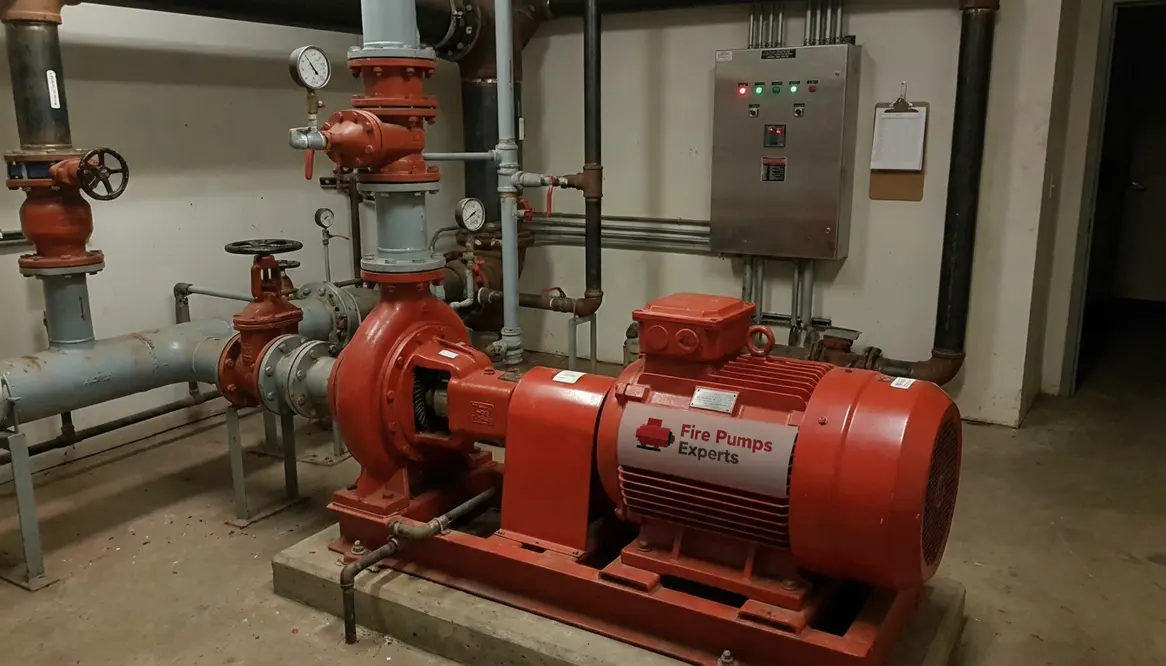
AS NZS Fire Pump Compliance Guide for Buildings
AS/NZS Fire Pump Compliance Guide
When I talk about AS/NZS compliance, I am talking about the quiet hero behind a building’s fire protection system. It does not ask for applause, and frankly, it never gets the dramatic soundtrack. Yet when a fire event hits, a compliant fire pump can help keep water moving when it matters most. For commercial and industrial facilities, and for major property buildings, this is not a box ticking game. It is about safety, uptime, and meeting the rules that keep people and assets protected.
In this guide, I will walk through the key parts of fire pump compliance in a clear way, so you can see what matters, why it matters, and what to check before trouble shows up uninvited.
What fire pump compliance means in real life
Fire pump compliance means the fire pump system meets the right Australian and New Zealand standards, works as designed, and supports the fire system during an emergency. In practice, that means the pump, power supply, controller, suction line, valves, alarms, and test records must all work together. If one part slips, the whole setup can wobble like a cheap table at a wedding.
For commercial and industrial sites, I always look at the system as a chain. If the pump cannot deliver the pressure or flow needed, the rest of the fire system may lose strength. That is why AS/NZS compliance is not just paperwork. It shapes how the pump is selected, installed, tested, and maintained.
Also, good compliance helps reduce risk during audits, insurance reviews, and site inspections. Nobody enjoys scrambling through old logbooks while a compliance officer waits with the calm stare of a Jedi master. So yes, records matter.
How I check AS/NZS compliance in a fire pump system
When I check a fire pump setup, I start with the basics and move step by step. First, I confirm the system matches the building’s fire protection design. Then I review the pump type, duty rating, controller setup, and power source. After that, I look at installation quality, access space, ventilation, and how easy it is to test and maintain the unit.
Here is the short version of what I verify:
Key compliance checks at a glance
Key item
Pump rating and duty point
What I check
The pump must match the required flow and pressure for the site
Key item
Power supply
What I check
The pump must have a reliable source of power and backup where required
Key item
Controller and alarms
What I check
The system must start, signal faults, and show clear status
Key item
Access and clearance
What I check
Staff must be able to inspect, test, and service the unit safely
Key item
Documentation
What I check
Test reports, maintenance logs, and compliance records must be current
System suitability
Building type and fire protection needs
What I check
The setup suits the site, whether it is a distribution centre, high rise, or major commercial building
Because fire pump systems support critical sites, I also check whether the setup suits the building type. A distribution centre does not behave like a high rise tower, and a major commercial building does not need guesswork. It needs the right system, installed the right way, from the start.
Why installation details decide success
How small choices affect big outcomes
Installation can make or break compliance. Even a strong pump can struggle if the pipework is poor, the suction conditions are weak, or the room layout blocks maintenance. I have seen systems lose performance because someone treated the pump room like a storage cupboard. That is a bold move, and not a smart one.
Good installation should support stable water supply, proper cooling, safe electrical setup, and clear access for testing. It should also allow the pump to run without heat build up or vibration issues. These small details matter because fire pumps do not get a warm up act. They must perform on demand.
For commercial and industrial facilities, I always recommend checking the pump room conditions early in the project. That helps avoid costly redesign later. And as any project manager knows, late fixes are never funny when invoices arrive.
Testing, maintenance, and record keeping for major properties
Keeping AS/NZS compliance alive after handover
Once the system is installed, the work does not stop. In fact, this is where many sites drift. Regular testing and maintenance keep the pump ready for duty and help prove ongoing AS/NZS compliance. I always push for a clear schedule that covers weekly checks, periodic run tests, alarm tests, and full service inspections.
When I review records, I want to see more than a signature on a clipboard. I want to see dates, results, faults found, repairs made, and proof that issues were closed out. If a test failed in January and no one fixed it by March, the paperwork starts to tell a story nobody wants to read.
Good records also help with audits and insurer questions. In major property buildings, this can save time, money, and a great deal of stress. Besides, a tidy logbook is like a tidy kitchen. It tells me someone there still has hope.
AS/NZS compliance checklist I use before sign off
Practical checklist for building owners and managers
Before I would call a fire pump system ready, I use a simple sign off check. It helps me stay focused and helps the site team see what still needs attention. It also keeps AS/NZS compliance visible instead of buried in a file somewhere.
- Flow and pressure match the system design
- Power supply supports the pump during normal and emergency use
- Controller starts and signals correctly
- Pipework and valves are installed and labelled properly
- Access allows safe inspection and maintenance
- Test records are complete and current
- Faults are repaired and documented
- Site use matches the pump system design for a commercial or industrial setting
For more detailed support, I suggest reviewing the fire pump compliance support for commercial and industrial facilities. It can help when you need a clearer path through the standards and site requirements.
FAQ
These are some of the questions I hear most often when people start taking AS/NZS compliance for fire pumps seriously.
What I want you to do next
Turning insight into action
If you manage a commercial or industrial site, do not wait for a fault to expose the weak spots. Review your fire pump system now, compare it against the right standards, and fix the gaps before they grow teeth. If you want peace of mind, I can help you move from uncertainty to a clear compliance plan. Let’s make sure your fire pump is ready, your records are clean, and your building stands prepared when it counts.