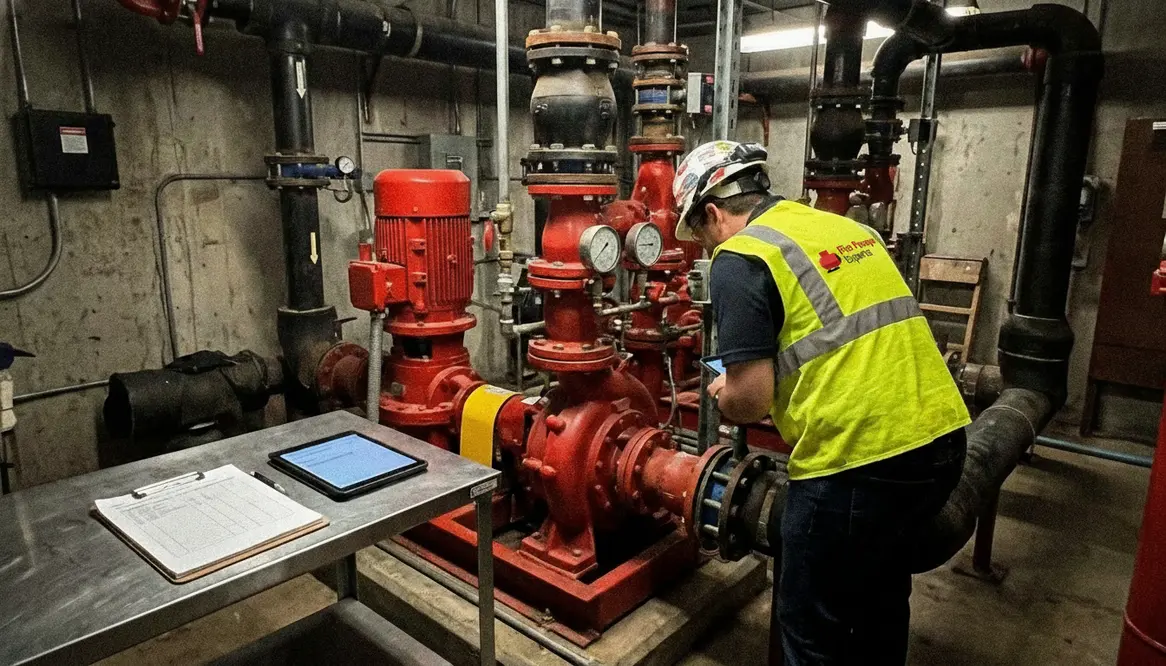
BS EN 12845 Commercial Fire Pump Compliance Guide
A practical look at BS EN 12845 commercial fire pump compliance, why it matters, and how to keep protection ready when the heat is on.
BS EN 12845 commercial fire pump compliance sounds like one of those topics that only gets attention when someone in a hard hat starts looking serious. Yet I have learned that this standard sits at the heart of fire protection in commercial and industrial buildings. It shapes how a fire pump system must perform, how it must be tested, and how it keeps water ready when every second matters. In a big property, I do not want guesswork. I want a system that works when the alarm rings and the pressure drops. That is where compliance becomes more than paperwork. It becomes protection with a pulse.
Why this standard deserves attention
Fire protection in a commercial setting is rarely about gadgets. It is about whether water moves at the right pressure, to the right place, at the right time. BS EN 12845 commercial requirements pull all of that into one rulebook so the pump, pipework, and sprinklers act together instead of gambling with luck.
What BS EN 12845 Means for Fire Pump Compliance
When I look at BS EN 12845, I see a clear rule set for automatic sprinkler systems in commercial and industrial facilities. It tells me how the water supply should behave, how the pump should support the system, and how the whole setup should stay dependable. In simple terms, the standard helps make sure the building does not rely on hope, which is not a strong fire strategy. Hope is fine for lottery tickets, not fire pumps.
The standard matters because it links the pump to the wider sprinkler system. So, if the pump fails, the system loses its edge. That is why I treat compliance as a full system issue, not just a pump issue. I also keep in mind that the standard supports major properties with real fire loads, real people, and real risk.
The role of BS EN 12845 commercial in real sites
In the commercial world, a fire pump is never just a pump. It protects production lines, data centers, warehouses, offices, and people who expect to walk out safely at the end of the day. BS EN 12845 commercial criteria give those pumps a performance floor so no one has to guess whether the system will hold up under stress.
Hope is not the plan
A lot of buildings run on quiet optimism: “It will probably be fine.” With fire pumps, that is not a strategy. The standard replaces that optimism with clear demands on flow, pressure, and reliability so that if something does go wrong, the system responds instead of hesitating.
How I Check a BS EN 12845 Fire Pump Setup
I start with the basics, and then I move into the details that actually decide performance. A compliant setup needs the right pump size, the right water source, and the right control gear. It also needs proper access for testing and maintenance, because a hidden pump room solves nothing unless you enjoy drama.
Here is the quick view I use when reviewing a commercial fire pump system:
System Area
Pump capacity
Water source
Power and controls
Testing access
What I Verify
I check that the pump can support the required flow and pressure for the sprinkler design.
I confirm that the supply can meet demand for the time required by the standard.
I review the main and standby supply, plus alarms and automatic start functions.
I make sure the system allows routine checks without disruption to the building.
Then I look at the installation as a whole. If pipe sizing, valves, or wiring are weak, the pump cannot save the day alone. Even Batman needs the right tools. The same goes for fire protection.
BS EN 12845 commercial fire pump rules for installation and testing
Installation has to match the design, and that is where many problems begin. A pump may look ready, but if the set up falls short on water supply, controls, or redundancy, the building faces risk. I always check that the system starts correctly, runs under load, and delivers the expected pressure. That is the heart of compliance.
Testing also plays a major role. Regular checks help me spot wear, low performance, leaks, and control faults before they turn into a costly surprise. In commercial sites, downtime already causes headaches, so I do not want a pump issue adding plot twists. Routine testing keeps the system honest, and it gives building teams confidence that the equipment will respond when needed.
Records: the quiet heroes of compliance
In my experience, the best compliance plans include clear records. Logs, test results, service reports, and fault notes all matter. They show a pattern, and patterns reveal trouble long before an emergency does. BS EN 12845 commercial obligations are much easier to meet when the paperwork actually tells the story of the system.
Why commercial buildings need strong compliance planning
Commercial and industrial properties carry a heavier load than most people think. They may have large floor areas, high occupancy, critical stock, expensive equipment, or complex operations. Because of that, a fire pump cannot be treated like a box to tick. It sits inside a wider risk plan that must work under pressure, quite literally.
I also pay attention to practical realities. A warehouse may need different support than an office block or a mixed use property. Likewise, a plant room, a service yard, or a basement setup can change the compliance picture fast. So I look at the building use, the water demand, the pump arrangement, and the maintenance plan together.
Getting help with large and complex sites
For more focused guidance, I often point people to a trusted commercial fire pump compliance resource for major properties, especially when they need support for large sites that fall within commercial and industrial use. That kind of reference helps teams stay aligned with the standard and avoid bad assumptions.
How I keep the system ready long term
Compliance is not a one time event. It needs attention over the life of the building. I make sure the inspection schedule stays active, the records stay clean, and the staff know who to call when something looks off. That matters because small issues grow quietly. A valve sticks, a warning lamp fails, a pump loses efficiency, and suddenly the system sounds less like protection and more like a very expensive paperweight.
I also encourage regular reviews after building changes. If the site expands, the use changes, or the water demand shifts, I want the fire pump plan updated. In a busy commercial setting, that habit saves time, money, and stress.
Keeping BS EN 12845 commercial protection alive
The best systems I see are not just compliant on day one. They stay aligned with BS EN 12845 commercial expectations because someone owns the schedule, the testing, and the response to faults. That consistent attention turns a set of rules into a living safety net for the building.
FAQ
Conclusion: stay ahead of risk with the right fire pump plan
If I want a commercial building to stay protected, I do not leave BS EN 12845 compliance to chance. I check the pump, the water source, the controls, and the records as one system. Then I keep testing, reviewing, and improving the setup as the building changes. If your site needs a stronger compliance path, now is the time to act. Review your fire pump plan today, confirm every detail, and make sure your property is ready before trouble shows up.