Campus Fire Pump Australia Guide for Universities
How universities keep thousands of people safe every day with systems most students will never notice.
I have walked through enough university campuses to know one thing for certain. Behind every peaceful quad and lecture hall is a system quietly prepared for chaos. That is where the campus fire pump Australia conversation begins. It is not glamorous, and it will never trend on social media, but it is the silent backbone of safety across large scale educational facilities. Today, I will guide you through the fire pump types keeping Australian campuses protected, with just enough humor to keep us both awake.
What fire pump systems are used across Australian university campuses?
Let me answer this straight away. Most campuses rely on a mix of electric, diesel, and jockey pumps working together as a coordinated system. Each one has a role, like a well cast ensemble in a film where no one steals the spotlight but everyone saves the day.
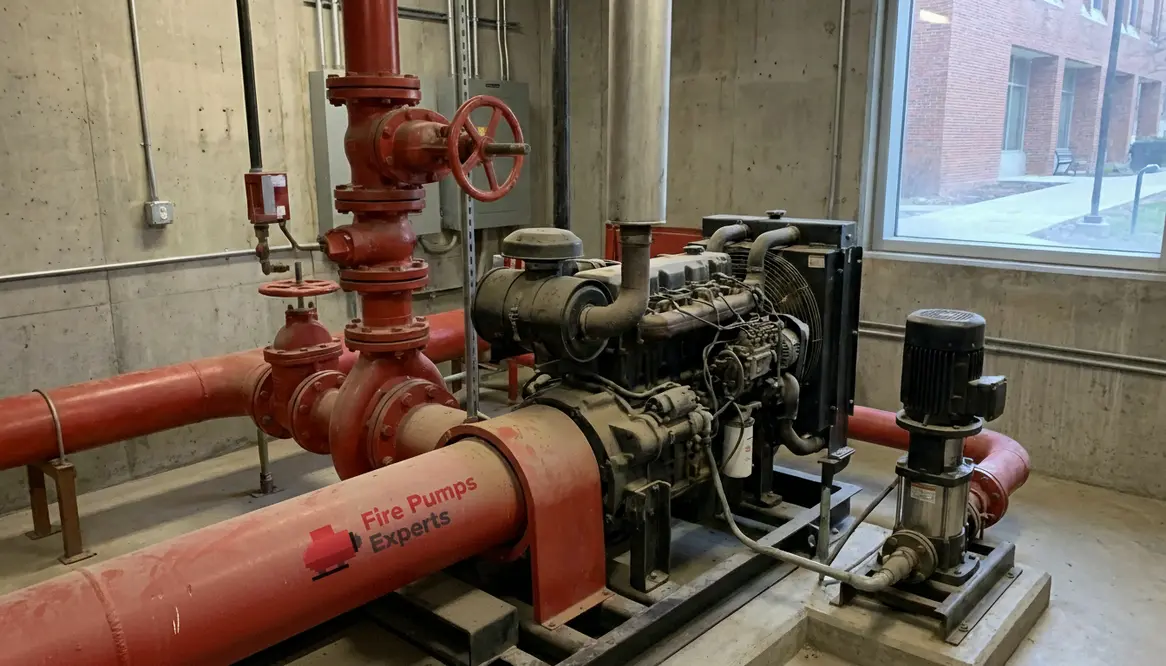
Electric fire pumps are the dependable workhorses. They are efficient, easy to maintain, and ideal when a stable power supply is available. However, since outages happen, and usually at the worst possible moment, diesel fire pumps step in as the backup. They do not rely on electricity, which makes them invaluable during emergencies.
Then we have jockey pumps. These smaller units maintain system pressure and prevent the main pumps from cycling unnecessarily. Think of them as the quiet intern who keeps everything running smoothly while the executives take the credit.
Together, these systems form the backbone of fire protection infrastructure in large academic properties.
Why large campuses need specialized fire pump systems
University campuses are not your average buildings. They are sprawling, complex environments with laboratories, libraries, dormitories, and sometimes even hospitals. Because of this, a standard fire pump setup simply will not cut it.
Instead, a tailored campus fire pump Australia system must account for long pipe runs, varying elevations, and diverse building uses. For example, a high rise research facility requires different pressure levels compared to a low rise lecture hall.
Moreover, compliance with Australian standards is non negotiable. These systems must meet strict performance requirements to ensure reliability under pressure. Literally.
And yes, while it sounds technical, the goal is simple. Deliver water quickly and consistently wherever it is needed.
Key design pressures on university systems
- Long distribution pipework between scattered campus buildings
- Mixed building heights from single level lecture spaces to multi-story labs and towers
- Special risk areas such as chemical stores, server rooms, and archives
- High occupancy during peak hours, events, and exam periods
Breaking down the main fire pump types used on campus
Each university property balances pump types to match demand, campus layout, and resilience expectations. The mix is what turns a good campus fire pump Australia design into a dependable one under pressure.
Electric Fire Pumps
These are the primary systems in most facilities. They offer consistent performance and lower operating costs. Additionally, they integrate well with modern building management systems, which makes monitoring easier.
Diesel Fire Pumps
These are the reliable backup. When power fails, diesel pumps keep water flowing. They are robust, independent, and essential for critical infrastructure.
Jockey Pumps
These maintain pressure in the system. As a result, they reduce wear on the main pumps and extend system life.
Split Case and Vertical Turbine Pumps
Split case pumps are common for high flow needs. Meanwhile, vertical turbine pumps are used when water is sourced from tanks or underground supplies.
Each type plays a precise role, and together they create a system that responds instantly when needed.
How do fire pump systems adapt to campus infrastructure?
This is where things get interesting. No two campuses are identical, so fire pump systems must adapt.
For instance, older campuses often require retrofitting. Engineers must integrate modern pumps into legacy infrastructure without disrupting operations. That is like upgrading a classic car with a modern engine without losing its charm.
Meanwhile, newer campuses can design systems from scratch. This allows for smarter layouts, energy efficiency, and better integration with safety systems.
Zoning and pressure strategies
Additionally, zoning plays a major role. Large campuses divide fire protection systems into zones to ensure consistent pressure across all buildings. Without this, water delivery would be uneven, and that is a risk no one wants to take.
A well considered campus fire pump Australia layout often blends central plant rooms with satellite pump sets for distant or high demand zones, reducing response time and keeping pressures within safe ranges.
The importance of maintenance and compliance in Australia
Even the best system is only as good as its upkeep. Therefore, regular maintenance is essential for every campus fire pump Australia installation.
Routine testing ensures pumps start instantly and perform under load. Furthermore, inspections help identify wear before it becomes failure. This proactive approach saves both time and cost in the long run.
Compliance is another key factor. Australian regulations require strict adherence to testing schedules and performance benchmarks. Skipping these is not just risky, it is unacceptable.
And let us be honest. A fire pump that fails during an emergency is about as useful as a screen door on a submarine. Not ideal.
Typical maintenance activities
- Weekly pump runs under no load to confirm automatic start and stop
- Periodic full flow tests to verify pressure and performance
- Inspection of fuel systems for diesel pumps and charging systems for batteries
- Verification of valves, alarms, and control panels
- Detailed annual service reports kept for compliance audits
Choosing the right fire pump system for large scale properties
Selecting the right system is not about picking the most powerful option. Instead, it is about choosing the most suitable configuration for the property.
Factors include building size, water supply, hazard level, and future expansion plans. Additionally, redundancy is critical. A single point of failure is never acceptable in fire protection.
What decision makers should consider
- Present and future campus footprint, including planned buildings
- Available water sources, storage tanks, and reliability of town main supply
- Critical facilities that cannot tolerate downtime, such as data centres or medical spaces
- Accessibility of pump rooms for maintenance and emergency response
- Whole-of-life costs rather than just the upfront installation price
Working with specialists who focus on commercial and industrial properties ensures the system meets both operational and regulatory demands. This is especially important for universities, where safety and continuity go hand in hand. Many campuses also benchmark designs and performance data using resources from trusted industry sources such as https://www.firepumps.org.
When a campus fire pump Australia strategy is viewed as long term infrastructure rather than a box-ticking exercise, it delivers quieter days, safer nights, and fewer surprises when alarms sound.
FAQ
Conclusion
If you manage or design large campus facilities, now is the time to take fire protection seriously. The right system protects lives, assets, and operations without compromise. Work with experienced professionals who understand complex commercial environments and can deliver reliable solutions tailored to your needs. Because when it comes to safety, there is no room for guesswork, only preparation.