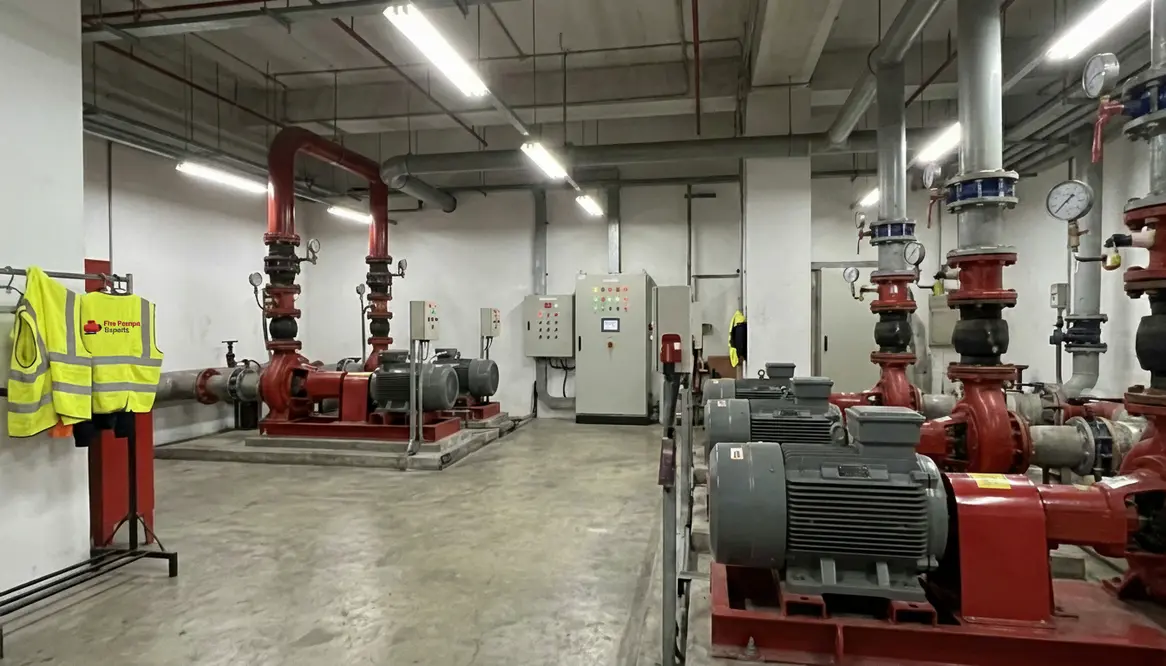
Fire Pump Retail Center Australia Design Guide
I have spent years around large commercial builds, and if there is one system that quietly carries the weight of safety, it is the fire pump system. In the world of fire pump retail center Australia design, things get serious fast. We are not talking about a corner shop with a hose reel and a hopeful glance at compliance. We are dealing with vast retail complexes, layered tenancy, underground car parks, and foot traffic that could rival a Marvel movie premiere. So yes, the stakes are high, but the approach does not have to be complicated when you know what matters.
How do I approach fire pump design for large retail developments in Australia?
I always begin with the same mindset. Understand the building before touching a pump curve. Large retail developments come with unique hydraulic demands, so I assess size, height, zoning, and expected occupancy. Then, I align everything with Australian Standards, particularly AS 2419 and AS 2941.
However, compliance alone does not make a system effective. I focus on performance under stress. During peak hours, when hundreds or thousands of people move through the space, the system must respond instantly and reliably. Therefore, I design with redundancy, pressure stability, and ease of maintenance in mind.
And yes, I always assume something will go wrong one day. Because eventually, something will. Designing for that moment is where experience earns its keep.
Core components that define fire pump retail center Australia systems
Every strong system starts with the right components working in harmony. In large retail environments, I prioritize durability and scalability because these systems are built for decades, not quick wins.
Primary essentials
- Electric or diesel fire pumps based on site reliability
- Jockey pumps for pressure maintenance
- Dedicated fire water storage tanks
- Control panels with clear fault indication
Supporting elements
- Ring main systems for even distribution
- Zone isolation valves for flexibility
- Test lines for routine validation
- Backup power integration where required
Additionally, I never treat these parts as isolated pieces. They form a system that must behave predictably under pressure. Think of it like a band. If the drummer goes rogue, the whole performance falls apart. Same idea, just with higher consequences.
Designing for scale and complexity in retail spaces
Large retail developments in Australia rarely follow a simple layout. Instead, they expand vertically and horizontally, often with mixed use spaces. Because of this, I design zoning strategies early.
For instance, I separate high demand areas like anchor tenants and food courts from quieter retail zones. This allows the system to maintain pressure without overcompensating. Moreover, I consider future expansion. Retail evolves quickly, and systems that cannot adapt become expensive problems.
Meanwhile, hydraulic calculations must reflect real world conditions. I factor in friction loss, elevation changes, and simultaneous demand scenarios. In other words, I design for the worst day, not the average one.
Why reliability matters more than raw power
It is tempting to oversize a pump and call it a day. However, more power does not equal better performance. In fact, oversized systems can cause pressure instability and long term wear.
Instead, I focus on balance. The pump must deliver required flow and pressure without unnecessary strain. Therefore, I select equipment that operates efficiently within its optimal range.
Also, I always include redundancy where needed. Diesel backup pumps, for example, provide assurance during power failure. Because when the lights go out, the fire system should not join them.
Compliance, testing, and long term performance
Meeting Australian codes is only the starting line. I build systems that remain compliant over time, not just at handover. That means planning for routine testing, easy access, and clear documentation.
Furthermore, I design pump rooms with space in mind. Technicians need room to move, inspect, and repair without performing gymnastics worthy of an action film. Accessibility directly impacts maintenance quality, and maintenance quality impacts reliability.
Then comes commissioning. I treat it seriously. Every flow test, pressure reading, and alarm function must perform exactly as expected. Because once the doors open to the public, there is no room for guesswork.
Common pitfalls I avoid in large retail fire systems
Over the years, I have seen patterns. Some mistakes show up more often than they should, and they tend to cost time and money.
- Underestimating simultaneous demand across multiple tenancies
- Poor coordination between hydraulic and architectural layouts
- Ignoring future expansion requirements
- Installing systems that are difficult to maintain
However, each of these issues is avoidable with proper planning. I stay involved early in the design phase, working alongside architects and engineers. Collaboration keeps surprises to a minimum, and in construction, fewer surprises mean fewer headaches.
FAQ about fire pump systems in large retail developments
Final thoughts on getting it right
When I design for large retail environments, I focus on clarity, performance, and longevity. A well built system protects people, supports compliance, and quietly does its job without drama. If you are planning a project and want confidence from day one, partner with specialists who understand commercial scale fire protection inside and out. The right design today saves time, cost, and risk tomorrow. And frankly, peace of mind is always a good investment.