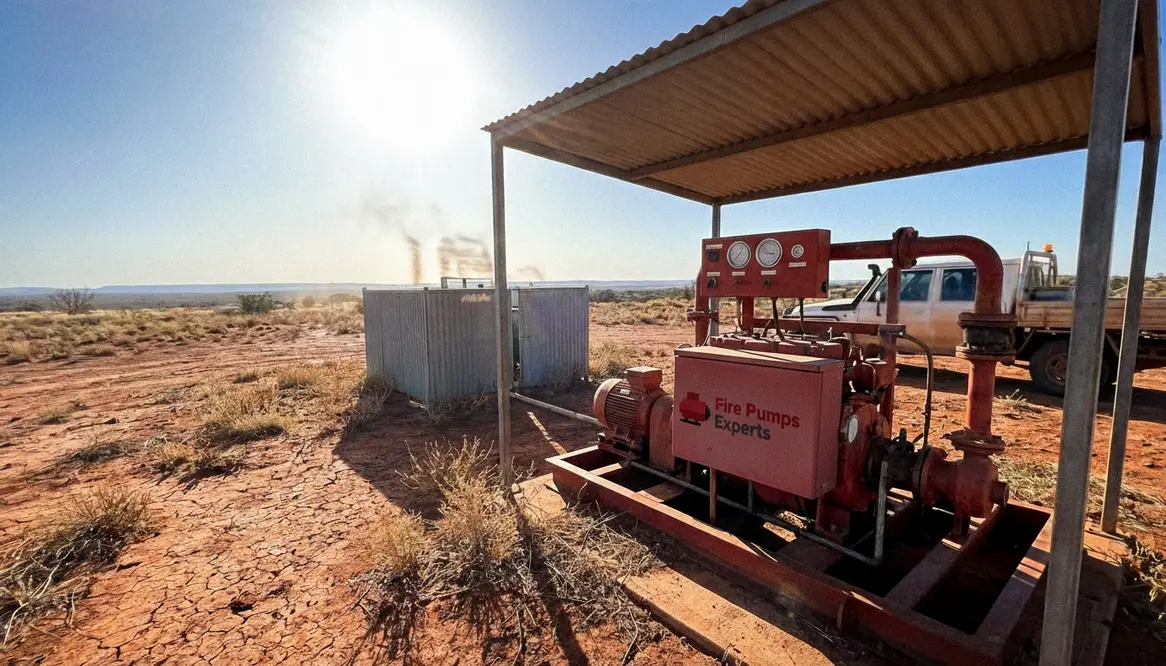
Fire Pump Extreme Heat Australia Performance Guide
I have spent years around critical infrastructure, and one thing becomes clear fast. Heat changes everything. In remote regions, where the sun feels less like a star and more like a supervisor checking your work, performance margins shrink. When we talk about fire pump extreme heat Australia, we are not discussing theory. We are talking about survival of systems that protect high value commercial and industrial facilities when conditions are at their harshest.
So, I will walk you through what really happens inside these systems, how they respond, and how we keep them reliable. And yes, I will keep it grounded, with a little humor to make the heat easier to bear.
Why Extreme Heat Pushes Fire Pump Systems to Their Limits
First, let me state the obvious. Heat is not just uncomfortable. It is disruptive. As temperatures climb, water supply conditions shift, mechanical parts expand, and electrical systems face added stress. Consequently, performance consistency becomes harder to maintain.
In outback conditions, ambient temperatures can push well beyond standard design assumptions. Therefore, a fire pump operating in extreme Australian heat must overcome reduced motor efficiency and increased friction losses. Meanwhile, water sources may also warm up, which lowers density and slightly alters hydraulic behavior.
And here is the part people often overlook. Control systems do not enjoy heat either. Electronics can drift, sensors can misread, and suddenly your “reliable” system starts acting like it skipped its morning coffee.
In facilities facing a genuine fire pump extreme heat Australia scenario, ignoring the impact on electronics is asking for trouble. Control logic, alarms, and automated responses are only as good as the environment they are allowed to work in.
How Do Fire Pumps Behave Under Extreme Heat in Australia?
In simple terms, they work harder for the same result. However, the details matter.
Thermal Stress On Motors And Moving Parts
As temperatures rise, pump motors draw more current to maintain output. At the same time, lubrication becomes less effective, which increases wear rates. Therefore, efficiency drops while stress increases. Not exactly a winning combination.
Additionally, seals and gaskets may degrade faster. This can lead to minor leaks that grow into serious performance issues if ignored. In a commercial facility, that is not just inconvenient. It is unacceptable.
Why “It Is Still Running” Is Not Good Enough
So yes, a fire pump extreme heat Australia scenario demands careful design and constant attention. Otherwise, the system may still run, but not at the level required during a real emergency. And that is like bringing a garden hose to a wildfire. It looks like effort, but it will not save the day.
Designing for Outback Conditions Without Cutting Corners
Now, this is where things get interesting. Designing for heat is not about adding one upgrade and calling it done. It is about building resilience into every layer.
Mechanical Considerations
We select materials that tolerate expansion without losing integrity. We also ensure proper ventilation around pump assemblies. In addition, we account for higher baseline temperatures when sizing components.
Electrical And Control Stability
We protect control panels with cooling strategies and insulation. Moreover, we specify components rated for higher temperature thresholds. That way, the system keeps its composure when the environment does not.
Furthermore, water storage and supply design must anticipate heat exposure. Tanks may require shading or insulation. Otherwise, you are feeding your system preheated water, which does it no favors.
In short, designing for a fire pump extreme heat Australia environment means respecting the climate instead of pretending it will cooperate. Outback temperatures do not negotiate with undersized motors, cramped pump rooms, or bargain-bin control gear.
Maintenance Strategies That Actually Work in High Heat
Rethinking The Schedule
Let me be blunt. Maintenance schedules written for mild climates do not belong in the outback. They need adjustment.
First, inspection frequency should increase. Heat accelerates wear, so waiting longer between checks is like ignoring a warning light on your dashboard. You can do it, but it rarely ends well.
Next, lubrication must be monitored closely. High temperatures break it down faster, which can lead to premature component failure. Therefore, using heat tolerant lubricants is not optional. It is essential.
Calibration, Testing, And Realistic Conditions
Also, calibration checks should happen more often. Sensors and gauges can drift under thermal stress. Consequently, inaccurate readings may hide real issues until they become critical.
And finally, testing under realistic conditions matters. Running a system early in the morning when it is cool does not tell you how it will behave in peak afternoon heat. That is like testing a marathon runner on a treadmill set to “casual stroll.”
Common Pitfalls I See in Commercial Installations
Design Assumptions That Do Not Match Reality
I have seen patterns, and they repeat more often than I would like.
One common mistake is underestimating ambient temperature impact during design. As a result, systems operate too close to their limits from day one.
Another issue is poor ventilation in pump rooms. Heat builds up, and suddenly your equipment is working inside what feels like an oven. Not ideal, unless your pump enjoys baking itself.
Additionally, some facilities skip environment specific upgrades to save costs. However, those savings tend to disappear quickly when failures occur. In industrial settings, downtime is expensive. Fire protection failure is even worse.
So, if there is one lesson here, it is this. Respect the environment, or it will remind you who is in charge. When you think about long term reliability for any fire pump extreme heat Australia installation, cutting corners is just a delayed bill with interest.
FAQ: Fire Pump Performance in Extreme Heat
Final Thoughts and Next Steps
If you manage a commercial or industrial facility in harsh climates, do not leave fire protection to chance. I encourage you to assess your system against real environmental conditions, not ideal ones. Work with specialists who understand heat driven challenges and design accordingly. A well prepared system stands firm when it matters most. Reach out, review your setup, and make sure your fire pump is ready to perform when the temperature refuses to cooperate.
When you are ready to benchmark your installation, resources such as https://firepumps.org can help you frame the right questions, validate your approach, and ensure your fire pump extreme heat Australia strategy is built on more than hope and good intentions.