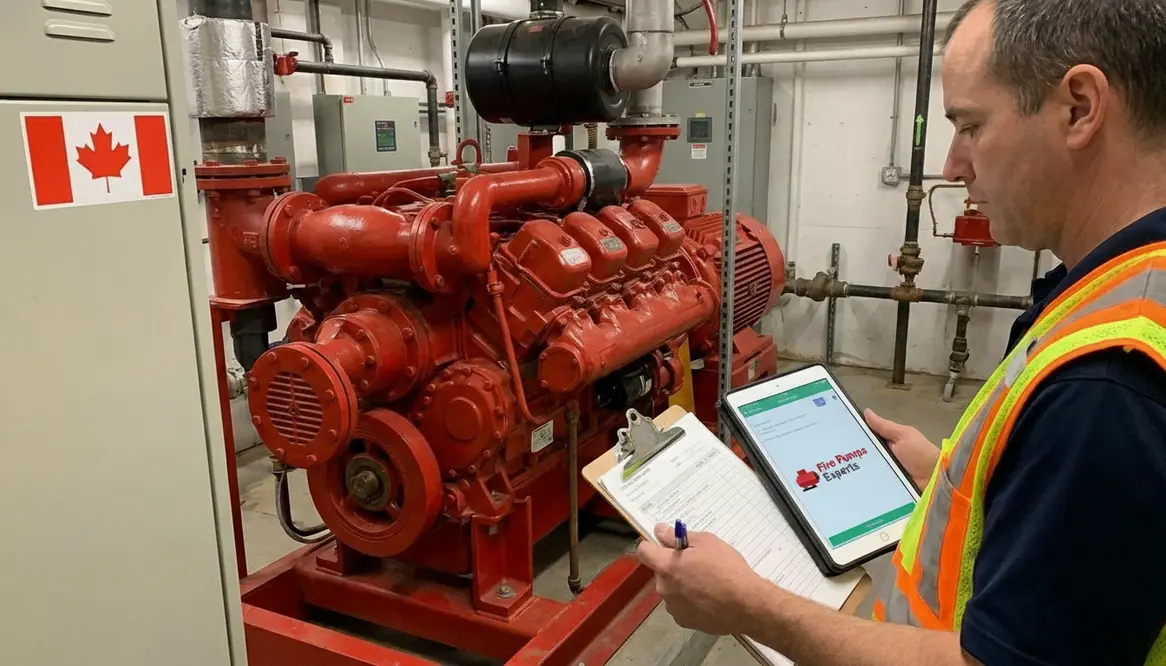
Canada Fire Pump Compliance Checklist Guide
Canada Fire Pump Compliance Checklist for Facilities
I have seen how quickly a small inspection detail can turn into a big building problem. That is why I treat Canada compliance for fire pumps as more than a checkbox exercise. For commercial and industrial facilities, and for major property buildings, the fire pump is the quiet giant in the room. It sits there, looking humble, until the day it has to perform like the lead actor in a disaster movie. So, in this guide, I will walk through a practical checklist that helps me stay ready, stay safe, and stay on the right side of the rules.
What I Check First In A Fire Pump Compliance Review
I always start with the basics because the basics save the day. First, I confirm that the fire pump matches the building’s design needs and the installed sprinkler and standpipe systems. Then, I verify that the pump room stays clear, dry, heated, and accessible. If someone has turned it into a storage closet, then we already have a problem. I also check that the pump has proper labels, working gauges, and visible controls. In other words, I want the fire pump to be easy to inspect and even easier to trust.
Next, I review whether the pump has the right power source and whether the transfer equipment works as intended. For many facilities, a power loss is not a rare event. It is just Tuesday with extra drama. Therefore, I make sure the system can shift without delay and without confusion. I also look for signs of leaks, corrosion, vibration, or strange noises, because those small clues often tell me more than a polished report ever will.
Canada Compliance Checklist For Daily And Weekly Fire Pump Checks
I keep the routine checks simple, but I never treat them casually. Daily and weekly checks help me catch trouble before it grows legs. Here is the core list I follow:
- Confirm the pump room is secure, dry, and free of clutter
- Check suction and discharge pressure readings
- Inspect the pump controller for alarms or faults
- Verify the power source and fuel supply, if the system uses one
- Look for leaks, loose parts, or visible damage
- Make sure the system sits in normal operating mode
Also, I log each check right away. A missing record can create as much trouble as a failed part. If a fire marshal or insurer asks for proof, I want clean notes, not a memory test worthy of a courtroom drama. Furthermore, good records help me spot patterns. If a pressure drop shows up three weeks in a row, I know it is not just a mood swing.
How I Test The Pump Without Making A Mess
Testing matters because a fire pump can look perfect and still disappoint under pressure. I schedule routine flow tests and churn tests based on the site’s risk level and the applicable code and maintenance plan. During testing, I check whether the pump reaches the required pressure and flow. I also watch the controller response, the engine or motor behavior, and the stability of the suction supply.
Here is a simple two column view of what I focus on during testing and what I want to see:
| Test Point | What I Look For |
| Start up | Fast, smooth response with no delay |
| Pressure | Stable output that meets system demand |
| Power supply | No transfer failure or warning signs |
| Noise and vibration | Normal operation with no harsh changes |
| Fuel or lubrication | Proper levels and no visible contamination |
After the test, I review the results with the maintenance team and, when needed, with a qualified fire protection specialist. That way, I do not just collect data like a bored side character in a sitcom. I use the results to fix real issues before they become expensive ones.
Canada Compliance Records I Keep For Audits And Inspections
Good paperwork may not thrill anyone, but it keeps facilities out of the danger zone. I keep a file that includes installation details, inspection logs, test reports, repair notes, and service dates. I also keep the name of the person who handled each task. That detail matters because accountability matters. If a system fails, I need a clear trail that shows what happened, when it happened, and who handled it.
In addition, I make sure records stay easy to find. If the documents live in six different places, then the audit process turns into a scavenger hunt. And nobody wants that. For larger commercial and industrial properties, strong recordkeeping also helps with planning. It shows when parts age out, when servicing is due, and when a deeper review makes sense.
When I Call In A Fire Pump Specialist
I do not wait for a breakdown before I ask for help. If I see repeated pressure drops, controller faults, pump cavitation, or worn parts, I bring in a specialist. I also call for expert support when I prepare for a code review, a major renovation, or a property purchase. At that stage, the system needs more than a quick look. It needs a proper assessment.
If I want a deeper review of best practices and service support, I look for trusted resources like this commercial fire pump compliance guide from a specialist who works with major facilities at https://firepumps.org. That kind of reference helps me compare site conditions with real-world maintenance needs, and it keeps my compliance plan grounded in practical action rather than guesswork. After all, fire safety should not rely on wishful thinking and a prayer.
Key Canada Compliance Habits For Fire Pump Reliability
Daily Eyes-On Checks
Short, consistent walk-throughs keep surprises from piling up. I confirm status lights, controller conditions, room access, and any hint of leaks or damage. Ten quiet minutes now can save ten loud hours later.
Weekly Performance Confidence
Weekly checks give me a rhythm: pressures, controller status, fuel levels where applicable, and clear paths to the equipment. This is where Canada compliance starts to feel routine instead of stressful.
Planned Testing And Follow-Through
Documented churn and flow tests, paired with clear action on any issues, keep the system honest. The goal is simple: no surprises when the pump moves from quiet standby to full performance.
FAQ
Conclusion
I treat fire pump upkeep as a core part of protecting a facility, not as extra paperwork dressed up in safety language. If you manage a commercial or industrial property, or a major building, now is the time to tighten your inspection routine, clean up your records, and review your system with care. Canada compliance is easier to manage when the plan is simple, regular, and backed by the right expertise. If your fire pump needs a closer look, I recommend taking action today.