CEA Fire Pump Guidelines for Commercial Buildings
CEA Fire Pump Guidelines Explained
When I talk about fire protection in a commercial or industrial building, I do not like guesswork. A CEA fire pump can be the quiet hero in the back room, doing the hard work while everyone else sleeps easy. And yes, that sounds dramatic, but so does a pump system that has one job and absolutely refuses to fail when things get hot. In this guide, I will break down the key guidelines in plain language, so facility managers, property owners, and building teams can understand what matters, what to check, and where problems usually hide.
I will keep this simple, useful, and practical. After all, fire pump rules should not read like a mystery novel with terrible lighting.
What I Check Before Choosing a Pump
I always start with the building, not the pump. That means I look at the water supply, the fire sprinkler demand, the size of the property, and the risk level. A CEA fire pump must match the needs of a commercial or industrial site, not just look good on paper. If the system cannot support the pressure and flow the building requires, then the whole setup becomes an expensive paperweight.
Here is what I review first:
- Water source and available pressure
- Peak demand from sprinklers and standpipes
- Building height and layout
- Fire department connection needs
- Room location and access for service
Then I check whether the pump selection fits the site’s actual fire protection load. That matters because one size does not fit all. A warehouse, a manufacturing plant, and a high rise office tower each bring different demands. Spider Man may handle scaling tall buildings, but your fire pump has to do it in the real world.
CEA Fire Pump Installation Rules On Site
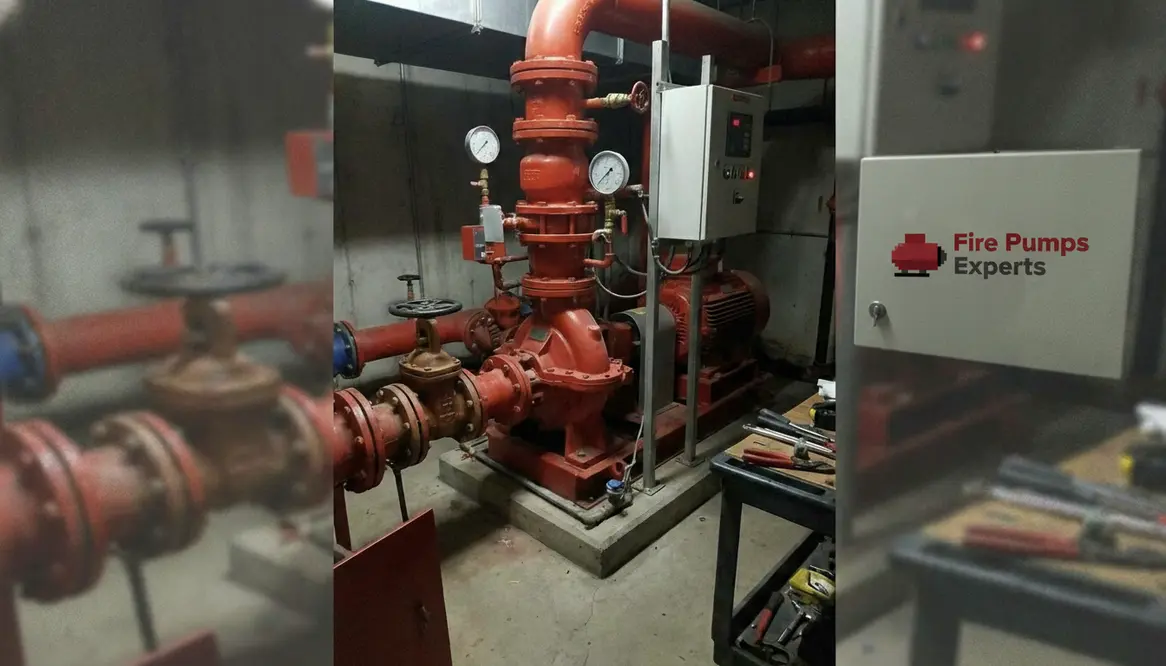
Installation is where good plans either shine or fall apart. I make sure the pump sits in a dedicated room with enough space for service, ventilation, and safe access. The room should stay dry, clean, and easy to reach. If technicians need to crawl around a maze of pipes like they are in an action movie, the setup needs work.
I also pay close attention to alignment, suction piping, discharge piping, and controller placement. A small mistake here can cause noise, vibration, or weak performance later. In addition, I look at electrical supply and backup power if the system needs it. A fire pump must start fast and run under stress, so I treat every connection like it matters, because it does.
How I Verify Performance and Testing
This part separates a working system from a hopeful one. I do not trust appearance alone. I want proof. That means I check the pump against its rated performance and confirm that the test results line up with design expectations. Pressure, flow, starting response, and stability all matter.
For commercial and industrial facilities, routine testing helps catch trouble before it grows teeth. I usually look for:
- Weekly or scheduled pump start checks
- Flow testing at proper intervals
- Controller alarms and signal checks
- Jockey pump operation
- Visible leaks, heat, or odd vibration
Testing also helps me spot slow decline. A pump can still run while quietly losing strength, much like a classic rock band that still tours but no longer sounds quite like the album. That is why I never skip documentation. Records show trends, and trends tell the truth.
Maintenance And Long-Term Reliability
Keeping The Pump Ready
Maintenance is where many sites either stay ready or drift into trouble. I focus on the parts that wear, the controls that fail, and the conditions that change over time. Bearings, seals, power sources, valves, and controllers all need attention. Even a solid CEA fire pump can fall behind if no one watches it.
Creating A Clean, Checkable Pump Room
I also recommend keeping the pump room clear and the system easy to inspect. Dust, storage, water leaks, and poor lighting all make small issues harder to catch. And in large facilities, small issues love to team up like a bad sequel.
Using Safety Standards With CEA Fire Pump Systems
Safety standards give the system its backbone. I use them to guide design, installation, testing, and upkeep. They help me keep the pump aligned with fire protection goals for commercial and industrial buildings, especially where people, inventory, and operations face higher risk.
| Area | What I check |
| Design | Correct flow, pressure, and source match |
| Installation | Room access, piping, wiring, and clear space |
| Testing | Startup, flow, alarms, and performance |
| Maintenance | Wear, cleaning, records, and repairs |
If you want a deeper technical resource, I suggest reviewing commercial fire pump guidance for major properties as a helpful reference for building teams focused on industrial and commercial sites.
Practical Focus Areas For Commercial Buildings
Matching Pump Capacity To Real Risk
In commercial buildings, a CEA fire pump is part of a bigger picture that includes sprinklers, standpipes, tanks, and incoming mains. I pay attention to renovations, tenant changes, and added storage that quietly increase fire load over time. What was a perfect fit ten years ago may now be working at its limits, and that is not where you want a life safety system to live.
Training The People Around The System
I also make sure building teams know where the pump room is, what normal operation looks like, and when to call for help. A well-designed CEA fire pump system is only as good as the people who notice alarms, log tests, and refuse to ignore strange noises at 2 a.m. Teaching staff to respect the equipment, without being scared of it, keeps reliability high and surprises low.
FAQs About CEA Fire Pump Systems
Conclusion
If I want a fire pump system to protect a commercial or industrial property, I start with the right design, install it with care, and keep it on a strict maintenance path. A CEA fire pump works best when every part of the system supports it. If you manage a major property, now is the time to review your setup, confirm compliance, and fix weak points before they turn into costly trouble. I recommend taking action today and making fire readiness a real priority.