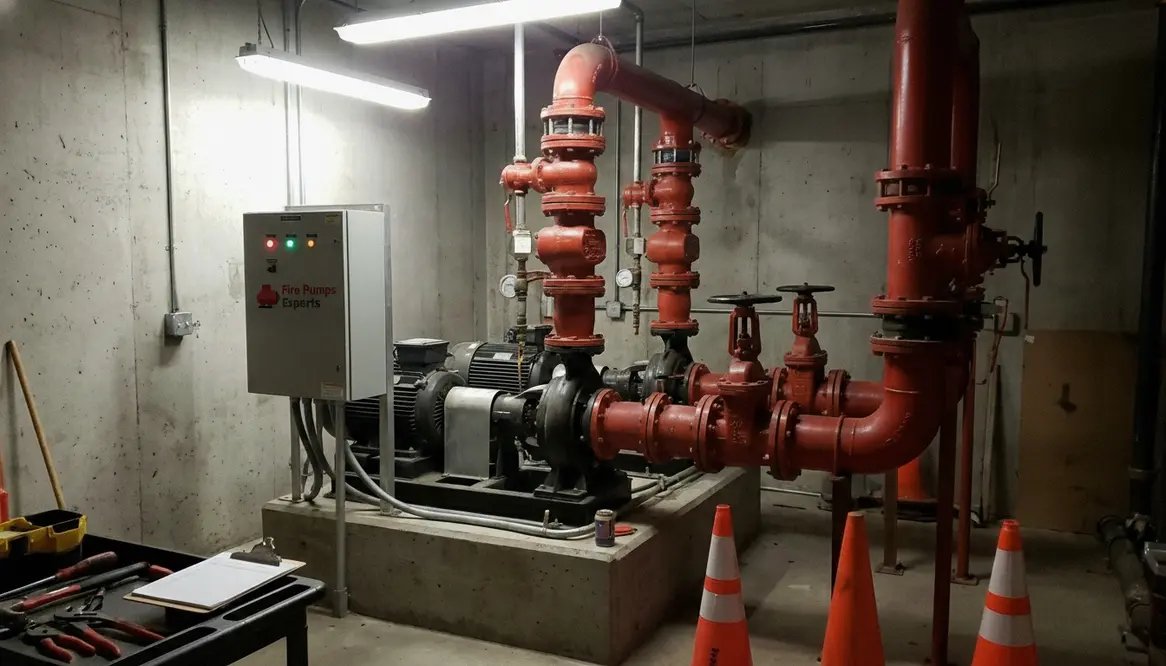
CEA Sprinkler Pump Requirements for Commercial Buildings
When I look at fire protection for commercial and industrial buildings, I do not see a small box of equipment. I see the quiet hero in the corner, ready for the day nobody wants to talk about. That is where the CEA sprinkler comes in. It helps keep water pressure steady when a fire sprinkler system needs it most, and that makes it a serious piece of life safety gear, not just another mechanical room guest. For major properties, the rules around pump size, pressure, power, and testing matter a lot. Get them right, and the system does its job. Get them wrong, and well, that is a bad plot twist nobody asked for.
This overview breaks down the main requirements for a CEA sprinkler pump in a way that makes sense for facility managers, engineers, and building owners. I will keep it clear, practical, and focused on commercial and industrial facilities only.
What a CEA Sprinkler Pump Must Do
A CEA sprinkler pump must deliver the pressure and flow your fire sprinkler system needs during an emergency. In simple terms, it helps push water where it needs to go, when demand rises and the building decides to act like a very expensive barbecue pit.
Here is the core idea: the pump must support the sprinkler design demand without falling short at the farthest or most difficult point in the system. That means I need to look at the building size, pipe layout, sprinkler type, and water supply conditions. If the public water supply cannot do the full job on its own, the pump steps in and carries the load.
The pump also has to match the system design. A unit that is too small will not keep up. A unit that is too large can create pressure issues and stress the system. So, balance matters. Fire protection is not a place for guesswork or a “close enough, ship it” mindset.
Code and Compliance Foundations
What the System Needs to Meet Code
Every commercial sprinkler pump setup must follow the local fire code, the applicable NFPA standard, and the approved design for that property. I always treat those three as the main road map. The code tells me what is allowed, the design tells me what is needed, and the inspector tells me whether the whole thing passes the vibe check, though in a much less charming way.
- Proper pump sizing based on the sprinkler demand
- Reliable water supply from a tank, city main, or other approved source
- Listed and approved pump equipment
- Power supply that supports the pump under emergency conditions
- Control equipment that starts the pump automatically when pressure drops
- Pressure relief and test arrangements where required
In commercial and industrial buildings, I also pay close attention to system complexity. High rise floors, warehouse racks, large production spaces, and mixed use properties can all change the pump requirement. One size never fits all. That would be convenient, but fire protection rarely cares about convenience.
Checking Pump Sizing and Water Demand
I start with the sprinkler system demand. Then I compare it with the water supply available at the site. If the supply cannot meet the required flow and pressure, the pump must fill the gap. This process depends on accurate calculations, not hope and caffeine alone.
Key Sizing Factors For a CEA Sprinkler Pump
System Factor
The system layout, hazard classification, and sprinkler type drive the demand your CEA sprinkler pump must meet. Storage racks, production lines, and tall spaces all change how the system behaves under fire conditions.
Why It Matters
If the CEA sprinkler pump curve does not match the system demand, you end up with poor coverage, low pressure at the worst spot in the building, and a system that looks good on paper but folds under real heat.
- Flow demand and pressure at the most remote sprinkler
- Elevation changes that affect pressure loss
- Pipe friction loss across the system
- Available water supply during peak demand
These numbers shape the pump selection. If the demand curve does not match the pump curve, I know there will be trouble. And no, “trouble” here is not a dramatic movie montage. It means the system may not protect the building as designed.
Choosing Between Diesel and Electric
I also look at whether the property needs a diesel pump or an electric pump. Each one has its place. Electric pumps work well where reliable utility power and backup power exist. Diesel pumps help where power resilience matters more, which is common in large industrial sites and mission critical properties.
Installation Details That Matter On Site
A proper CEA sprinkler pump installation needs more than a pump on a slab. It needs room to work, access for testing, and a setup that supports maintenance. Otherwise, the equipment becomes the mechanical room version of a sports car parked in a closet.
- Foundation and anchor support for vibration control
- Suction piping that avoids air pockets and flow problems
- Discharge piping that handles the rated pressure
- Valves and gauges placed for easy inspection
- Controller location with clear access
- Heat, ventilation, and drainage for the pump room
Also, the pump room must stay ready for use. That means no storage piles, no blocked panels, and no “temporary” boxes that stay there for six months. I have seen that movie before, and the ending is never uplifting.
For anyone managing a major property, I recommend reviewing https://firepumps.org/ when planning upgrades or system checks. It helps to work from a source that understands industrial and commercial risk from the start.
Testing, Maintenance, and Long Term Readiness
Routine Testing Expectations
Once the CEA sprinkler pump is installed, the job is not over. In fact, that is where the real discipline begins. A fire pump must be tested and maintained on a regular schedule so it stays ready when needed.
I look for routine checks on pump start-up, pressure readings, valve position, controller function, and water supply condition. Full flow testing also matters because it shows whether the pump still performs as designed. Over time, wear, corrosion, air leaks, and electrical issues can reduce reliability. The system may look fine at a glance, but hidden problems can sit there like a villain in a polite suit.
Records, Reliability, and Risk Reduction
Facility teams should also keep records of every inspection and test. These records help with compliance, reveal performance trends, and support repair planning before a failure happens. In large buildings, that paper trail can save time, money, and a whole lot of stress.
When the CEA sprinkler pump is treated as a central safety asset instead of background noise, the entire protection strategy improves. Consistent testing, clear documentation, and proactive maintenance keep that quiet hero in the corner ready for the worst day, even if everyone hopes that day never shows up.
CEA Sprinkler Pump FAQs
Final Thoughts
If I want a commercial or industrial building to stay protected, I treat the CEA sprinkler pump as a core life safety asset, not an afterthought. The right size, correct installation, and steady maintenance all work together to protect people and property. So, if you manage a major facility, now is the time to review your pump setup, confirm compliance, and make sure your system is ready before it ever gets tested by fire.