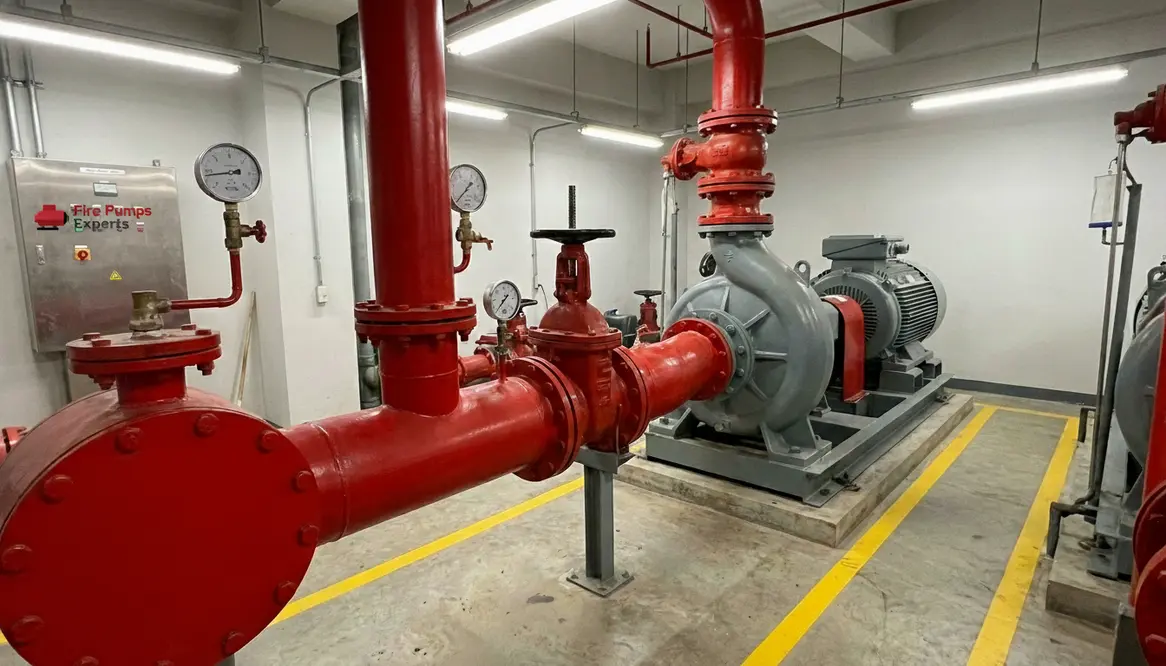
CEA Fire Pump Water Supply Requirements Guide
A practical field-tested overview of what a fire pump really needs from the water behind it, and how to make sure a system is ready when it counts.
CEA Fire Pump Water Supply Requirements
When I talk about fire protection for commercial and industrial properties, I start with one truth: a fire pump is only as strong as the water behind it. That is why CEA water supply matters so much. If the source cannot support the pump, the whole system starts to wobble like a tired extra in a disaster movie. For major properties, this is not just a nice idea. It is the backbone of safe sprinkler performance, code compliance, and real fire readiness.
In this guide, I will walk through the key water supply requirements for CEA fire pumps, explain how I think about flow and pressure, and show what facility teams should check before they trust the system. I will keep it practical, direct, and useful. No fluff. No dramatic smoke machine effect. Just the facts that matter.
What a fire pump needs from the water source
A fire pump does not create water. It only boosts what already exists. So, the supply must deliver enough water, at the right pressure, for the right duration. In simple terms, I look at three things: volume, pressure, and reliability. If any one of those falls short, the system may not meet demand during a fire event.
For commercial and industrial facilities, the water source can come from a public main, a tank, a reservoir, or another approved supply. However, the source must support the pump under the expected worst case fire flow. That means I need to know how much water the site can provide before the pump begins its work. If I guess, I am basically doing fire safety with a blindfold on. Not ideal.
If you remember nothing else, remember this: the fire pump is only as reliable as the CEA water supply that feeds it.
How I check CEA water supply performance
I always begin with a water supply test or a reliable engineering review. This tells me the static pressure, residual pressure, and flow rate. Those three numbers shape the design. They also help me see whether the source can handle sprinkler demand and fire pump needs at the same time.
For CEA water supply planning, I also look at seasonal changes, utility pressure swings, and any nearby demands that may affect performance. A source may look fine on a quiet morning, then dip hard during peak use. That is why one test is not enough in many cases. I want a realistic picture, not a shiny brochure version of the system.
Core test data
- Static pressure at the test location
- Residual pressure at target flow
- Achievable flow rate across the curve
Real-world conditions
- Seasonal pressure drops and drought impacts
- City grid fluctuations during peak usage
- Nearby industrial users drawing from the same line
Water supply checks for commercial facilities
Here is the short list I use when reviewing a site:
Key review points at a glance
Left column
- Source type
- Available flow
- Residual pressure
- Storage capacity
- Reliability during peak demand
Right column
- Pump suction conditions
- Pipe size and layout
- Elevation changes
- Valves and obstructions
- Backup water options
These checks help me spot weak points before they become expensive problems. For large buildings, even a small pressure loss can affect performance. And yes, pipes can be sneaky. They look calm on the outside, then surprise everyone like a plot twist in a streaming series.
How I match the pump to the supply
A pump should match the actual water source, not the wishful thinking version. I review the pump curve, the expected system demand, and the available suction pressure. If the pump is too large for the source, it can draw too hard and cause trouble. If it is too small, it will not protect the facility well enough.
I also pay attention to suction lift, friction loss, and pipe length. These details shape how the pump behaves when demand rises. The goal is smooth delivery, stable pressure, and enough water for the full fire protection system. In other words, I want the equipment to act like a pro, not a diva.
When the CEA water supply, piping, and pump curve all agree with each other, the rest of the fire protection design gets much easier.
Why storage and backup matter
Many sites do not rely on a single water source alone. That is often smart. A dedicated tank or other backup supply can help maintain fire protection when the public main cannot keep up. This matters most for industrial sites, tall buildings, warehouses, and high value properties where water demand may spike fast.
Backup planning also helps when maintenance, utility work, or supply interruptions happen. A fire system should not become helpless because someone in the city decided to fix a pipe. Life likes surprises. Fire protection should not.
What I look for during design and review
When I review a design, I want the whole system to work as one unit. That means I check the fire pump, the supply source, the suction piping, and the demand from the rest of the system. I also look at code rules, site layout, and future building needs. A facility may grow, change tenants, or expand operations. So, I like designs that can handle a bit of real world pressure.
For more technical guidance on pump system planning, I often recommend a resource like commercial fire pump system guidance for major properties. It helps facilities understand how pump performance ties into overall fire protection strategy.
Strong planning treats the CEA water supply as the foundation, not an afterthought. Everything from pump selection to sprinkler zoning is built on that base.
FAQ
Final thoughts and next step
If I want a fire pump system to protect a commercial or industrial property, I start with the water supply and treat it like the main event, because it is. Strong design begins with honest numbers, solid testing, and clear planning. If your site needs a review, I suggest taking action now, before a weak supply becomes a costly surprise. Reach out, assess the source, and build a system that stands ready when it matters most.