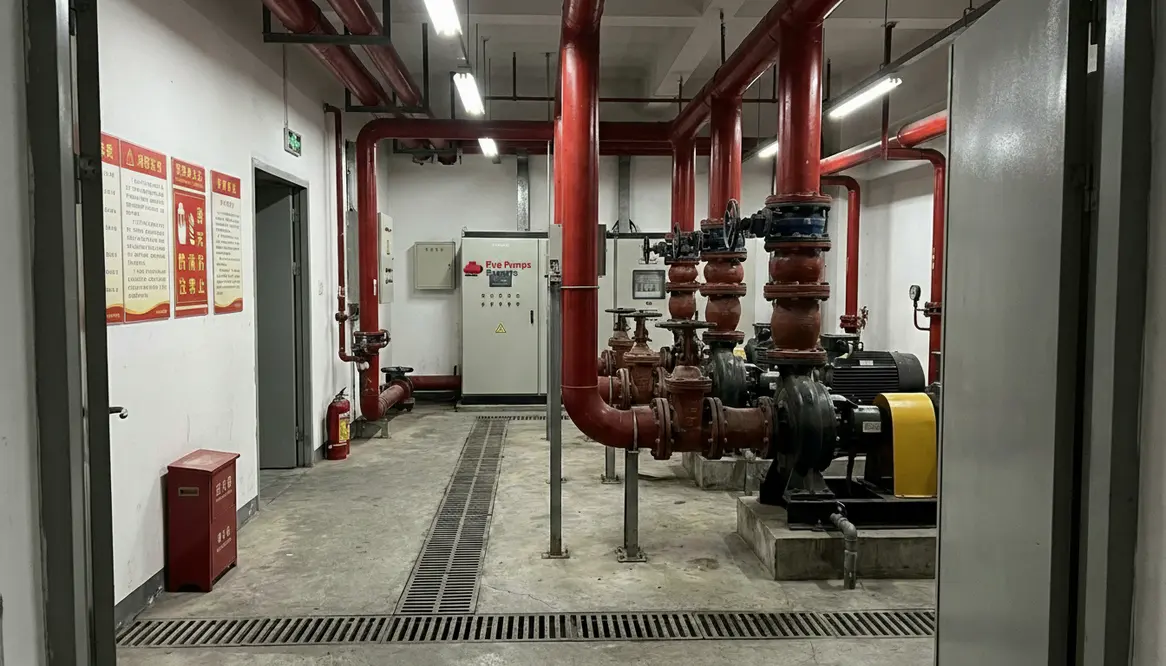
China Fire Pump Room Requirements for Buildings
When I talk about fire safety in a China room, I mean one thing: no one wants to meet a building code the hard way. A fire pump room keeps water pressure ready when a fire breaks out, and in commercial and industrial buildings, that room does serious work. I see it as the backstage hero of a property, quiet, hidden, and absolutely essential. So if you manage a factory, office tower, warehouse, hotel, or other major property, you need to know how China fire pump room requirements for buildings shape safety, design, and approval. Let’s break it down in plain language, with no smoke and mirrors, just the facts.
What I look for in a compliant fire pump room
I start with the basics. A fire pump room must give the pump a safe, stable space to do its job during an emergency. First, the room should sit in a protected area with strong fire separation from other spaces. Next, it needs direct access for maintenance and emergency response. If staff cannot reach it fast, then the room loses part of its value. Also, the room should stay dry, clean, and easy to inspect. In other words, it should not double as a storage closet for random boxes that mysteriously appear and never leave.
The room must also support the pump system itself. That means enough space around the equipment for service work, ventilation that helps control heat, and proper drainage in case of leaks or testing. I also pay attention to lighting, power supply, and clear labeling. After all, during a fire event, nobody has time to play hide and seek with valves.
How I handle layout, access, and equipment space
The layout matters more than many people think. A proper fire pump room should let workers move safely around the pumps, controllers, gauges, and valves. Therefore, I always check for clear working space in front of equipment and around service points. If the room feels cramped, the system becomes harder to inspect and repair.
Access is just as important. I want the room near a safe route, yet protected from damage, flooding, and everyday traffic. For major buildings, I also prefer a setup that keeps the pump room close enough to the water source and system risers to reduce complexity. Simpler systems tend to work better, and simpler systems also give engineers fewer reasons to age one year in a week.
Quick design snapshot for a China room style pump space
Here is a quick two column style view of what I focus on:
Design point
Location
Space
Drainage
Ventilation
Access
What I check
Protected, accessible, and secure
Room for service and safe movement
Control for leaks and test water
Heat and air control for equipment
Fast entry for staff and emergency use
What China fire codes usually require
Now let me get to the part that saves headaches. China fire pump room requirements for buildings usually follow strict fire safety rules tied to building type, size, and risk level. Commercial and industrial properties face tighter expectations because their fire loads and occupancy levels can rise quickly. So I always look at whether the building needs automatic sprinkler support, fire hydrant pressure, or both.
In many cases, the pump room must support reliable water supply at the required pressure and flow. It should connect to a stable water source, and the system should include backup power or another dependable emergency power plan. That matters because a pump without power is just an expensive metal object with dreams.
Also, the room should include alarms and monitoring so staff can spot a failure early. I never treat monitoring as optional. If a pump fails silently, the whole protection plan can fall apart when the building needs it most.
How I make the room safe, testable, and easy to maintain
A fire pump room does not stay compliant by looking good on paper. It stays compliant through maintenance. So I always recommend a room that supports regular testing, inspection, and repair. Staff should be able to check pressure, start the pump, confirm alarms, and inspect components without trouble.
For safety, the room should reduce fire spread risk. That means fire rated walls, controlled openings, and equipment placed to avoid damage from heat or water. I also like clear emergency signs and simple operating instructions posted where staff can see them fast. When stress rises, no one wants to read a manual that feels like a novel written by a very tired engineer.
Regular testing also helps prove the system works as intended. Flow tests, start tests, and visual inspections all play a role. In commercial and industrial facilities, these checks can make the difference between a minor incident and a major disaster. That is not drama. That is just reality wearing a hard hat.
How I approach planning for major buildings
When I plan for major properties, I think beyond the room itself. I look at the whole fire protection system. The pump room must fit the building’s fire strategy, the water supply, the riser network, and the emergency response plan. If one part fails, the rest may struggle.
So I recommend early coordination between owners, engineers, and fire safety teams. That way, the pump room supports the building from day one instead of causing late changes that burn time and budget. Also, if you need help aligning your system with commercial and industrial fire protection goals, I suggest reviewing resources from industrial fire pump room design guidance for major buildings so you can compare design needs with practical service expectations.
In every China room that doubles as a fire pump hub, I aim for a layout that links clearly to the wider building strategy, keeps flows reliable, and gives responders the access they need without guesswork.
FAQ: China Fire Pump Room Requirements for Buildings
Below are common questions I hear when people start reviewing their China fire pump room requirements for buildings and try to match real-world layouts with code expectations.
Conclusion
I treat China fire pump room requirements for buildings as a core part of serious fire protection, not a side note. If you manage a commercial or industrial property, now is the time to review your pump room layout, access, safety, and testing plan. I encourage you to act before a problem forces the issue. Speak with a fire protection specialist, inspect your current setup, and make sure your building stays ready when it matters most. Whether the space looks like a polished mechanical suite or a compact China room tucked behind the scenes, the standard is the same: clear access, dependable power and water, and a layout that does its job when everything else is under pressure.